The first three seconds of social video advertising deserve a specific production decision: what will a viewer recognize, and why will the next moment deserve their time? When the product appears in use, viewers receive visual evidence for the claim that follows. Decide which question your audience needs answered first, then film the action that supplies that answer.
For a Dubai-based brand commissioning a social advertisement, early communication begins during treatment and continues through rehearsal. The director needs an opening that makes sense at its intended viewing size. In the edit, assess how the image connects to the first spoken line, with the product’s actual purpose visible in the scene.
Use Three Seconds as a Creative Checkpoint
TikTok’s creative recommendations, updated in June 2025, advise advertisers to introduce their content proposition during the first three seconds and develop the hook within the first six. The platform describes those recommendations as a starting point for testing. Treat the timing as a useful creative checkpoint for TikTok, with the campaign’s audience determining how the finished advertisement performs.
Google’s video advertising guidance recommends introducing the brand or product at the start and sustaining that identification throughout the film. For the creative team, the campaign objective determines which recommendation deserves particular attention. Together, the platform recommendations justify reviewing the opening early in production, with any claim concerning sales effectiveness reserved for evidence from the actual campaign.
If the first shot requires a long explanation, reconsider how much context the viewer receives during the opening. The product may need a wider view that identifies its use. For a familiar product with an unfamiliar feature, begin with that feature in operation. Judge the proposed opening by the information it communicates within the time available.
Choose the Audience Question Behind the First Shot
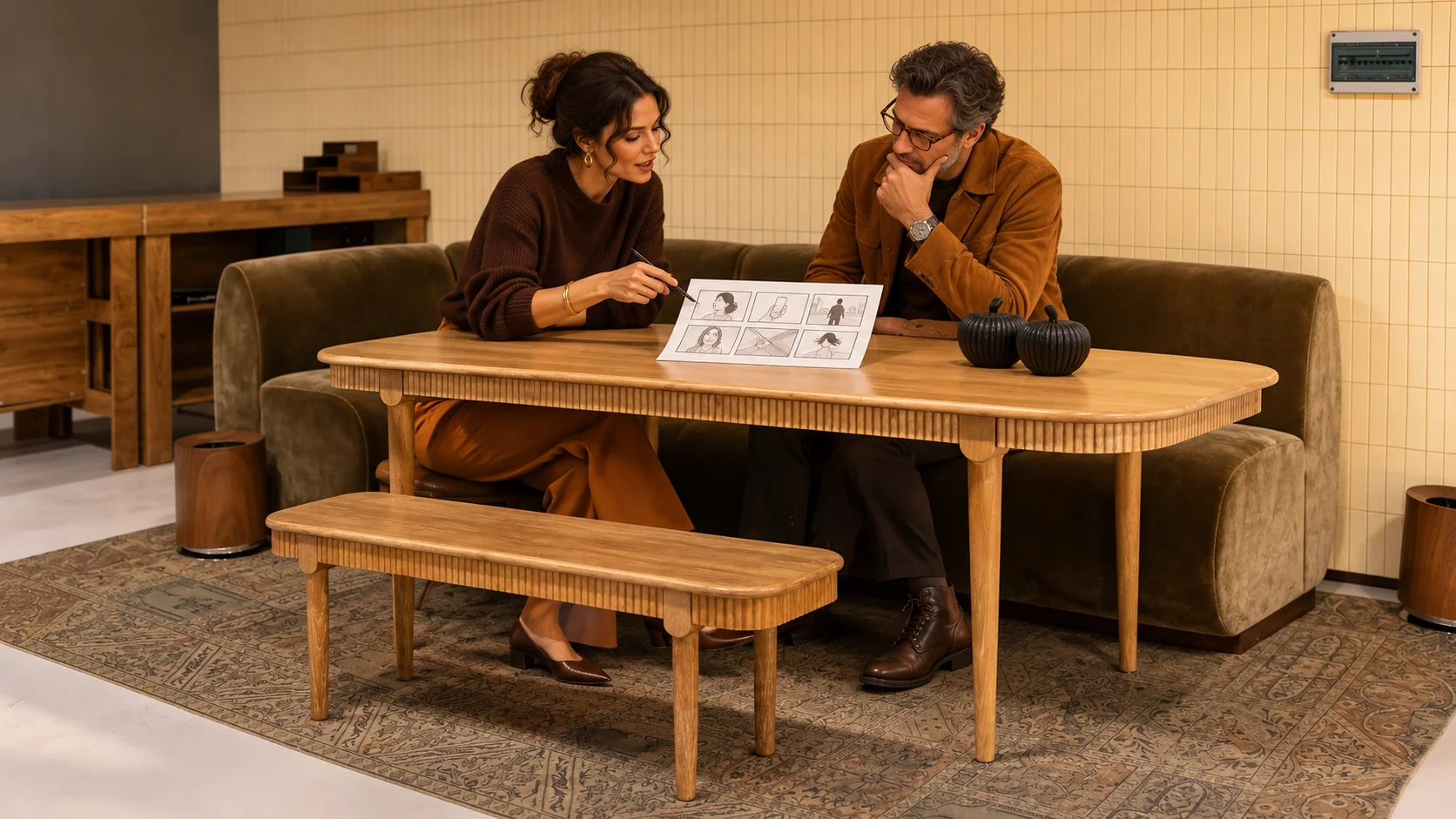
Your opening becomes easier to judge when the brief names the customer question that the advertisement will answer, such as how an item works. Decide what evidence belongs on screen. If the claim concerns a physical action, film the action itself, with the relevant conditions visible. Support the spoken promise with the footage that follows.
For a proposed travel-case advertisement, the creative team could compare an opening showing the packed interior with another showing the case passing through a doorway. The interior shot addresses packing. Movement through the doorway addresses handling, provided the scene depicts the actual product’s operation. Choose the opening according to the approved campaign message, then preserve that message throughout the demonstration.
Someone encountering your business for the first time needs enough context to identify the advertised offer, particularly when the opening uses a close detail shot. Pair that detail with a product name or a useful view of the complete item. For an audience already familiar with the product, a new feature may deserve the first image. Keep that audience assumption explicit in the treatment.
Put the Brand Inside the Action
Early brand identification deserves a camera decision when the product’s packaging appears within the opening, since a visible label may become unreadable at phone size. Test the actual sample in the proposed composition. If glare obscures the name, revise the lighting or camera position during rehearsal. The final image needs to retain the approved packaging artwork.
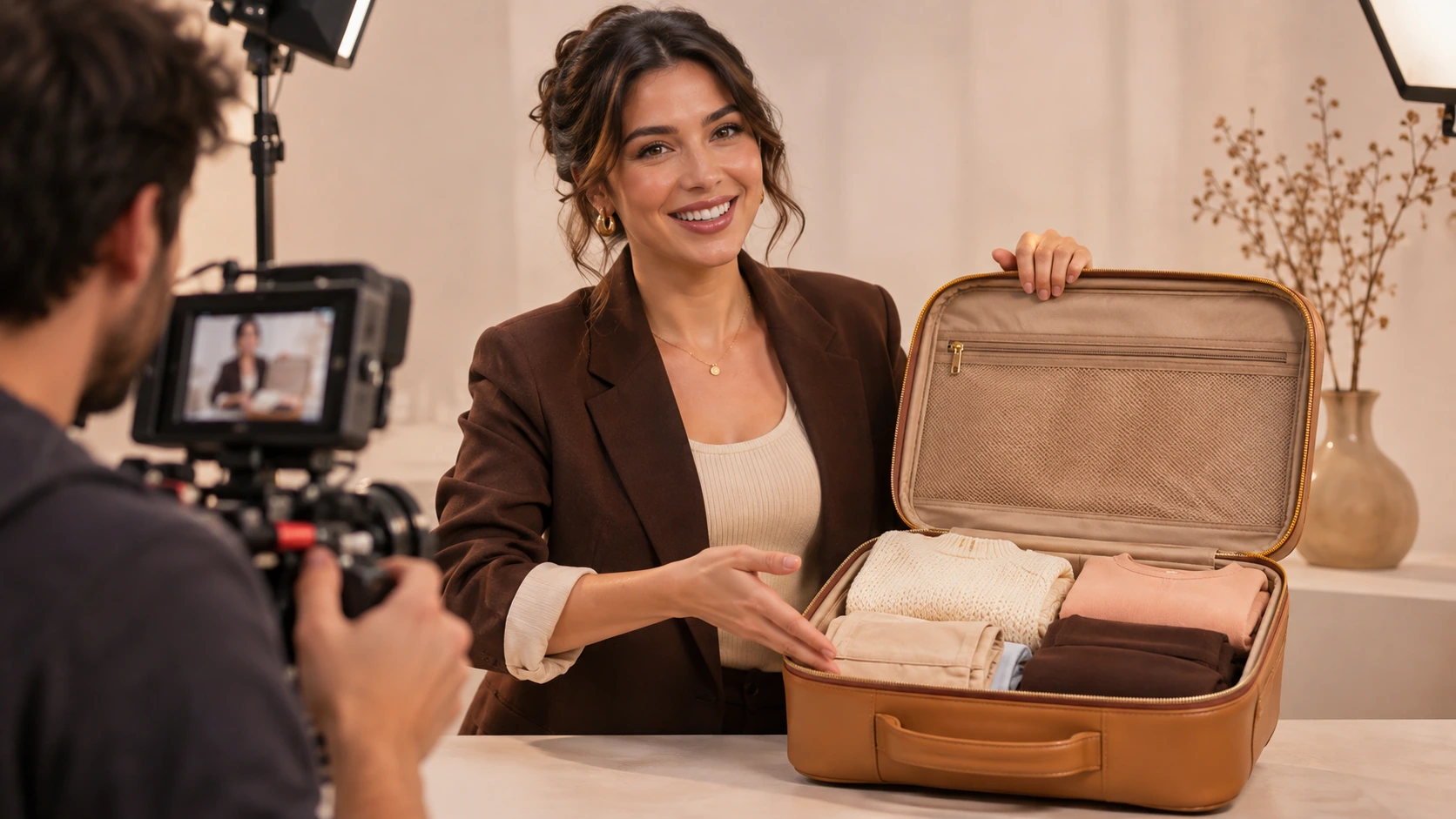
For a presenter-led opening, name the product while showing its relevant use, with the first sentence written for the intended audience. Rehearse the complete line at a natural pace. When the wording requires hurried delivery, shorten the claim to its essential meaning and place the supporting explanation later in the film. Retain any qualification that changes the promise.
For a premium brand, the opening may use a deliberate product movement and a restrained spoken line that fits the established campaign tone. Assess the actual performance against the brand brief. Sudden movement deserves a reason connected to the product or story; a decorative interruption creates additional material for the viewer to interpret.
Rehearse the Opening at Its Actual Viewing Size
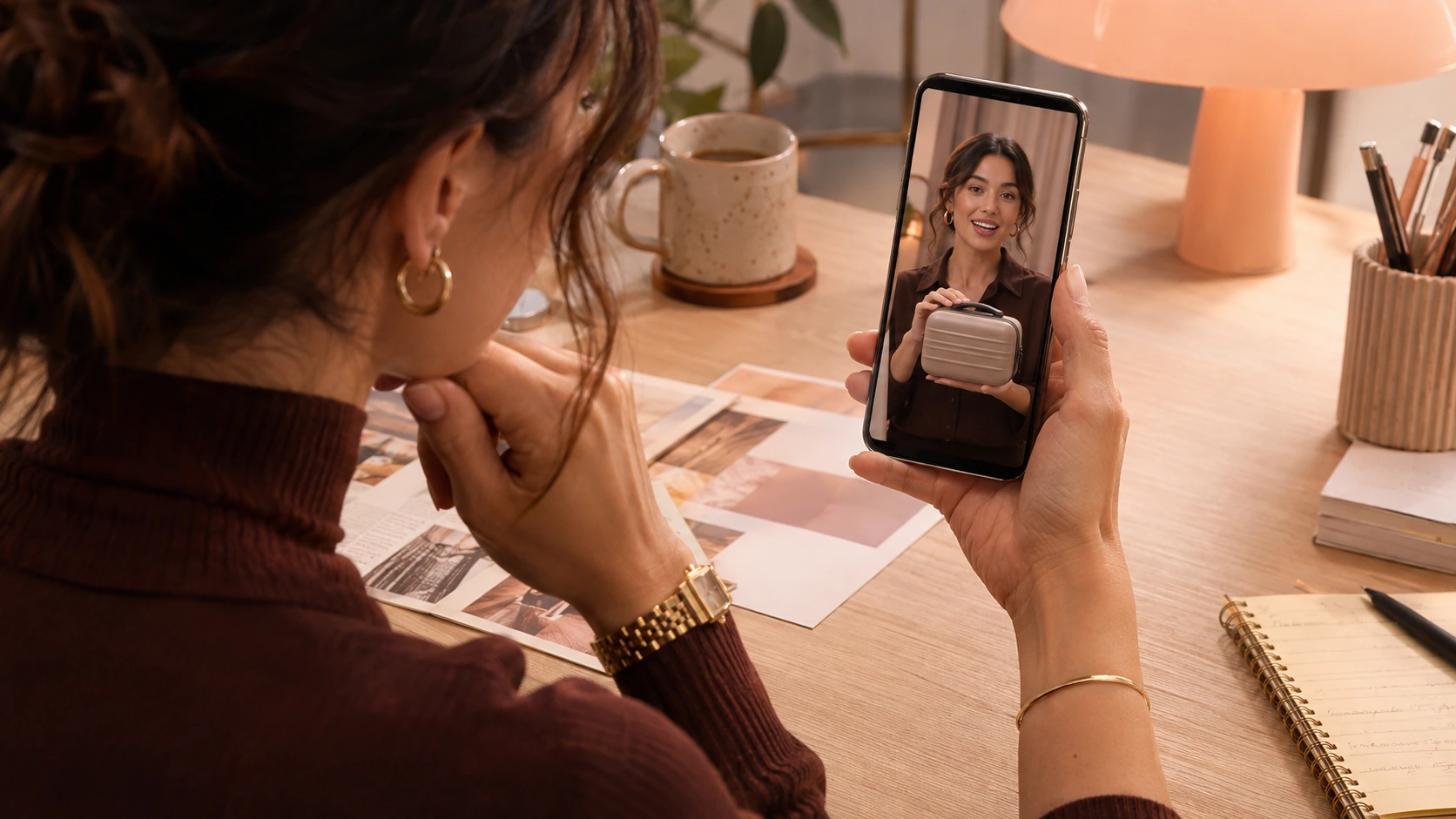
In the camera rehearsal, review the complete opening on a phone-sized display with the intended lettering in place, especially when the product occupies a small area. The director needs to see what remains legible as the action proceeds. If the presenter’s hand covers an important detail, change the blocking and record another test. Watch the recorded movement to check how the detail appears throughout the action.
The multi-format production article explains how separate compositions preserve product action in portrait and wider edits, which becomes particularly relevant when an opening depends on a gesture. For this scene, identify the moment that communicates the claim. The narrow version needs its own review if cropping removes part of that action. Reserve filming time for a separate take when the original composition leaves essential information outside the image.
Review the spoken line and on-screen wording together so that both communicate the same offer during the opening. If the sound is muted, the visible action still needs sufficient context. When sound plays, speech needs to remain intelligible alongside music. For Arabic and English versions, assess the actual approved wording in each layout at normal playback speed.
Film Openings That Permit a Useful Comparison
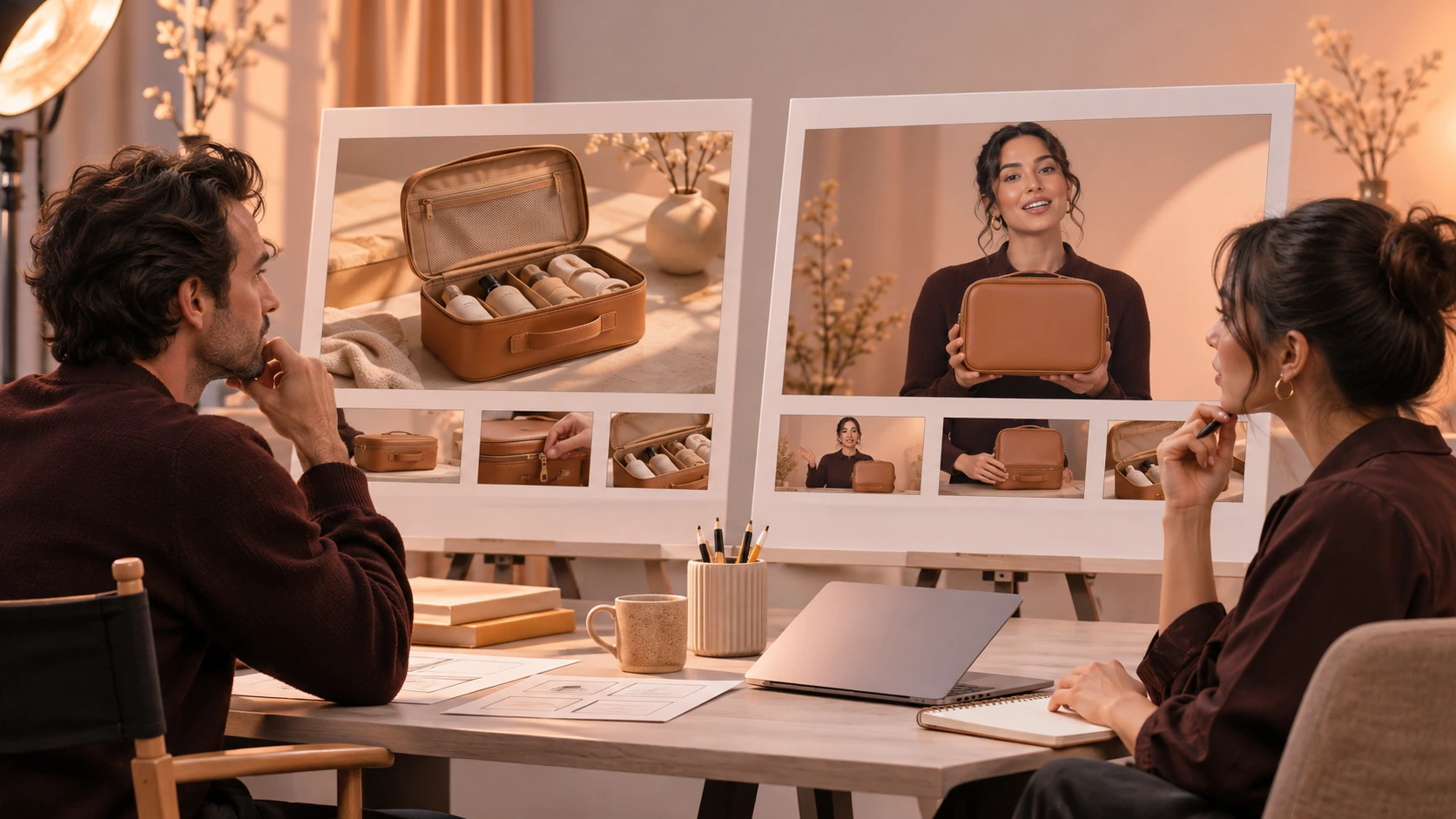
To test an opening, commission two versions that differ in a specific creative choice while retaining the same main demonstration and closing request. The director might compare a product-led beginning with a presenter-led introduction. Document the difference in the filming brief. If the production changes several elements together, describe the resulting comparison as a test between complete creative treatments.
Both opening versions need a workable transition into the next shot, particularly when the presenter finishes a sentence as the demonstration begins. Rehearse that transition against the editor’s proposed cut. Record enough material around the action for the editor to choose its entry point. If an opening changes the spoken context, record a replacement connecting line to keep the explanation coherent.
Client approval needs to cover the full film after the opening has been changed, since a revised first sentence may alter a later claim’s meaning. Watch the complete version at normal speed. If the opening promises a particular demonstration, confirm that the subsequent footage supplies it. Review the destination page separately for agreement with the advertised offer.
Read Viewing Data Against the Campaign Goal
TikTok’s video-play definitions distinguish viewing measures that require different interpretation, with its November 2025 guidance describing how the platform counts a six-second video view. For a shorter video, a full play contributes to that count. Engagement within the first six seconds qualifies too, so interpret the metric according to its stated definition.
If the campaign’s objective is purchases, assess the revised opening using evidence concerning purchases attributed to that campaign. Ask the media analyst to report the chosen outcome alongside the viewing measure. If a revised opening attracts more initial viewing, examine whether the audience continues into the product explanation and completes the intended action.
Google’s video-experiment documentation provides an official route for comparing creative assets with campaign settings held consistent, subject to the available campaign type. Select the success measure ahead of the test. The analyst needs sufficient evidence to interpret a difference, with preliminary results labeled according to their uncertainty. Keep the creative file version attached to the report so the production team reviews the advertisement that actually ran.
Prepare the Opening Brief with Someone’s Studio
Someone’s Studio’s brand-centered creative work begins with the client’s identity, so the opening brief needs to explain the impression that the advertisement should create. Attach the approved product information to the proposed scene. For a comparison of opening treatments, specify the question the campaign test will answer, and the footage both versions will share.
Use the Studio’s contact page to discuss an upcoming social video production with the intended placement and campaign purpose. Include the proposed opening scene in the brief. The production discussion can then address rehearsal requirements and the separate versions required for creative review, with the agreed scope recorded in advance of filming.