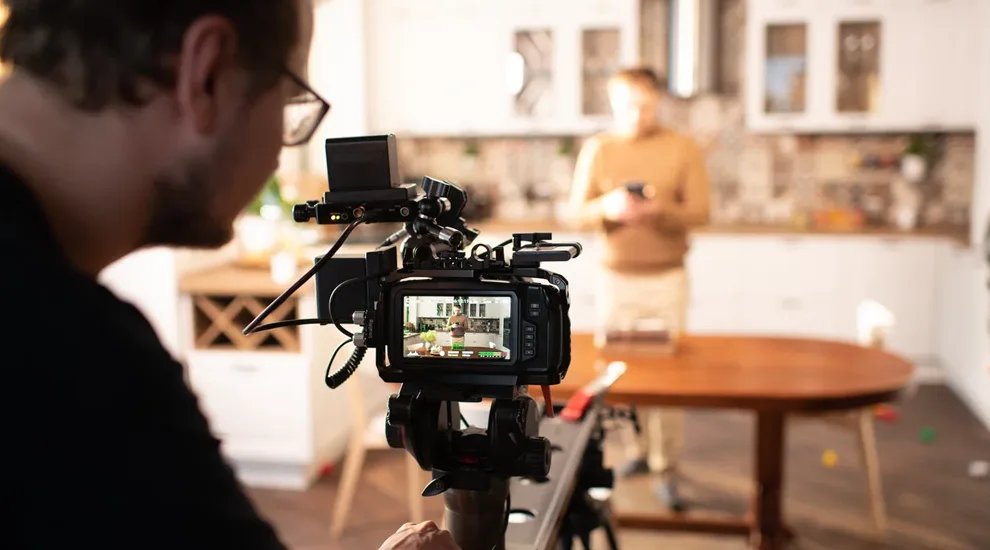

Your creative brief for video production begins with a decision the film needs to influence, expressed in language the production company can use when proposing an idea. Buyers may know the product’s name and still ask how it fits their daily work. The assignment then concerns a specific uncertainty, with a demonstration that answers it. Aesthetic preferences enter the discussion after the client has described that uncertainty and supplied evidence that it exists.
Clients often arrive with substantial knowledge scattered between a sales presentation and a colleague’s recollection, so writing the brief involves selecting what the filmmakers actually need. Someone’s Studio’s brand-led production work starts with the brand’s identity and communication needs. For a Dubai business commissioning its next film, the document should explain the assignment well enough for a creative conversation to address the film itself.
Describe the Business Decision Behind the Film
The opening paragraph can name the audience’s current behavior and the action your company wants the film to encourage, with a connection to the business objective. “Explain the product” leaves the producer to guess which explanation deserves screen time. “Help procurement teams assess whether the device fits their existing equipment” identifies a decision that a demonstration could address. The latter remains a proposed example, with the client responsible for confirming its relevance to actual buyers.
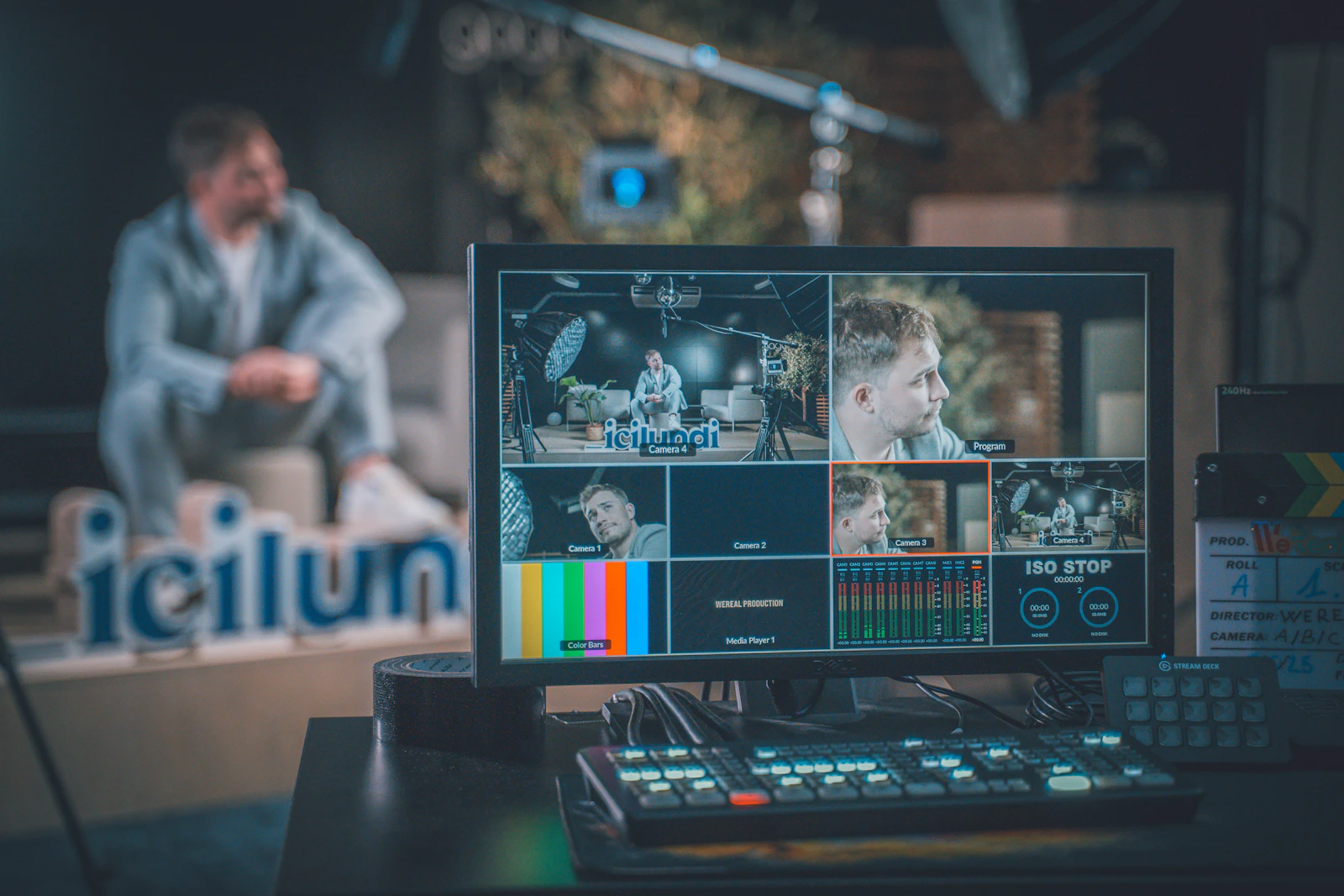
Sales colleagues who hear the same product question during demonstrations can supply the brief with a documented example of what prospective buyers find difficult to assess. Quote the question in anonymous terms and explain how often it appeared in the records examined. Customer research may support a different explanation. Any discrepancy deserves discussion with the client while the film’s central message remains open.
Write for a Recognizable Audience
Someone evaluating a first purchase may need a demonstration that an existing customer would regard as familiar, so the brief needs to describe the intended viewer’s prior knowledge. The procurement example calls for a person assessing equipment compatibility. Write the description around that buying situation, with dated evidence that the intended viewers face the same decision.
Viewers who depend on translated dialogue need an explanation that fits the edit’s available time, which makes language requirements an early production decision. Specify the required language for spoken material and captions. The translator needs the approved product terminology; the editor needs to know which versions will carry different dialogue. If the choice remains open, the producer can price alternatives against the same approved message.
Choose the Message and Supply Its Evidence
Your proposed message should identify the claim viewers are expected to retain, together with the product evidence that makes the claim defensible on screen. Broad adjectives leave the production team to interpret the request. Colleagues approving a “premium” film may have different expectations for its appearance. Material texture or a demonstrated manufacturing operation offers the director something tangible to discuss with the client.

The IPA’s 2022 client-briefing publication asks clients to settle a proposition supported by reasons to believe, with the brief grounded in the client’s objective. Apply that advice by placing the intended message beside an approved product fact. Tested specifications and design ambitions need distinct labels in the brief. If the evidence remains subject to approval, label its status in the working document so the script review addresses the exact claim.
In the creative discussion, directors may ask which visual reference the client considers closest to the intended film and what specifically deserves examination. Identify the relevant feature in the brief. If a reference shows an object against a dark background, explain whether the attraction is its visible material texture or the surrounding atmosphere. The director can then discuss how that preference relates to the actual product. Use reference films to communicate preferences and agree separate rights for any footage proposed for reuse.
Explain Where the Video Will Appear
Distribution changes the creative assignment when the same campaign needs to work within a website page and a paid video placement, so the brief should identify the intended destinations. Describe the surrounding context for the viewer. Visitors reading a product page have access to written specifications that its accompanying film can demonstrate through use. Paid placements may reach viewers who first encounter the brand through the advertisement.
Google’s video-ad creative advice connects the opening material to the brand and the campaign objective, with recommendations tailored to the desired audience response. Treat platform advice as input for the proposed placement. The client and production team still need to agree on what the viewer should do after watching. Specify the destination that the call to action will name.
For a campaign that requires several versions, an attachment can describe the duration and dimensions for each requested file in its own entry. Identify versions that require different dialogue or on-screen text. Vertical films may need a different arrangement within the frame, so the producer should know their destinations during shot planning. Platform choices that remain provisional belong among the questions for the briefing conversation.
Separate Fixed Requirements from Creative Choices
The production company needs to know which decisions already have approval and which decisions belong within its proposal, especially when a client supplies a detailed visual reference. Required product wording is a fixed input once the appropriate reviewer approves it. Camera treatment can remain open for the director to recommend. Describe the reason behind a fixed requirement so the proposal can accommodate it with purpose.

Clayton State University’s videography brief asks clients to state their objective and audience, then records project requirements alongside the intended call to action. Its institutional form illustrates how a commissioning team can document essential information in a compact format. Your own brief can keep supporting material in attachments, with the main document reserved for decisions the producer needs to interpret the assignment.
If a proposed demonstration depends on equipment at a customer’s premises, the client needs to establish who can authorize filming there and what access is available. The brief can name the person handling that discussion. Record the permitted hours once confirmed. Equipment operation may be permitted during a different period than filming it while idle.
State the Budget and the Approval Deadline
Producers proposing a treatment need to know how much funding is available for the commission and which expenses the client expects that amount to cover. Media expenditure belongs in a separate allocation. If the client is seeking options, request comparable proposals against the same required deliverables. Optional versions can appear as separately priced additions to the agreed scope.
The launch date becomes useful production information when the brief states when approved files must reach the people responsible for distribution. Allow the producer to propose a schedule for concept approval and filming. Internal review time belongs within that schedule. Someone’s Studio’s video-production timeline article discusses the stages between an initial brief and the final edit in greater detail.
Product specialists may review the demonstration’s accuracy while senior executives approve the campaign message, with their review dates recorded in the agreed production schedule. Name the person responsible for returning the client’s consolidated response. If a reviewer changes the message after concept approval, the producer needs to assess the proposed revision against the commissioned scope.
Use the First Conversation to Resolve Open Questions
Clients can use the initial briefing conversation to resolve decisions that require the producer’s advice, after circulating a draft that explains the assignment. The producer may identify a product claim that needs a demonstration the available sample can support. While the proposed treatment remains open, product specialists can confirm the available access. Record their answer beside the demonstration requirement in the revised brief.

Someone’s Studio accepts project inquiries for its Dubai creative and production work through its contact page, where clients can begin the discussion with their proposed assignment. Send the brief with the intended delivery date and the available budget. The proposal can identify which parts require commissioned creative work alongside the requested production services.