Producing a video can take a few days or several weeks. The difference usually comes down to the project itself and how much preparation it needs. Understanding the video production timeline in Dubai helps brands plan their campaigns and coordinate everyone involved in the production. Someone’s Studio works with businesses that need commercial films and corporate videos. Product content and digital campaigns bring their own production requirements, too. A realistic timeline helps the marketing team plan the launch and gives the production crew enough time to deliver work everyone feels good about.
People often think filming takes up most of the schedule. In reality, the camera may be active for only one or two days during a project that takes several weeks to complete. Concept development and planning can require considerable time. Editing and client approvals can take even longer. Knowing how the process works makes scheduling much easier for everyone.
How Much Time Should You Allow for Video Production in Dubai?
Production timelines vary according to the video's length and creative requirements. A simple executive interview may take a few days from initial planning to final delivery. A corporate video with several interviews and locations may need two to four weeks. Larger advertising campaigns can require six weeks or longer when casting and elaborate production arrangements are factored in.
Consider those periods as planning examples. The actual schedule should come from the approved brief and confirmed production requirements.
Professional video production Dubai projects usually involve three main phases: pre-production, filming, and post-production. Pre-production covers the creative decisions and practical arrangements. Filming produces the footage. Post-production brings the material together through editing and finishing.
The amount of time assigned to each phase varies by project. A product video with detailed motion graphics may take several days to produce and much longer to post-produce. An interview-led corporate film may need a longer filming schedule because several executives have to appear on camera.
What Happens After You Share the Initial Brief?
The first conversation helps the production team understand what your business wants to achieve. Someone’s Studio begins by reviewing the project goal and intended audience. Distribution channels and creative preferences are part of the discussion.
Your video production brief should explain where the finished video will appear and what viewers should understand after watching it. A website introduction has different requirements from a paid advertising campaign. Corporate communication may require a longer format, whereas social media content often benefits from shorter edits.
The team can then discuss the creative approach and production scope. A simple interview may require relatively little concept development. A branded commercial could involve a script and several visual references.
Budget enters the conversation during this phase, too. Knowing the available budget helps the production team recommend a realistic approach and prepare an accurate schedule.
How Long Do the Concept, Script, and Approvals Take?
Creative concept development can move quickly when the brand already has a clear idea. Projects requiring several creative proposals naturally need more discussion.
Video scriptwriting may begin with a short message outline or a complete narrative script. Corporate interviews often use prepared questions and discussion topics. Advertising films may need detailed dialogue and visual descriptions.
Storyboard development helps everyone understand what the camera will record. A storyboard can be particularly useful when the film includes complex movement or several locations. A shot list then gives the production crew a practical reference for filming.
Brand approvals can affect the schedule considerably. Marketing teams may need feedback from senior management or legal departments. Product information may require technical review.
Someone’s Studio recommends agreeing early in the process on who will approve creative material. A clear approval path helps the project move forward and keeps feedback connected to the original brief.

What Needs to Be Ready Ahead of Filming?
Pre-production planning covers the practical arrangements that allow the crew to work efficiently on shoot day.
Locations need confirmation. Talent availability needs agreement. Wardrobe and props should follow the approved concept. The production crew needs the final shooting schedule and equipment requirements.
A studio video shoot usually offers predictable lighting and sound conditions. On-location video shoots may require additional preparation regarding access and available power. Certain Dubai locations and commercial filming activities may require permits or property approvals. The production team should establish the applicable requirements during location planning.
Products also need preparation when they appear in the film. Packaging should match the approved artwork. Electronic products should be ready for demonstrations. Spare samples can help when the shoot includes fragile items.
The filming schedule in Dubai should account for equipment setup and talent preparation. Client reviews and breaks deserve time as well.
How Many Shoot Days Will Your Video Need?
The number of filming days depends on how much content the crew needs to produce.
A straightforward interview or product demonstration may fit into one day. Corporate videos with several locations can require two or three days. Commercial campaigns involving larger sets and more extensive casting may need a longer schedule.
Camera setups influence filming time. Changing lighting between scenes takes preparation. Moving equipment between locations also affects the schedule.
Talent availability can influence the order of filming. Executive interviews often need to fit existing business calendars. Commercial shoots may involve actors whose availability affects the production dates.
Someone’s Studio plans filming according to the approved shot list and project requirements. The aim is to give the crew enough time to complete the planned material while keeping the production schedule realistic.
What Happens to the Footage After the Shoot?
Post-production begins once the production team has organized the recorded material.
Editors review the footage and identify suitable takes. Dialogue and supporting images are then arranged according to the script or approved creative direction.
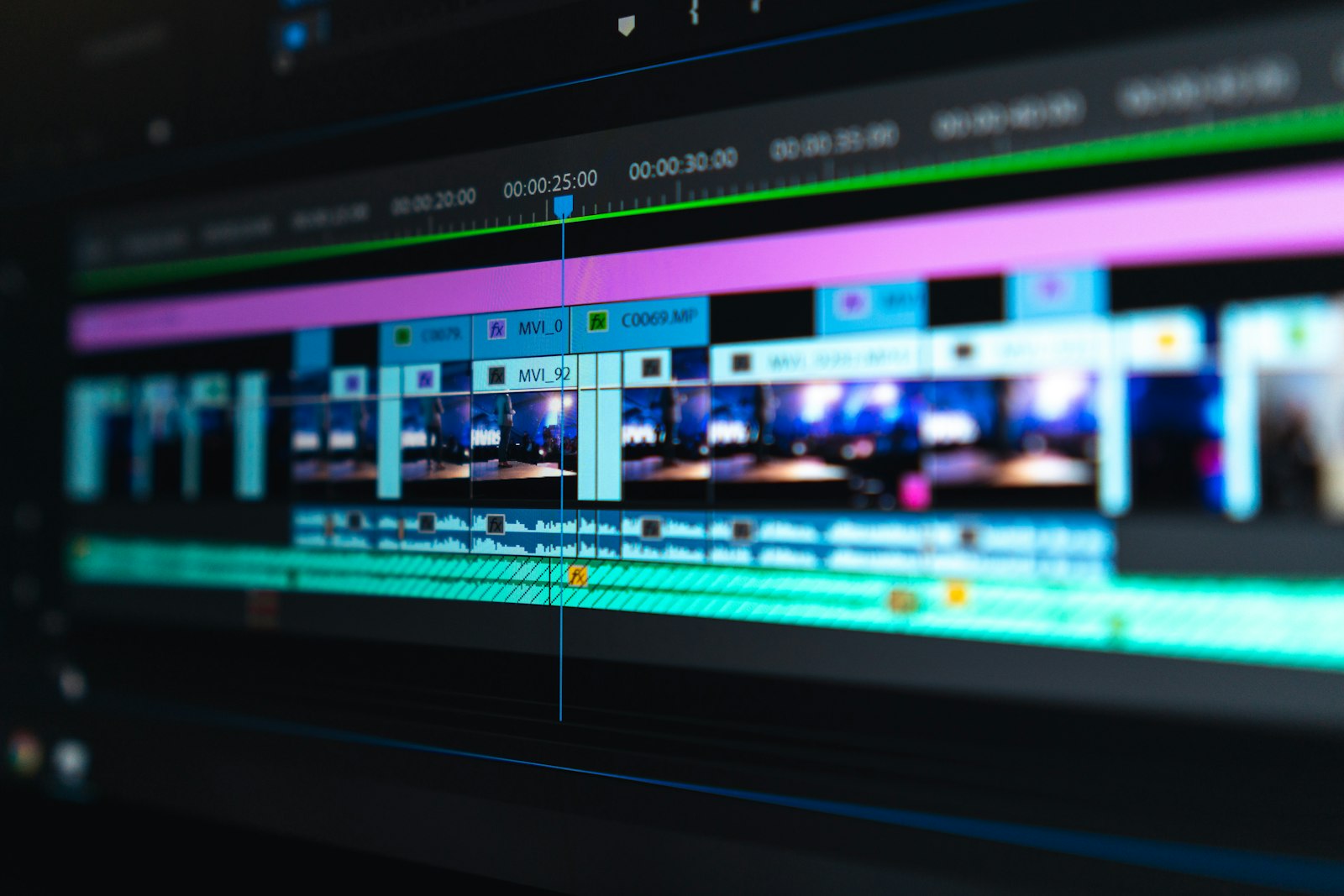
The video editing process usually starts with a rough assembly. The editor works on the narrative and overall pace. Music may enter the edit during this phase. Graphics and titles can follow once the main structure receives approval.
Video post-production projects in Dubai can involve several specialists, depending on their complexity. Motion graphics and visual effects may require additional production time. Voice recording and sound design can also become part of the finishing process.
The scope of post-production often has a major influence on final delivery dates. A straightforward corporate interview requires less editing work than a luxury product film with extensive visual effects.
When Will You See the First Cut?
The first cut is the initial edited version prepared for client review.
Its delivery date depends on the amount of footage and editing complexity. A simple interview might reach the first review within a few working days after filming. A larger corporate project may take one or two weeks. Complex commercial films can require additional editing time.
A first cut review gives the client an opportunity to assess the story and overall direction. The marketing team can assess whether the message is appropriate for the audience and the campaign.
Someone’s Studio uses client feedback to guide the next editing phase. Clear comments help the editor understand which sections need changes and which creative decisions have already received approval.
The first cut is an important part of the production process because it gives everyone a shared version of the film to discuss.
How Do Feedback and Revisions Affect the Deadline?
Revision rounds can have a considerable impact on the video project timeline.
Small editing requests may involve changes to titles or shot selection. Larger revisions can affect the narrative structure and require additional editing work.
Client feedback works best when everyone reviews the same version and provides comments through an agreed contact person. The editor can then address the requested changes in a coordinated way.
Someone’s Studio encourages brands to discuss revision rounds during project planning. The production agreement should identify the included review stages and explain how additional requests will be handled.
Brand teams can help the process by collecting feedback from everyone responsible for approvals. Consolidated comments give the editor a clearer direction and help maintain the agreed delivery schedule.
What Can Change the Production Timeline?
Production schedules can change when creative requirements or practical circumstances develop during the project.
Additional locations may require another filming day. Script changes can affect casting and set preparation. Product availability may influence when the crew can begin filming.
The weather deserves attention during outdoor shoots in Dubai. Extreme heat and occasional rain can affect working conditions. Location access and permit approvals may also influence the schedule.
Changes during post-production can affect delivery. Additional graphics or new language versions require further work. A client may request extra edits for advertising platforms after reviewing the main film.
Discussing possible changes during pre-production helps the team prepare appropriate alternatives. Realistic scheduling gives everyone space to handle unexpected production needs.
How Can You Get Your Video Ready for a Fixed Launch Date?
Fixed launch dates require planning backward from the delivery deadline.
Start with the date when the final video needs approval. Allow time for exports and technical checks. Set aside a review period for the final edit and an earlier review period for the first cut.
The filming dates should then leave enough time for editing and finishing. Concept approval and production preparation need their own deadlines.
A video marketing campaign may require several final versions. Website videos and social media edits can have different technical requirements. Subtitles and language versions can create extra post-production work.
Someone’s Studio recommends sharing the launch date during the initial briefing. The production team can then assess the available schedule and plan the project around the required delivery.
Early decisions help considerably when the deadline is fixed. Approved scripts and confirmed locations give the crew a dependable production plan. Fast client feedback helps the editing team maintain momentum.
Planning Your Video Production Timeline with Someone’s Studio
Someone’s Studio approaches video production in Dubai with the understanding that brands have real campaign calendars and business deadlines. Marketing teams may need a corporate film for an upcoming event or product videos for a new collection. Advertising campaigns can require several final versions for different channels.
The process begins with a conversation about the project and the date by which the finished content will be needed. Creative planning follows the business requirements. The production team can then prepare a filming schedule and discuss the expected editing timeline.
Corporate video production timelines often depend on interview availability and location planning. Brand video production timelines may require greater preparation around creative concepts and visual production. Someone’s Studio considers those differences when discussing the production plan.
Good scheduling gives the project enough time for thoughtful, creative decisions and practical preparation. It helps clients understand what happens during production and when their input will be needed.
Brands can contact Someone’s Studio with their video brief and preferred launch date. The team can discuss the creative requirements and prepare a production plan that fits the project's scope.
A well-planned video project makes the collaboration easier for everyone involved. The marketing team knows when to expect the first cut. The production crew understands the schedule. The editor has time to finish the work properly. Most valuable of all, the final video arrives ready for the campaign it was created to support.