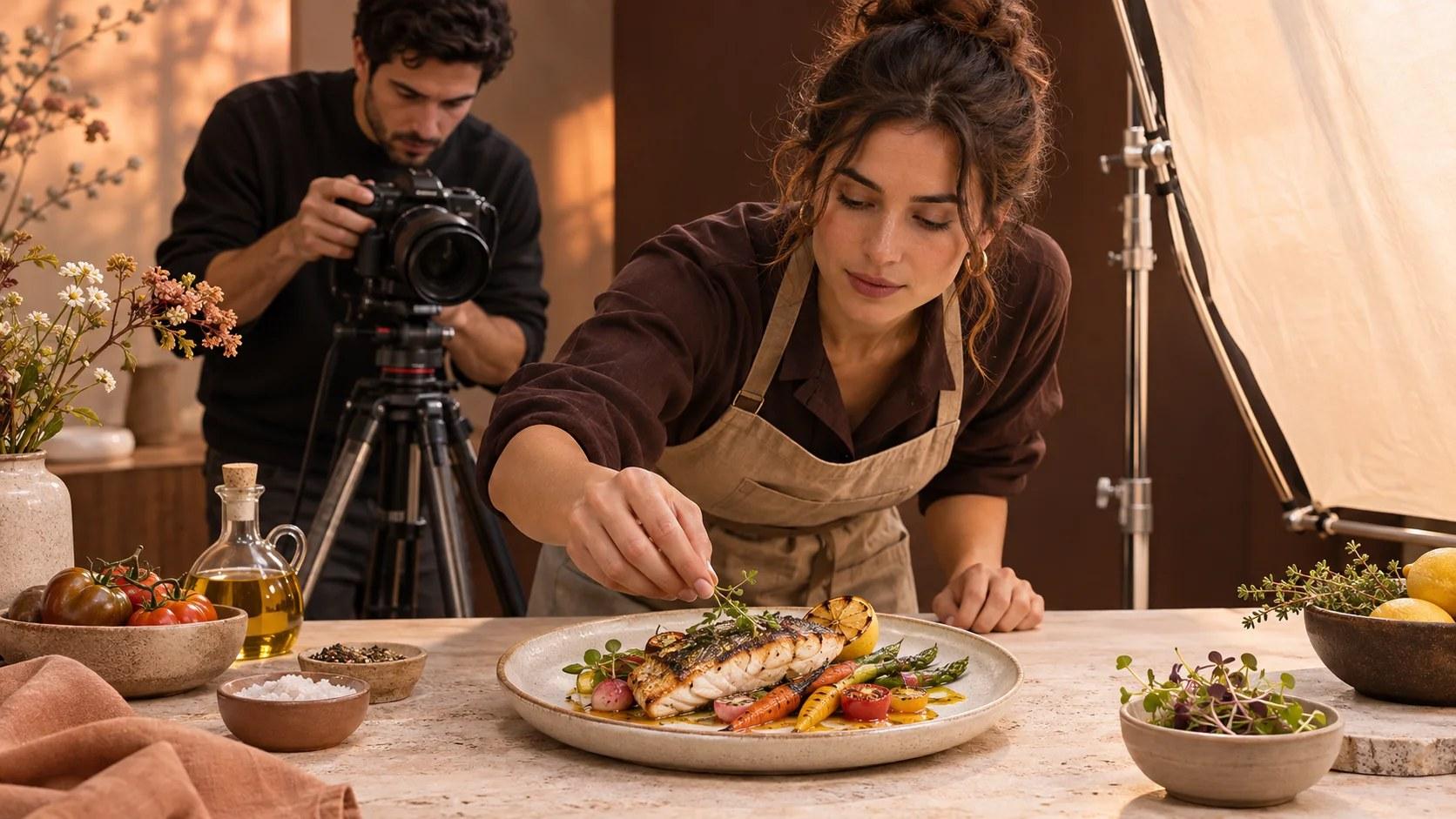
Food and beverage commercial photography in Dubai starts with the dish customers will recognize and the appetite a brand wants its campaign to create. To suggest a crisp bite, retain enough visible texture along the crust. Inside a cut pastry, the filling needs to look like the recipe customers receive. Agree on that food-specific description during the creative discussion, then arrange production around the moment when the food looks ready to eat.
Someone's Studio's brand-centered creative work connects photographic choices to the client's identity, so a food campaign deserves a conversation concerning the brand's character alongside its menu. For a bakery, flour on a work surface might support a story concerning preparation. If the campaign concerns a finished celebration cake, its decoration deserves the photograph's attention. Props need a reason to appear beside the food.
Decide What the Audience Needs to Taste with Their Eyes
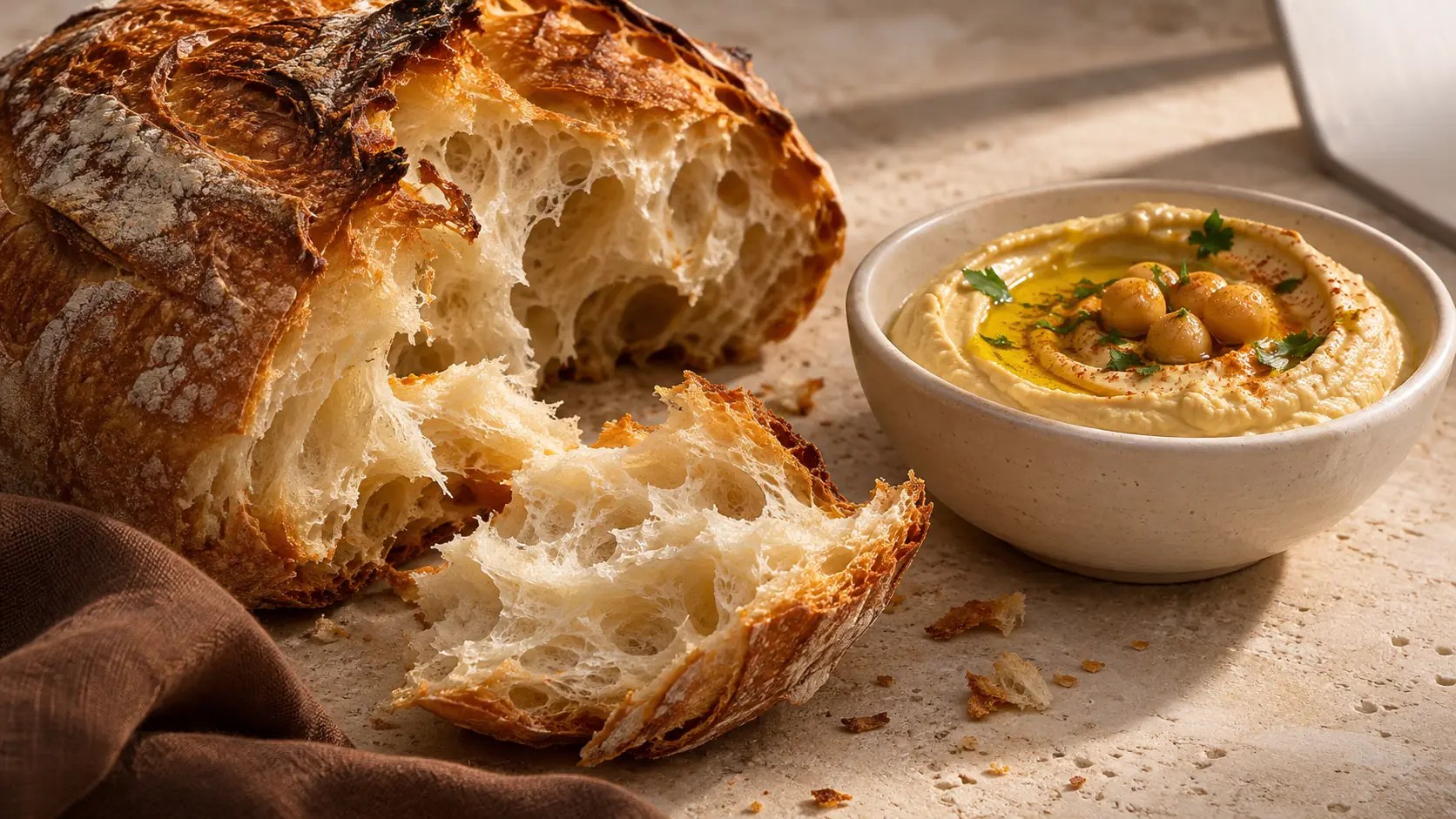
The creative brief needs an edible description that a photographer can evaluate on set, such as the browned edge on a flatbread or the visible citrus pulp in a drink. Describe the feature in relation to the actual recipe. Words such as appetizing provide a starting point; the browned edge explains what the picture must show. Select reference images for the treatment review that show how another photographer approached that feature.
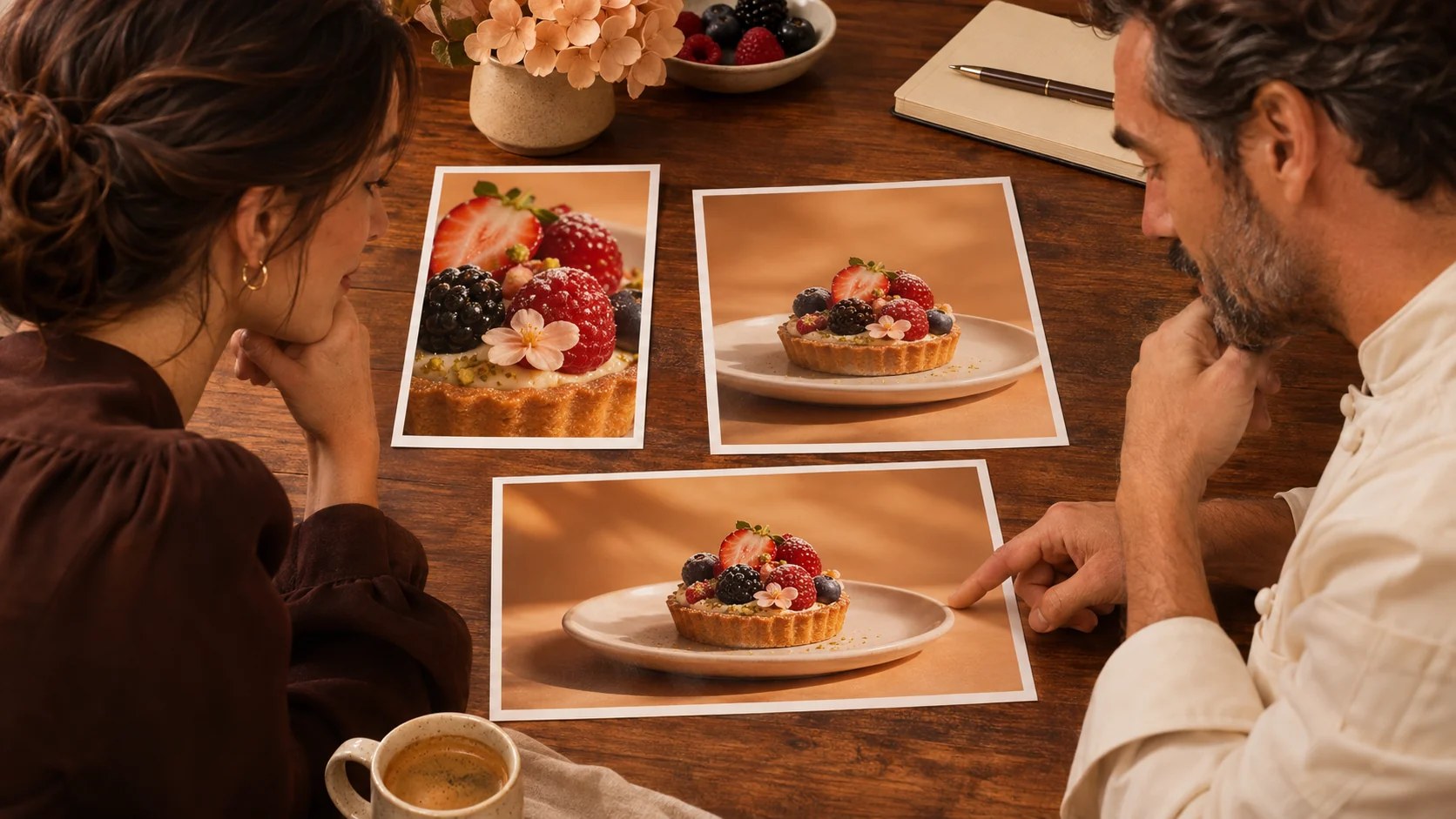
For a restaurant campaign centered on a filled pastry, a cut section offers useful evidence when the exterior conceals the ingredient the advertisement names. Place the cut where the filling remains readable at the proposed image size. Once the chef approves the portion, photograph the intact pastry beside its cut counterpart. The picture then explains the product's appearance through a composition grounded in the actual dish.
Put Food Preparation on the Production Schedule
Food preparation needs its own place in the shoot schedule, particularly when a dish's photographed appearance changes within the time required to approve a composition. Adobe's food-photography guidance discusses the rapid visual changes in frozen food and iced drinks. Test the camera position with a preparation sample, then introduce a fresh portion when the crew is ready. Another portion may be needed after client review, so the ingredient order needs an allowance for repeat preparation.
The chef or food specialist needs to know which photograph follows the current setup so that the next dish reaches the camera in its intended condition. Agree on a cue for final preparation during the production discussion. Sauces added at the last moment need someone available beside the set. If the camera angle changes substantially, allow the kitchen to prepare the next portion around that revised view.
Production location affects the distance between preparation and photography, so discuss cooking requirements with the team when choosing the environment for the campaign. Someone's Studio's current facilities information describes compact utility and preparation points. Confirm the actual cooking arrangements for the proposed shoot. Where a dish requires a restaurant's working kitchen, assess photography at that location alongside a studio-based treatment for the finished product.
Choose the Camera Angle around the Dish
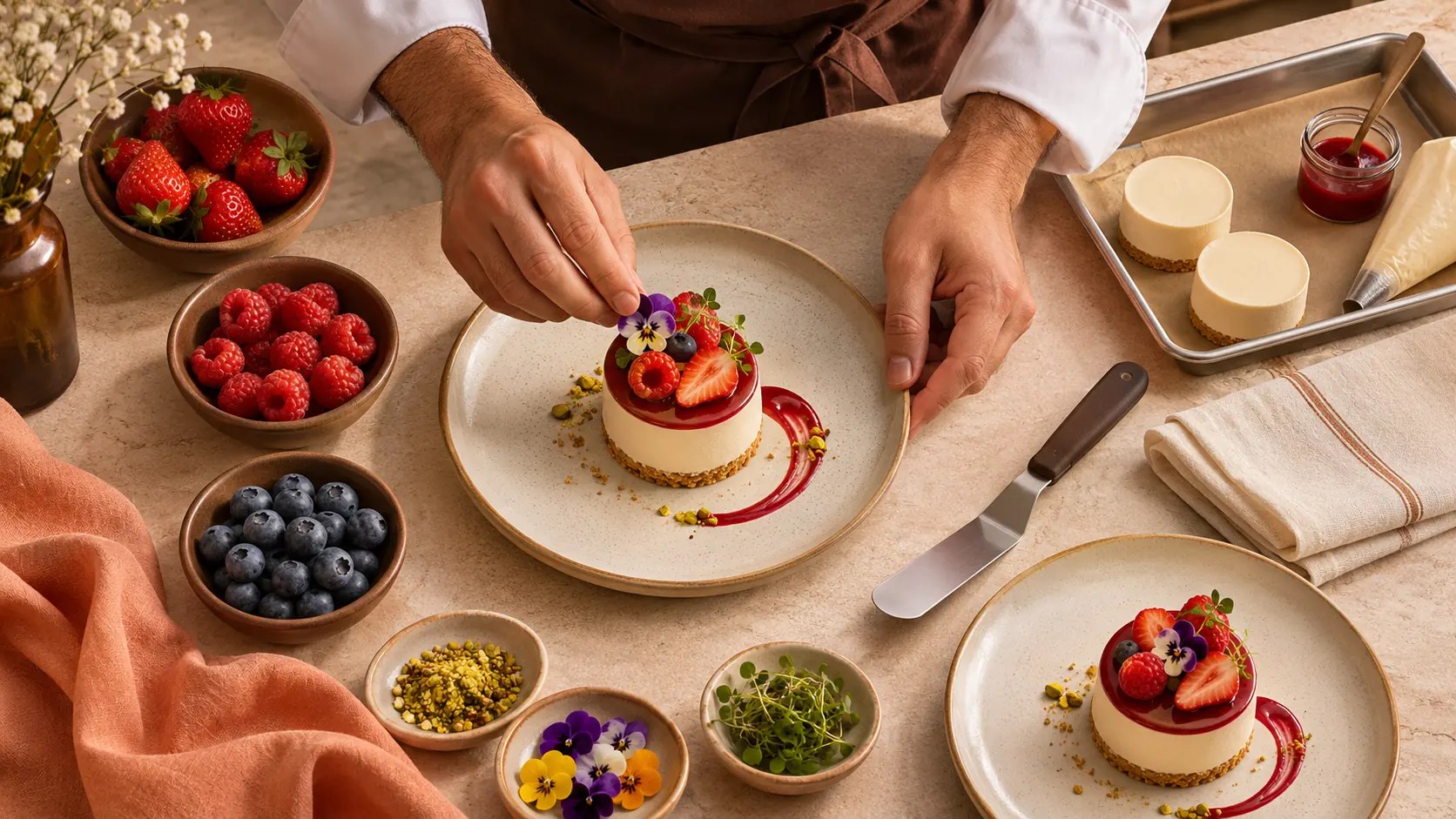
The camera's height needs to explain the food's construction, especially when the photograph must show something customers would otherwise discover after their first bite. Nikon's food-photography angle guidance describes the different views available from a raised side position and directly overhead. For a layered cake, test a lower view with the cut face visible. The overhead view suits a decorated surface when the decoration carries the campaign message.
Plate selection affects the apparent portion and the space surrounding it, so review the food on the proposed plate during the camera test. Use the restaurant's actual plate where the image describes a menu item. If the campaign uses a different vessel, agree how the change affects the meal customers expect. Keep the camera's perspective consistent when the client needs to compare alternative compositions featuring the same portion.
Shape Light for Food Texture
Light arriving from one side creates visible shadows across the food, which a photographer can adjust while judging the dish's apparent volume. In Nikon's directional-light advice, a white card redirects light toward the food's shaded side to reduce a heavy shadow. Compare the shadowed side with the actual food. Dark crust still needs enough visible detail for the viewer to read its baked surface.
For a glazed dessert, the bright reflection deserves a deliberate position that shows the coating while retaining the decoration the chef has prepared. Move the light during the test and watch the reflection travel over the glaze. If the bright area covers a small garnish, revise its position in relation to the camera. Review the food itself at the intended display size, where tiny decorative elements may become difficult to distinguish.
Prepare Beverage Images around the Glass
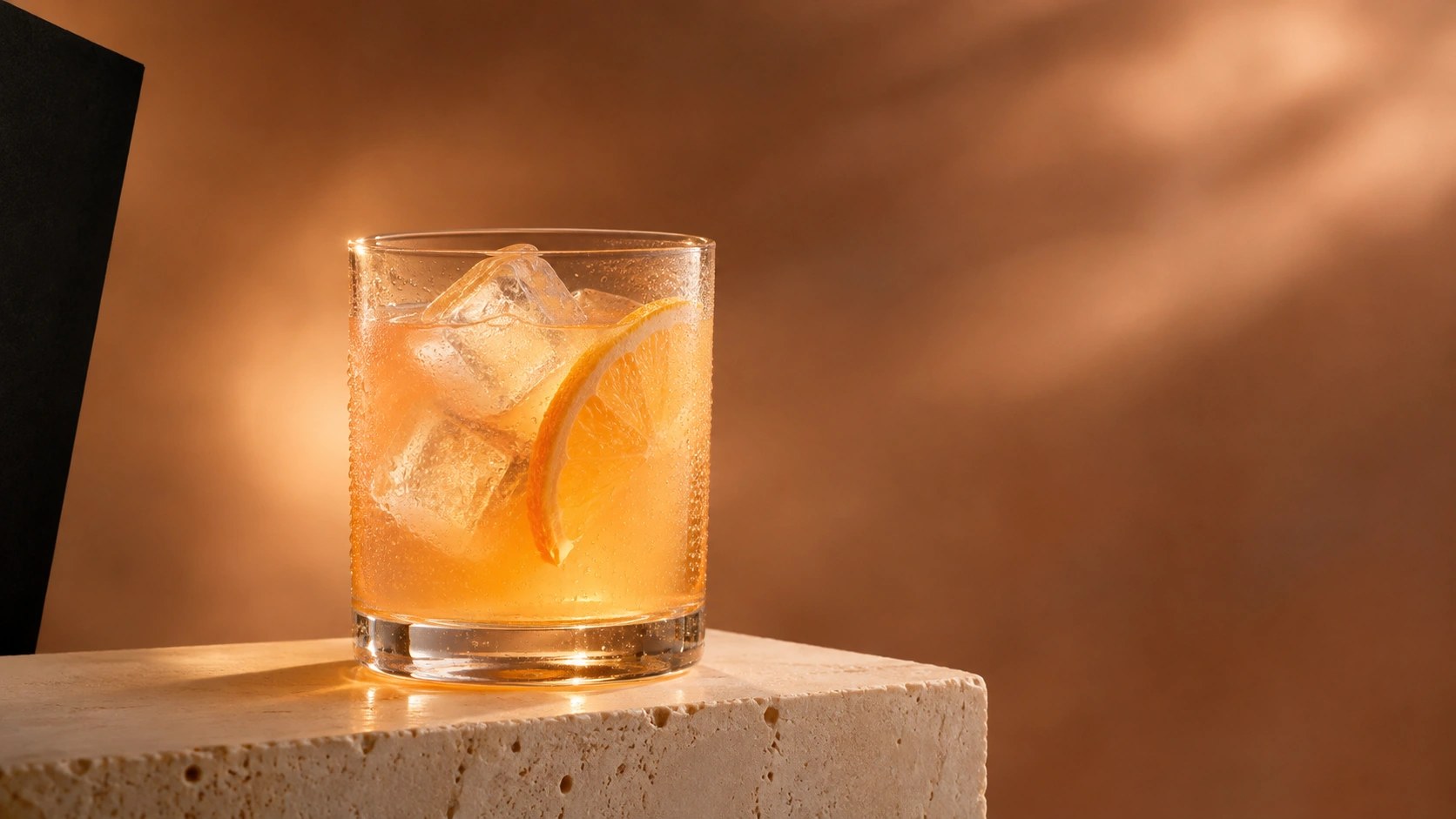
Drinks need a presentation decision that accounts for the liquid's appearance and the vessel customers associate with the brand's recipe or product. For transparent drinks, Nikon's directional-light guidance recommends a test with light behind the subject. Keep the liquid's visible color available for client review. Opaque beverages need their own lighting test so the image describes the surface the customer will see.
Photograph the Finished Drink
Ice and condensation affect the photographed glass throughout a session, so schedule the finished-drink image around the condition approved during the preparation test. Keep the agreed fill level visible in the reference photograph. When a fresh glass replaces the original, compare its proportions with that reference. For bottled drinks, position the product name so it remains readable beside the prepared glass in the final crop.
Plan the Pour as a Separate Photograph
Pour photographs need time for repeated attempts and a fresh receiving vessel when the brief calls for a particular liquid shape above the glass. Profoto's food-action demonstration uses short flash duration to freeze a splash. Ask the photographer to test the proposed movement with the actual beverage. Once a test image is available, the client compares the liquid's shape with the glass's fill level to assess the photographed moment.
Keep the Menu Promise in the Picture
The client needs to approve visible ingredients against the actual recipe when a commercial photograph will appear beside a dish name or an order button. Garnishes placed around a plate can suggest ingredients that belong to the meal. Ask the chef to review that implication during the food test. If an ingredient appears solely as a prop, revise the composition so the photograph communicates the intended product.
Portion size deserves a deliberate review when a close camera angle makes a small plate appear substantial within an advertisement or menu layout. Compare the photographed portion with the kitchen's agreed preparation. Where the meal has an optional side, the accompanying copy needs to describe its relationship with the photographed food. Ask the person responsible for the menu to approve the relationship between the photographed food and the order customers place.
The retouching brief needs to separate an incidental splash on the table from a physical feature that explains the food's actual preparation or composition. Remove a stray spill when the cleaner surface suits the approved treatment. If an edit changes the amount of filling visible inside a pastry, return the photograph to the food reviewer. Keep the accepted portion's appearance in the final image.
Check the Food inside the Campaign Layout
The designer needs an image with sufficient space for the actual campaign copy, particularly when a narrow placement leaves limited width beside the plate. Test the proposed crop using the draft advertisement during production. Once the headline occupies its intended position, check that the named ingredient remains visible. Plan an additional composition when a wide web image and a vertical advertisement require different food placement.
For campaigns that include a pour film alongside still photographs, Someone's Studio's photography and video article discusses the separate requirements involved in coordinating both media. Allocate fresh drinks for the photographic work after filming. The final still needs its own approved liquid shape, with the glass prepared for the exact moment the camera records.
Discuss the Food Campaign with Someone's Studio
Brands preparing food photography in Dubai can start the production discussion with the actual menu item and the campaign placement where customers will encounter it. Include a reference that explains the desired food texture. If the recipe needs preparation at a restaurant, describe that requirement alongside the proposed shoot date. Someone's Studio can review the creative direction and discuss suitable production support for the commission.
Share the proposed food and beverage campaign through Someone's Studio's project contact page, with the intended release date included in the production inquiry. The booking team can review the preparation requirements and discuss a quotation for the proposed scope.