Episode six arrives with a new guest and a familiar problem: the desk has moved, the host looks different on camera, and the editor needs another reference image. Weekly production exposes small decisions which a single recording can leave unresolved. Your series needs a repeatable filming plan and an interesting subject. The useful question for YouTube studio rental in Dubai is how the production will work across successive episodes.
Someone’s Studio approaches recurring programs through brand identity and creative production. Your show can develop its own set arrangement, subject to the agreed production brief. The preparation connects the program’s visual character with its recording requirements. You can discuss studio access for your own team, or request creative and production support for the series.
Start With the Reason Viewers Will Return
Your weekly promise should be specific enough to help a producer choose the next episode and help a viewer decide to watch it. Perhaps the program answers one business question through a guest interview. Perhaps a presenter explains a skill through a demonstration. The recurring idea establishes a recognizable purpose for the series even as its subjects change.
Write that promise in one sentence, then sketch several episode ideas which genuinely fit it. Repeated questions suggest opportunities to deepen the subject. Guests with unrelated specialties may suggest a broader program than the audience originally expected. The pilot should test the promise through an actual conversation or demonstration.
YouTube’s upload schedule guidance recommends a sustainable release cadence and asks creators to consider production time alongside cost. Weekly publication becomes a useful target when your team can maintain the entire process. Guest preparation and editing both belong in the calendar. The recording date is one of the deadlines within that larger plan.
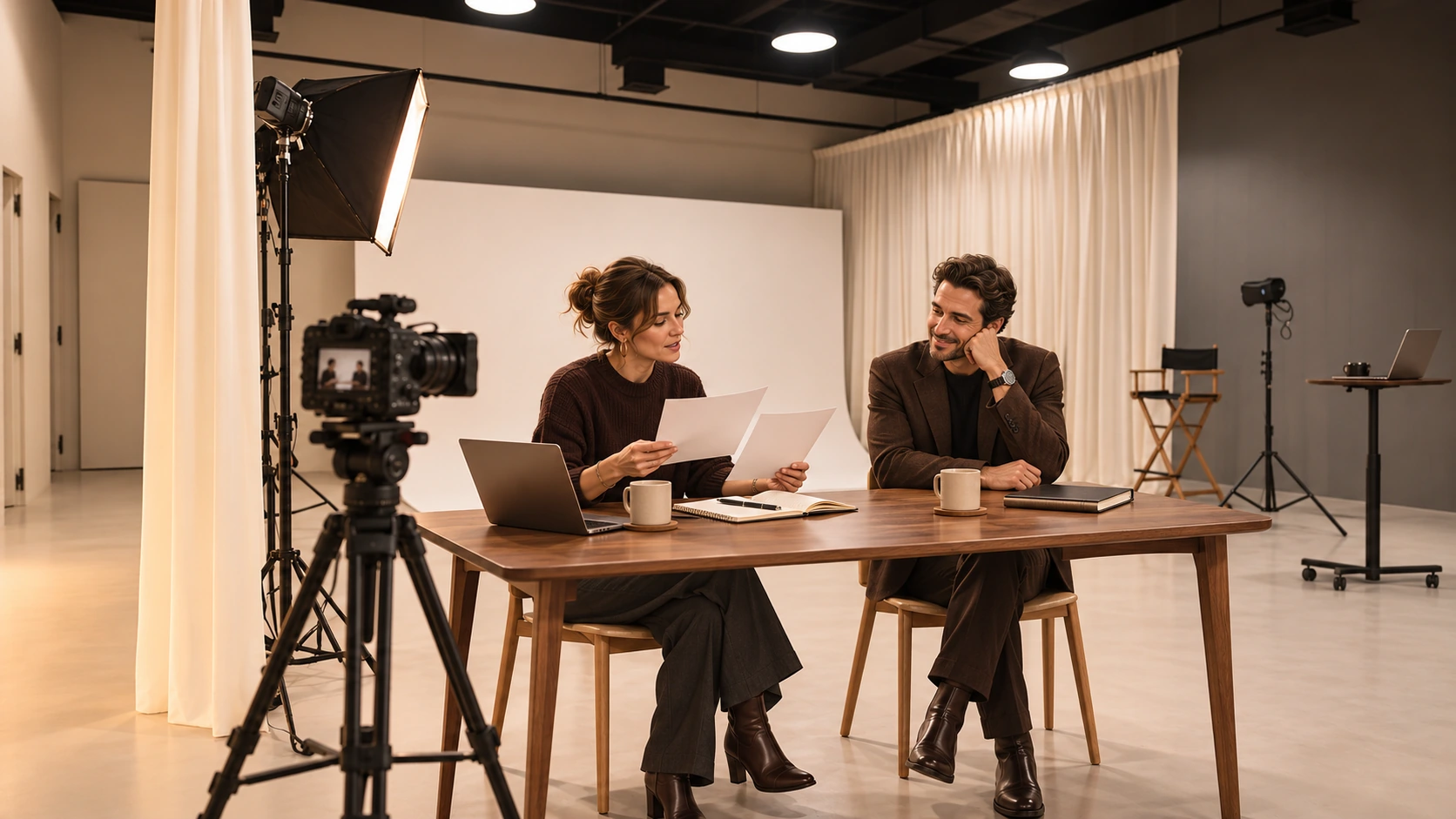
Agree the Episode Format During Planning
Your format should describe what happens on camera in enough detail for the crew to prepare a realistic session. Interviews might begin with a direct question, then examine a specific example. Presenter-led episodes might introduce a problem and demonstrate a solution. The format can stay familiar while individual answers remain spontaneous.
Choose the expected episode length as a planning target. Rehearsal will establish how much material the host can explain at a comfortable pace. Record a sample introduction and one substantial segment. Watch the result with the editor, then discuss where the conversation needs another question or a supporting image.
Decide how short clips will relate to the full episode. Isolated answers need enough context to make sense on their own. The host can restate a question during filming when a response depends heavily on an earlier exchange. The editor can use the resulting material across the agreed formats.
Plan a Set Your Team Can Rebuild
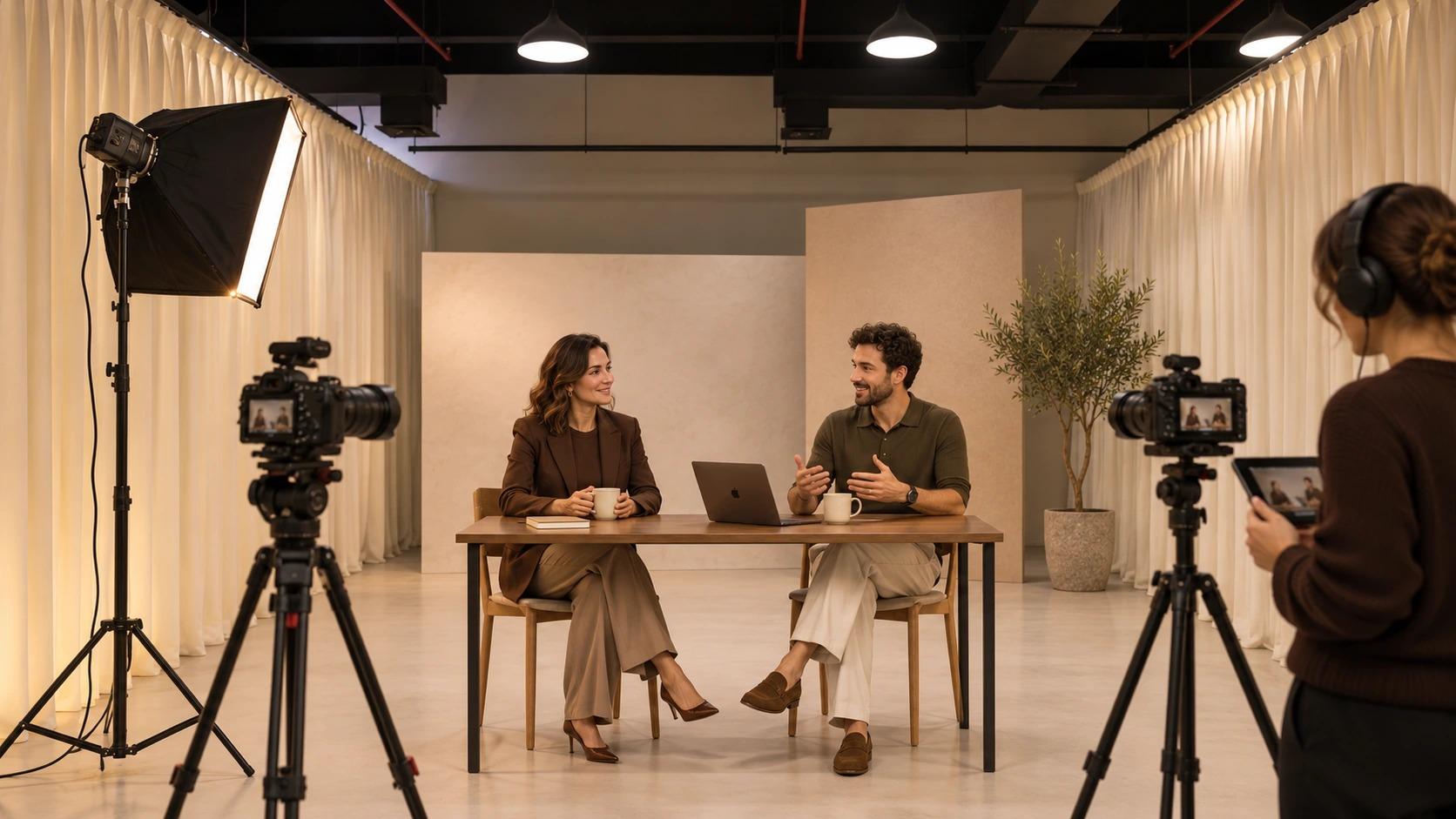
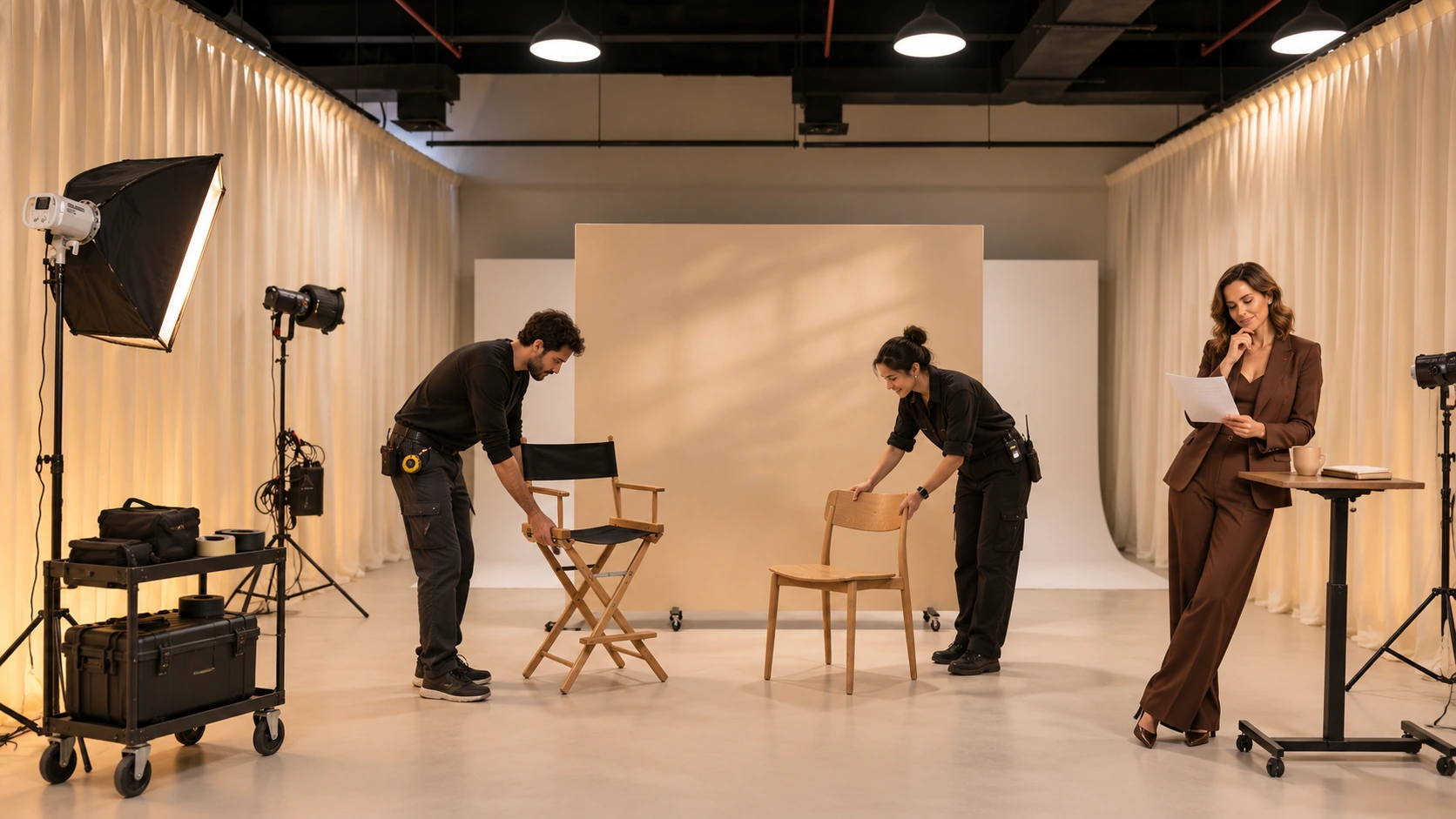
Your set should establish a familiar visual setting for the audience while allowing the production team to repeat the arrangement across bookings. Someone’s Studio supports temporary set design and movable production elements according to the project. Discuss the proposed furniture with the team and confirm how it fits the usable filming area.
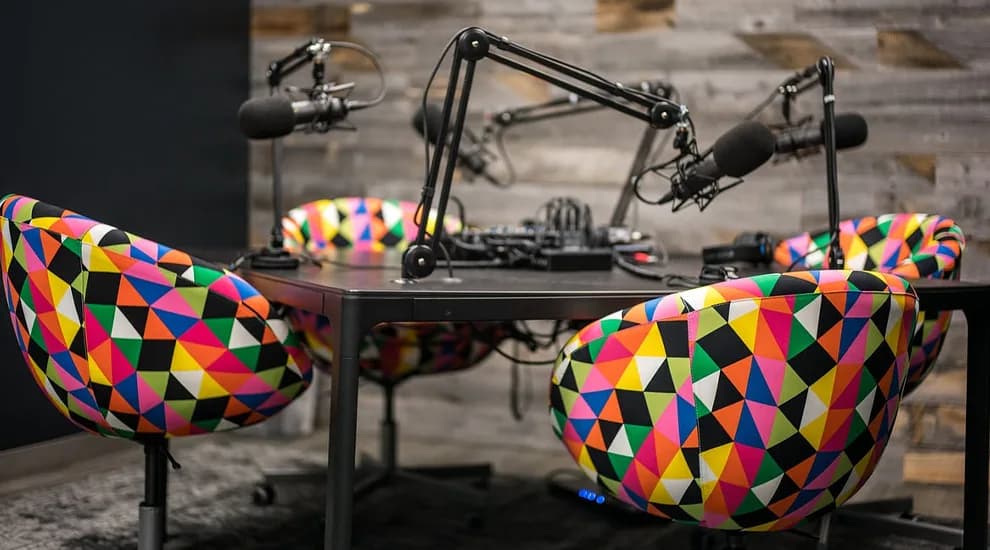
Weekly interviews might use a modest desk with a consistent host position. Demonstrations may require a work surface that the camera can see clearly. The subject determines the arrangement. Decorative objects deserve a place when they relate to the program and leave the speaker easy to follow.
Ask how the set will be reset between sessions and who will prepare the necessary reference material. Photographs can document furniture placement and camera positions. Floor sketches can record distances which affect the image. Scenery storage and access between bookings require specific agreements with the team. Your booking discussion should establish those arrangements for the proposed production period.
Match Camera Coverage to the Conversation
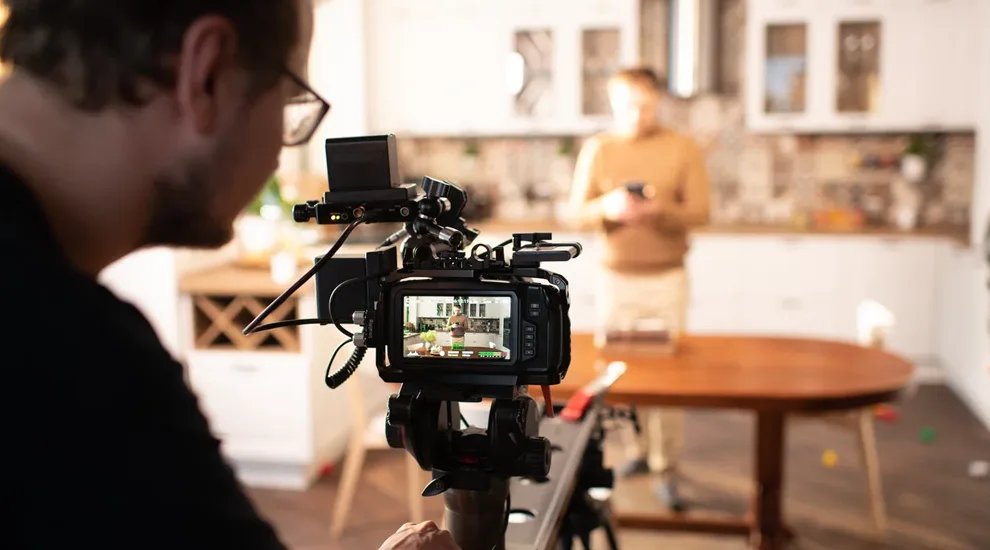
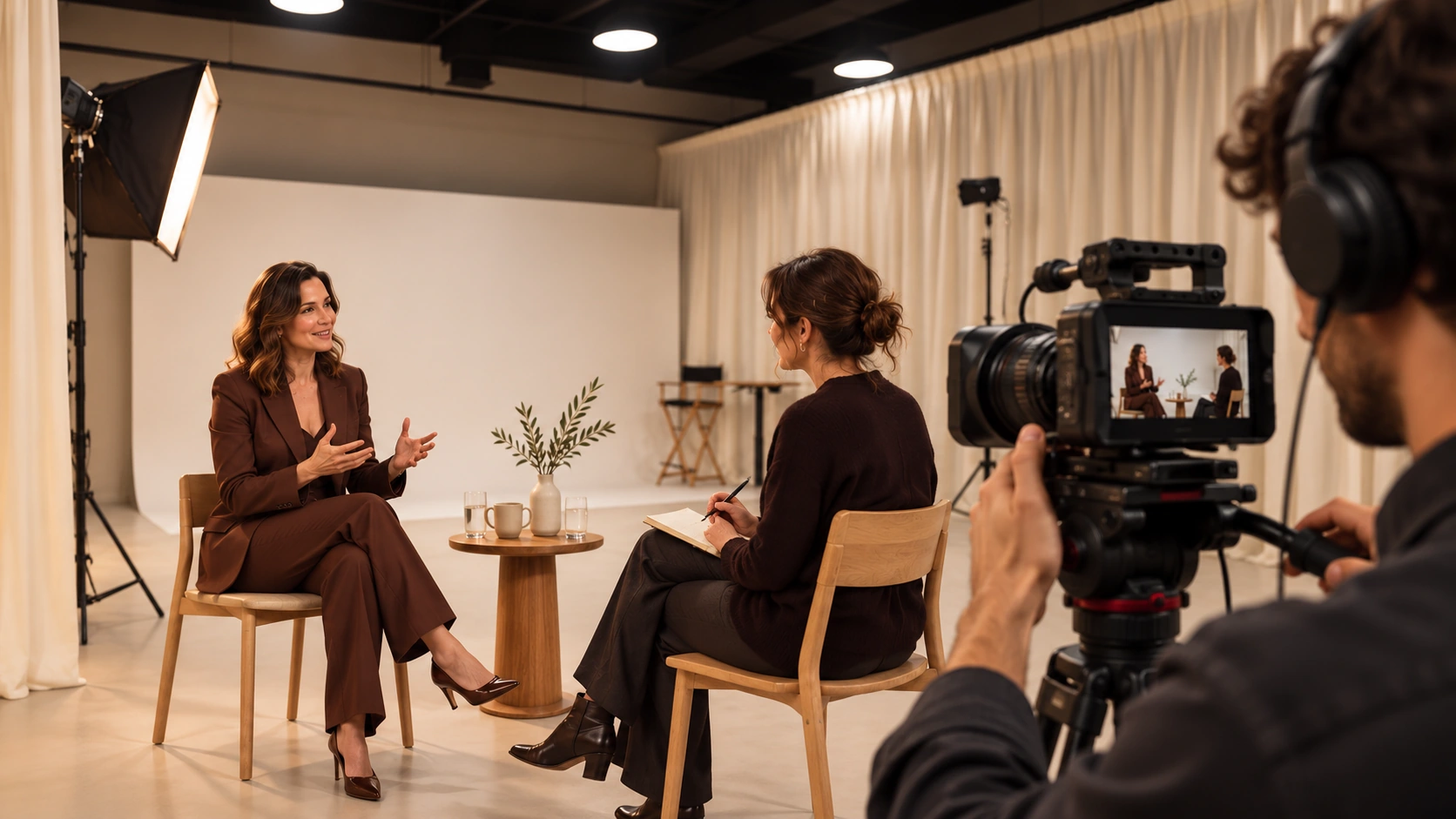
Camera choices should follow the host’s movement and the type of exchange your audience needs to see throughout the episode. Seated interviews can benefit from separate views of the speakers alongside a wider composition. Demonstrations may need a detail view that shows the presenter’s hands and the object being discussed.
Discuss those views during the technical planning conversation. The agreed equipment and crew should suit the actual format. Someone’s Studio can review production support alongside your requirements, and external production teams can use their own equipment by arrangement. Confirm the final setup in the quotation.
Check the image when speakers lean forward or turn toward a guest. Wardrobe choices can affect microphone placement. Reflective objects can change the background as the presenter moves. The recorded test establishes a common reference for picture and sound, followed by specific adjustments during preparation.
Separate the Recording Calendar and Release Calendar
Your filming schedule and publishing schedule can follow different rhythms when the subject allows advance preparation and the guest calendar supports it. Evergreen interviews may suit several recordings during an agreed production day. Time-sensitive commentary needs a schedule close enough to publication for the information to remain useful.
Build the calendar backward from the intended release. Reserve an editing period and a clear review deadline. Identify who approves the final episode, including any factual corrections. The producer needs a decision on supplementary versions so the editor can prepare the right files.
Allow time for the set to be checked when a new guest arrives. The host may need a discussion concerning names and specialist terms. The crew needs time to assess microphone placement and framing. Your session plan accounts for those activities alongside the conversation itself. Confirm the production duration after the episode requirements have been reviewed.
Prepare a Consistent Editorial Handover
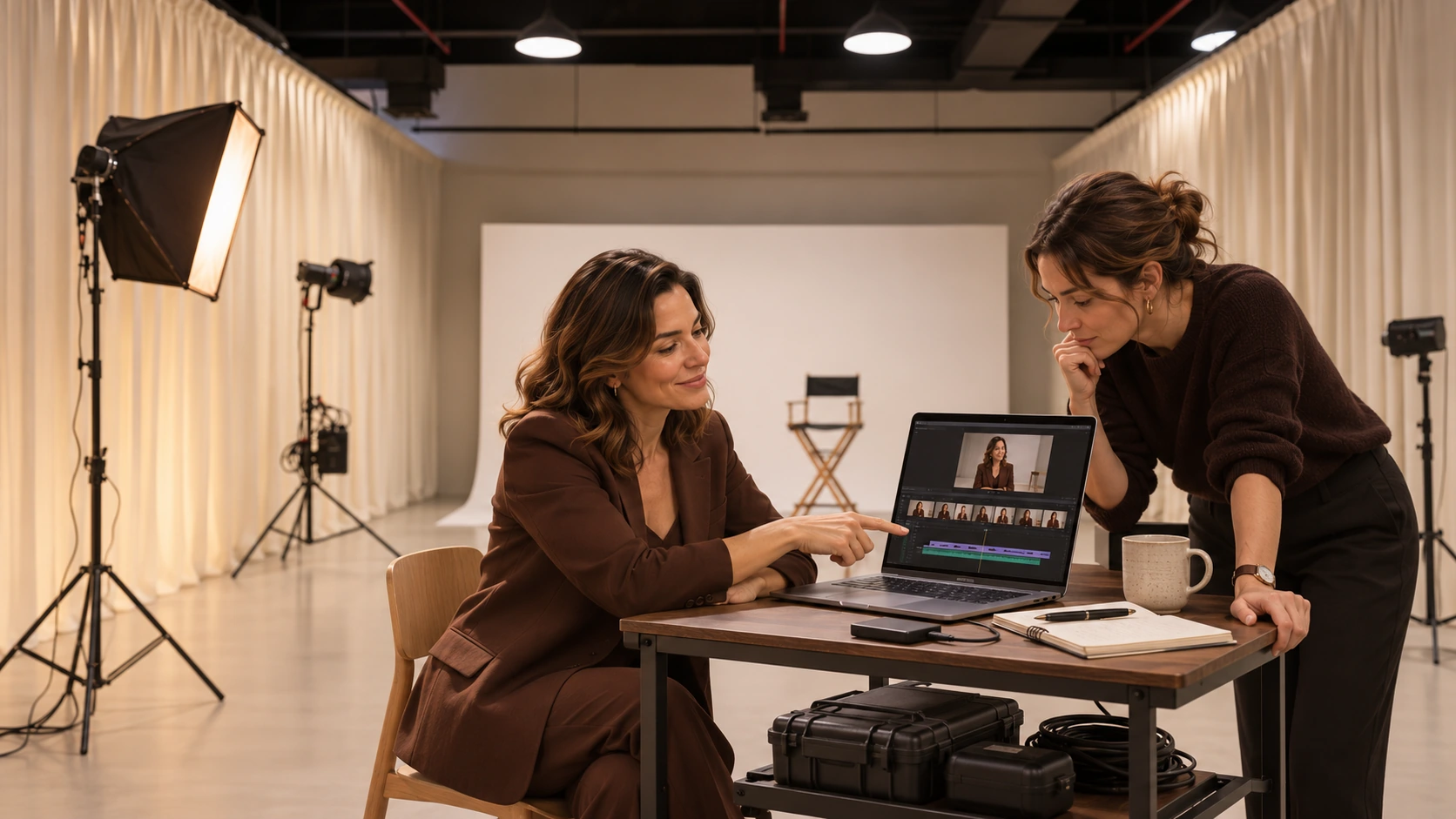
Your editor should receive enough information to identify the approved episode and understand the decisions made during the recording session. Use a consistent episode identifier across the recording notes and delivered files. Record preferred takes where a presenter repeats a line, then flag any answer that needs a factual check.
Agree the visual treatment for recurring titles and guest introductions. Reusable graphics can help the series remain coherent across episodes, while their text changes with the subject. Review typography against the channel’s existing identity. Ask the editor to check readability at the actual viewing size.
Someone’s Studio can discuss post-production as part of a video podcast production brief. The quotation should identify the agreed deliverables and review stages. Confirm responsibility for final uploads separately, along with the person authorized to approve publication. Clear responsibilities help the episode move through its final checks.
Use the Pilot to Improve the Next Recording
Your pilot should answer production questions and demonstrate how the host handles the material in an actual episode. Watch where the speaker needs a prompt and where a demonstration needs a closer view. Ask a few intended viewers what they understood and which question they would want answered next.
Treat their responses as early feedback on the proposed format. Feedback can identify confusing explanations, while broader audience behavior requires published episodes and appropriate analysis. Prepare specific notes for the host which can improve the next recording. One useful observation may concern the opening question; another may concern the pace through a difficult explanation.
Keep a short production log after the pilot. Record the changes agreed for the set and the filming plan. The next session can test those changes through comparable material. Your series then develops through observed production decisions and audience responses.
Prepare Your Weekly Show Brief
Your initial inquiry should explain the program and the intended recording pattern so the studio team can assess a suitable production arrangement. Include the expected number of speakers and the type of set you have in mind. Share relevant visual references alongside the proposed release calendar.
Explain which responsibilities your team will handle. You may already have a producer and camera crew, or you may need support across creative planning and production. Post-production requirements deserve their own discussion, especially when full episodes and separate clips will be commissioned together.
Contact Someone’s Studio with your weekly show idea and preferred production dates. The team can review the proposed set and production requirements, then prepare a quotation for the agreed scope. Your program’s identity stays central as the filming arrangement takes shape.