Brand work gets complicated surprisingly fast. One week brings a website brief. The next brings a campaign, product photography, social content, and a presentation that somehow needs to feel related to everything else. A good creative studio gives all that work a shared point of view.
Someone’s Studio approaches creativity from the brand outward. Strategy comes first. Design, photography, video, and digital content follow the same idea. Good creative work feels connected because the thinking behind it comes from the same place.
Simple in theory. Much harder in practice.
Creative Strategy and Brand Positioning
Creative strategy starts with a business question: what should people understand about the brand?
Brand positioning gives the commercial direction. It decides which idea deserves attention, which audience matters most, and which message belongs at the center of communication.
A good strategy protects a brand from random creative decisions. A beautiful campaign can still miss the point. Smart brand strategy gives designers, writers, photographers, and filmmakers a shared target.
Someone’s Studio starts with conversations around the company, customer, market, and ambition. Creative concepts then grow from a real business context.
Building a Strong Brand Identity
Brand identity gives people something recognizable to remember.
Logo design plays one part. Typography, color, imagery, language, and graphic design contribute to one another. Together, those elements create a recognizable brand character.
Strong business branding feels intentional across different places. A website should feel related to a presentation. Social media content should feel connected to campaign production. Product imagery should belong to the same company people saw yesterday.
Consistency creates familiarity.
Familiarity makes recognition easier.
That process matters far more than chasing a fashionable visual trend for six months.
Developing Your Visual Identity
Visual identity translates brand strategy into something people can see.
Color choices influence mood. Typography changes personality. Photography communicates quality, attitude, and context. Graphic systems give the brand a repeatable language for digital content and campaign material.
Creative direction keeps those decisions connected.
Some brands need restraint. Others need energy. Some need heritage and authority. Others need warmth and accessibility. Good visual identity starts with understanding the brand’s real character.
Someone’s Studio develops visual systems with practical use in mind. The identity needs to work on a website and inside a video frame. It needs to work on social media and campaign artwork.
Beauty matters. Usability matters too.
Creating a Consistent Brand Look and Feel
Brand consistency comes from repetition with judgment.
Customers should recognize the company across different touchpoints. The same brand can speak through a corporate presentation, an Instagram post, a product film, and a printed piece while retaining a familiar character.
Brand guidelines help teams keep that connection intact. They can cover logos, typography, color, image treatment, layouts, and tone.
Good guidelines still leave space for creative thought. They provide a framework people can work within.
Consistency becomes especially valuable as a company grows. More people create material. More channels appear. More campaigns enter the calendar. A dependable visual system keeps the brand coherent through all that activity.
Creative Direction for Your Brand
Creative direction decides how the brand’s ideas appear in public.
It connects strategy with execution. A campaign may begin with one sentence, but creative direction decides how the sentence becomes photography, video, graphics, copy, and digital content.
Strong creative direction asks practical questions.
What should the audience notice first? Which visual mood fits the brand? How should the camera treat the product? What kind of language belongs in the campaign?
Creative teams use those answers to keep production connected to the original idea.
Someone’s Studio keeps creative direction close to production because ideas often become stronger when the people planning them understand how they will actually be made.
Brand Storytelling and Visual Communication
People remember stories because stories give information context.
Brand storytelling can explain why a company started, why a product matters, or why customers keep coming back. Business facts gain meaning when they connect to people and real situations.
Visual communication adds another layer to those stories. Photography can communicate mood in one frame. Video can bring personality into the message through voice and movement. Graphic design can simplify information and give it greater visual order.
Brand communication works best when the story feels true to the company.
Forced drama rarely helps.
Real detail usually does.
Content and Creative Production
Ideas need execution.
Creative production takes a concept and gives it a finished form through photography, video production, design, motion graphics, or digital content creation.
Good content production starts with planning. Teams decide what needs to be produced, which channels will use it, and how several assets can come from the same production period.
One campaign day might create a hero film and a photography library. Another production may deliver product photography plus short social videos.
Planning content as a family helps the brand use its budget intelligently.
Creating Branded Content for Digital Platforms
Digital platforms ask for different formats.
Instagram needs fast visual communication. LinkedIn can support longer corporate ideas. Websites need content with a longer useful life. Paid campaigns need assets built around a specific action.
Branded content should still feel like the same company across all those environments.
Digital content creation works best when the production starts with the channel's needs already in mind. Framing, length, typography, and edit pace can then suit the final destination.
Someone’s Studio plans branded content around the brand first, then the platform.
The platform changes.
The brand stays recognizable.
How a Creative Studio Supports Marketing Campaigns
Marketing campaigns need a lot of material.
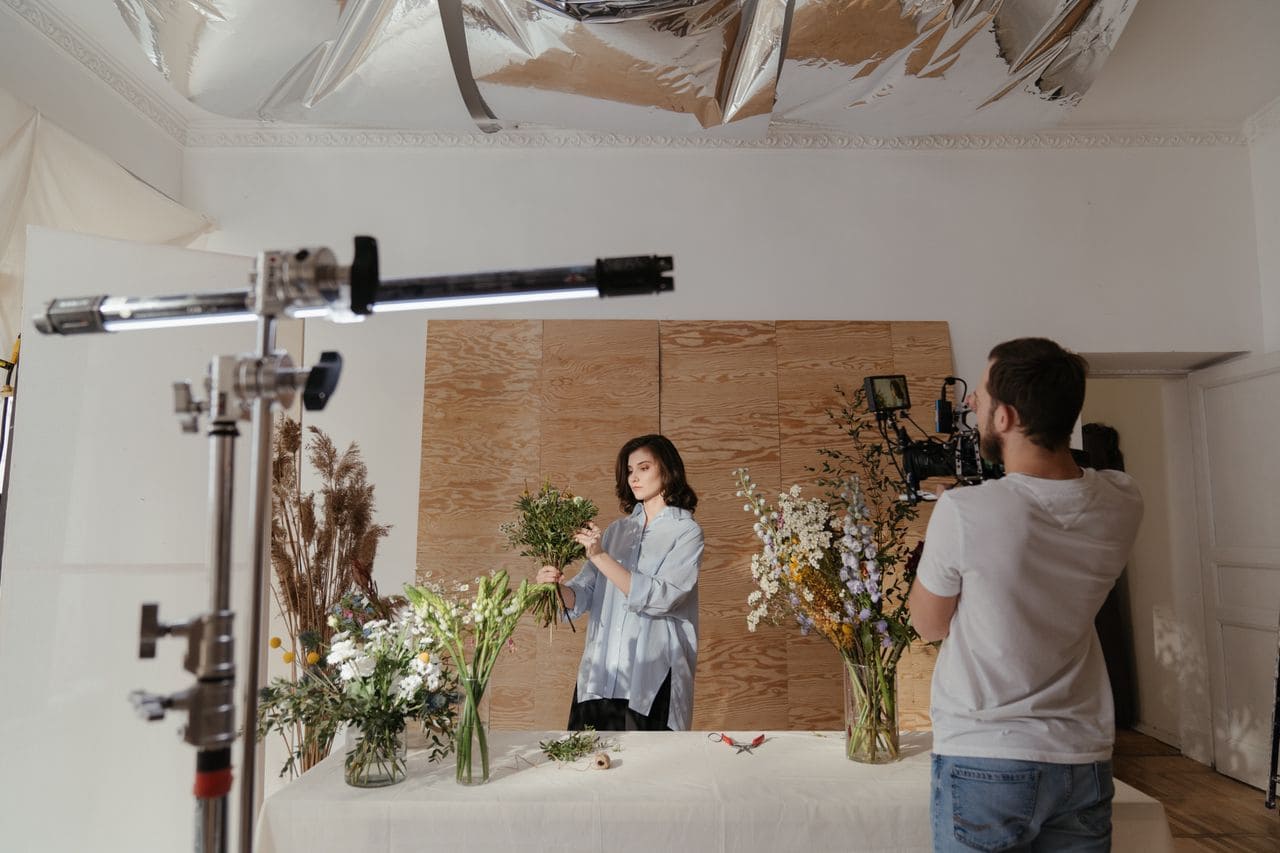
Campaign concepts may require key visuals, social assets, video, photography, landing-page design, and sales material. A creative studio can connect those pieces through one central idea.
Creative production also helps marketing teams move from campaign planning into real assets. Strategy becomes a script. The script becomes a shoot. The shoot becomes content for multiple channels.
Marketing teams gain value from having one creative team understand the campaign from beginning to delivery.
Fewer explanations. Better continuity. More useful material.
Creative Studio vs Branding Agency: What’s the Difference?
Branding agencies often concentrate on brand strategy, identity systems, naming, and design. Creative studios usually work closer to ongoing content and production.
The line can overlap.
Someone’s Studio combines brand thinking with production capability. A brand identity discussion can lead directly into commercial photography or video production. Campaign concepts can move into real production through the same creative team.
That connection matters for brands that need strategy and content to speak the same language.
Agency thinking gives direction.
Studio production gives the idea a visible form.
When Should Your Business Hire a Creative Studio?
Growth creates plenty of signals.
Your business may need a creative studio when marketing output starts feeling disconnected. Another signal appears when the brand grows faster than its original identity. New products, new markets, or larger clients can all create a need for stronger creative support.
Campaign pressure creates another moment. Internal marketing teams can reach capacity quickly when social media content, video, design, and photography arrive at once.
Creative support gives the business specialist talent for those periods.
Hiring a studio also makes sense when leadership wants a fresh reading of the brand. People inside a company know the business incredibly well. An external creative team can see communication habits that internal teams may have stopped noticing.
How to Choose the Right Creative Studio for Your Brand
Start with the thinking behind the portfolio.
Pretty work can attract attention. Strong reasoning tells you far more.
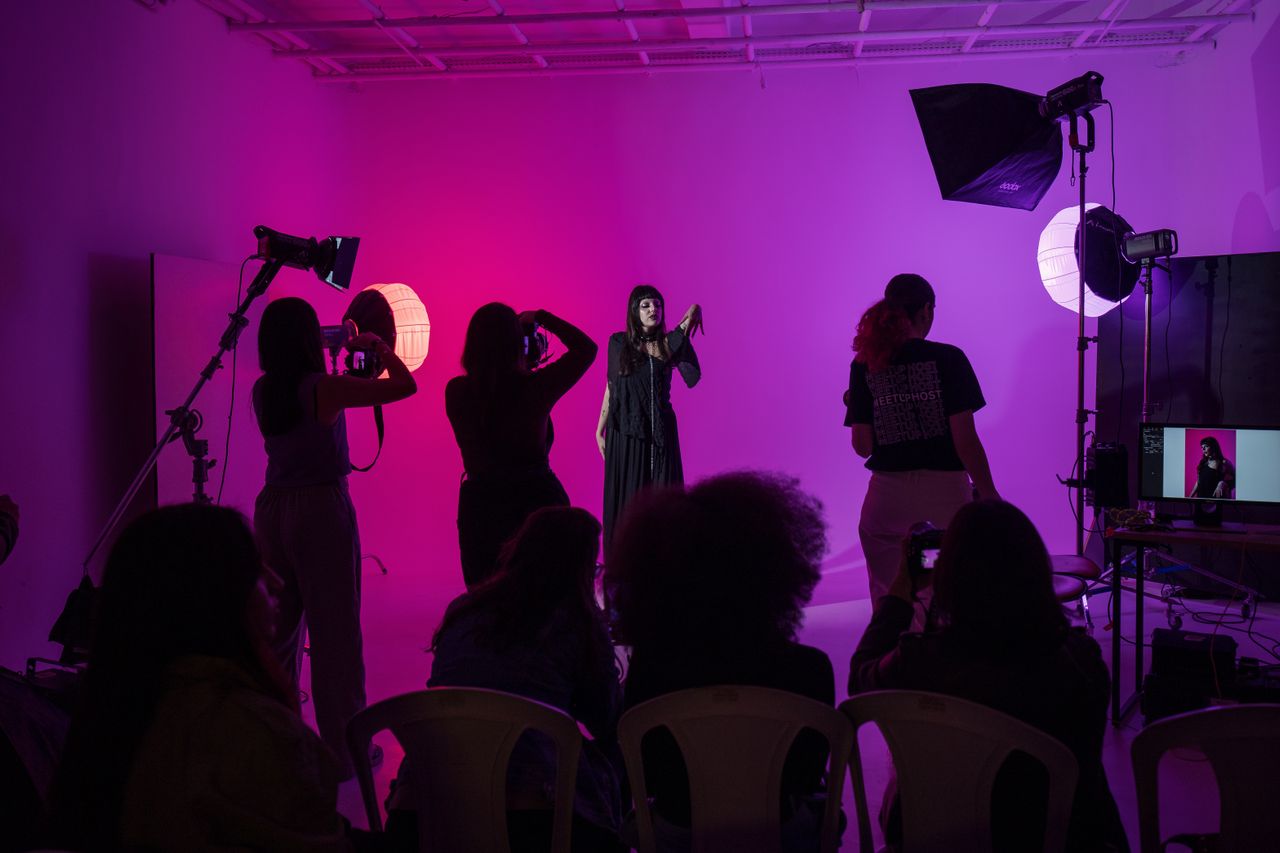
Ask how the studio approaches brand strategy. Ask how concepts move into production. Review photography and video work. Look at the range of industries and campaign types.
Communication matters as much as the portfolio. Good creative relationships rely on open conversations and clear feedback. The studio should understand business goals as comfortably as it discusses cameras or typography.
Chemistry matters too.
Creative work involves debate, revision, and plenty of decisions. Choose people you can speak with honestly.
Why Work with a Creative Studio in Dubai?
Dubai brands operate in a market with high visual standards and a fast commercial rhythm.
Customers see premium hospitality, retail, property, technology, and luxury communication every day. Average creative work becomes easy to forget.
A creative studio Dubai partner understands that commercial environment. Local production access can also make photography, video, and campaign work easier to coordinate.
Someone’s Studio gives brands a Dubai base for strategy, visual identity, content creation, commercial photography, and video production.
One creative idea can then move across several channels while retaining the same character.
Give Your Brand Ideas a Clear Creative Form
Brand ideas often begin as fragments.
A founder has a thought. A marketing team sees an opportunity. A product team has something new to launch. Creative work gives those fragments language and visual form.
Someone’s Studio helps brands take an idea from early conversation into strategy, identity, photography, video, and campaign content.
The process stays human.
Talk first. Understand the business. Find the strongest idea. Then make something people actually want to see.
Good creative work rarely needs a complicated philosophy.
It needs a reason to exist and people who care enough to get it right.