Listeners who follow an interview during a commute receive its spoken explanation, even when the original recording includes a product demonstration on camera. If a guest points to a detail and says “here,” the explanation relies partly on the image. For a brand deciding between a video podcast and an audio podcast, the first production question concerns what the audience needs to see. The answer affects the interview itself and the files commissioned for release.
Someone's Studio's podcast production services support discussion of both recording formats, within a wider brand-led creative practice. Your format decision deserves a specific editorial reason: perhaps the guest needs to demonstrate a material, or the intended listener wants a complete conversation while occupied with another task. Examine the proposed episode against that use, then agree which version deserves the larger production allocation.
Decide What the Image Adds to the Conversation
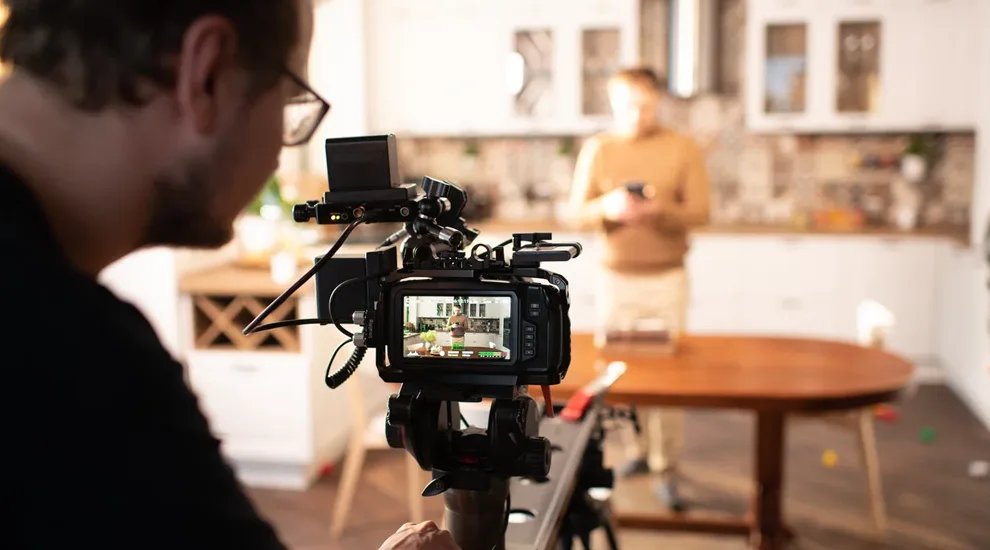
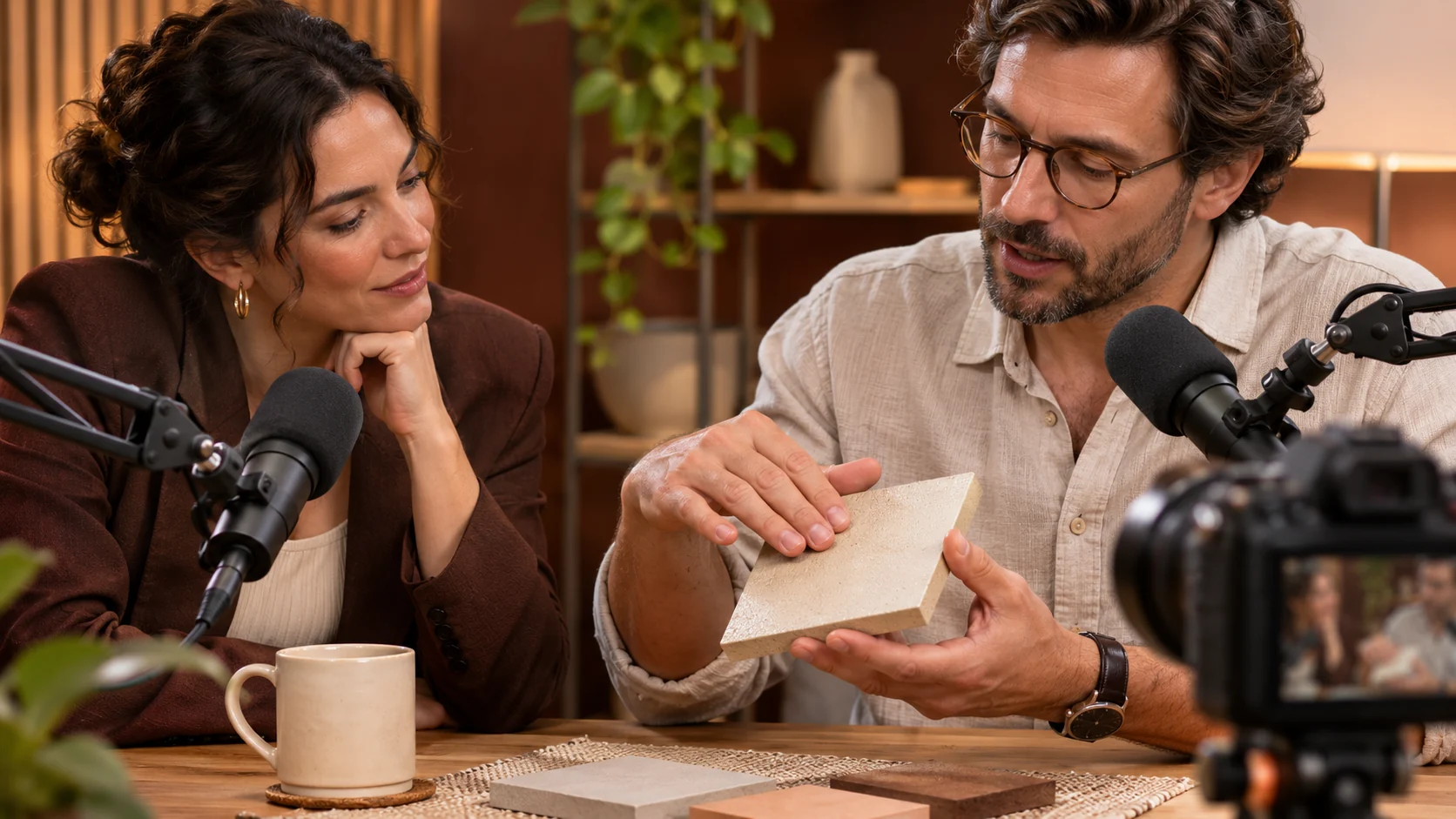
Video earns its place when the audience benefits from seeing something the speaker discusses, particularly a physical demonstration or a visual comparison. In a design interview, a guest might explain how a ceramic sample's surface changes beside a window. The camera needs a useful view showing the sample as the guest moves it. If the same explanation is destined for an audio edition, the host needs to describe the visible difference in words.
In an interview focused on a person's professional decisions, facial expressions provide another reason to consider filming the exchange for the intended audience. Assess a test recording for the actual information conveyed by those expressions. Keep the guest's reactions in their original conversational context during editing. If a reaction shot appears beside a different statement, the edit creates a misleading impression.
Plan for the Listener's Actual Use
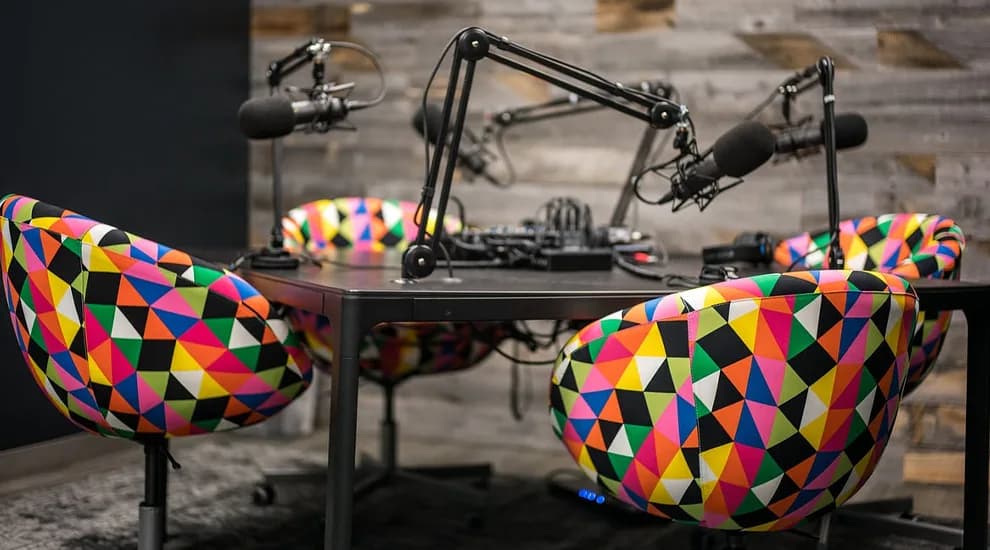
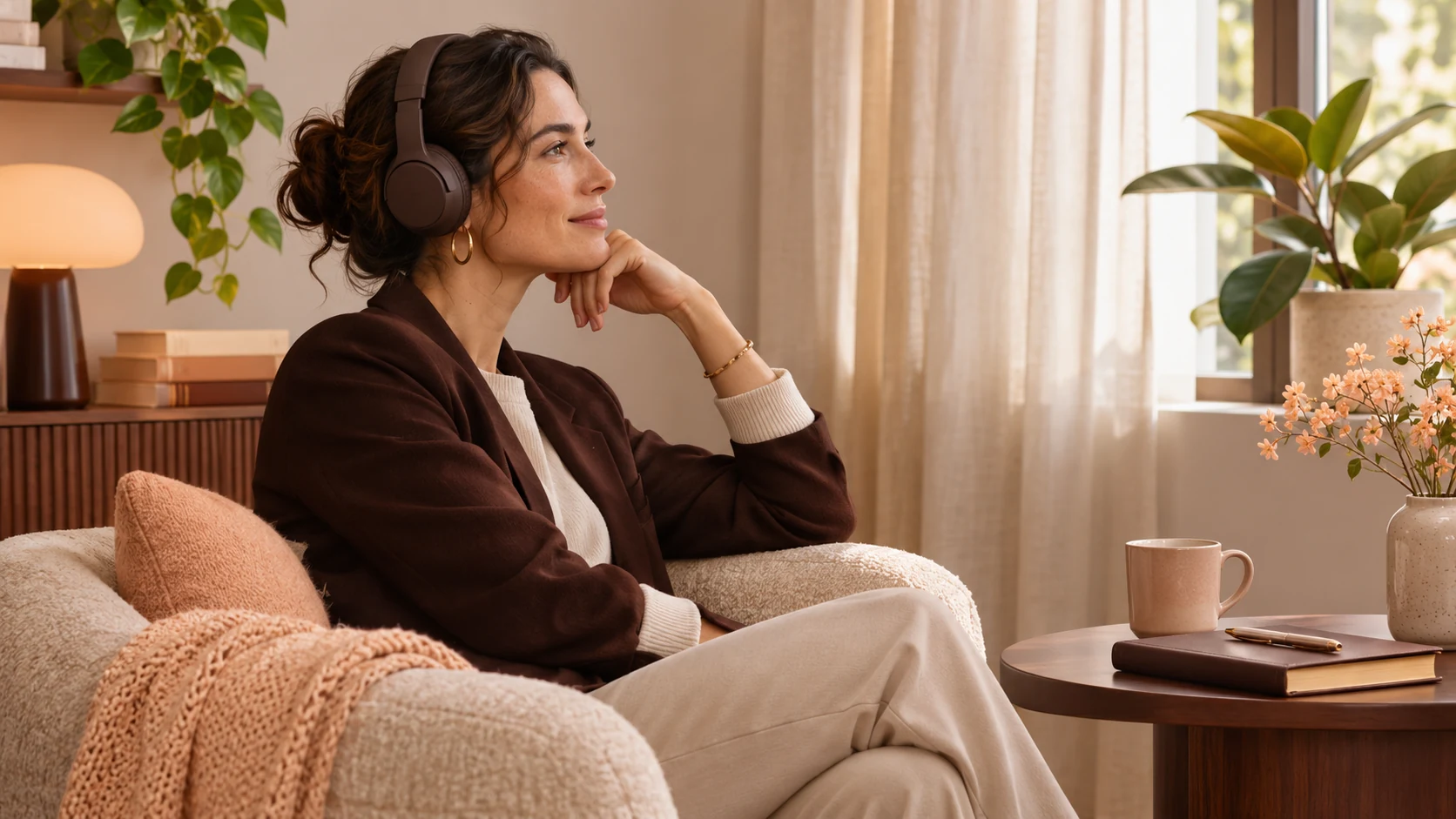
Audio suits an episode whose meaning lies entirely in speech, especially when the intended listener expects to follow it while walking or performing a routine task. Interview questions need sufficient context for someone encountering the subject only through sound. Explain a specialist abbreviation when the conversation first requires it. For a discussion between several guests, use spoken introductions and natural references to speakers when their identities affect the answer.
For the pilot, ask prospective audience members where they already listen to programs and what interrupts their listening session. Use those answers to establish a starting hypothesis for the pilot. Review actual feedback after release, with attention to whether listeners could follow the episode's main explanation. Broad claims that an audience always prefers a particular format deserve specific evidence from the audience your brand intends to reach.
Separate the Recording Format from Distribution
YouTube's podcast documentation describes episodes as videos within a podcast playlist, and it provides audio-only playback for podcast videos. In a production brief, specify whether the video file supports a complete listening edition alongside its visual content. Specify the intended uploaded file and describe how the conversation will remain intelligible in audio playback. Full episodes belong in the podcast playlist; promotional excerpts need their own release plan.
For shows hosted with Spotify, its video publishing guidance states that audio from an uploaded video becomes available through the show's RSS feed. Distribution to other platforms through that route supplies an audio episode. Confirm the proposed delivery route with the publishing team when commissioning a filmed program. Video distribution to another destination needs its own supported arrangement and the appropriate files.
Apple's current HLS video guidance describes a show page where audiences switch between video and audio-only playback, with delivery through a supporting hosting provider. Availability varies by country or region. Check the relevant destination and host when planning a Dubai brand's release. Traditional video delivery through RSS remains another documented option, so the technical brief needs to identify the actual arrangement selected for the show.
Compare the Complete Production Scope
The audio commission needs a suitable recording environment and a finished mix that preserves intelligible speech throughout the episode and its quieter replies. Its editing scope depends on the conversation's condition when recorded. If an interview contains substantial repetition or passages requiring factual correction, allow editorial time for those changes. Even a brief final episode requires a considerable edit when the original conversation needs extensive revision.
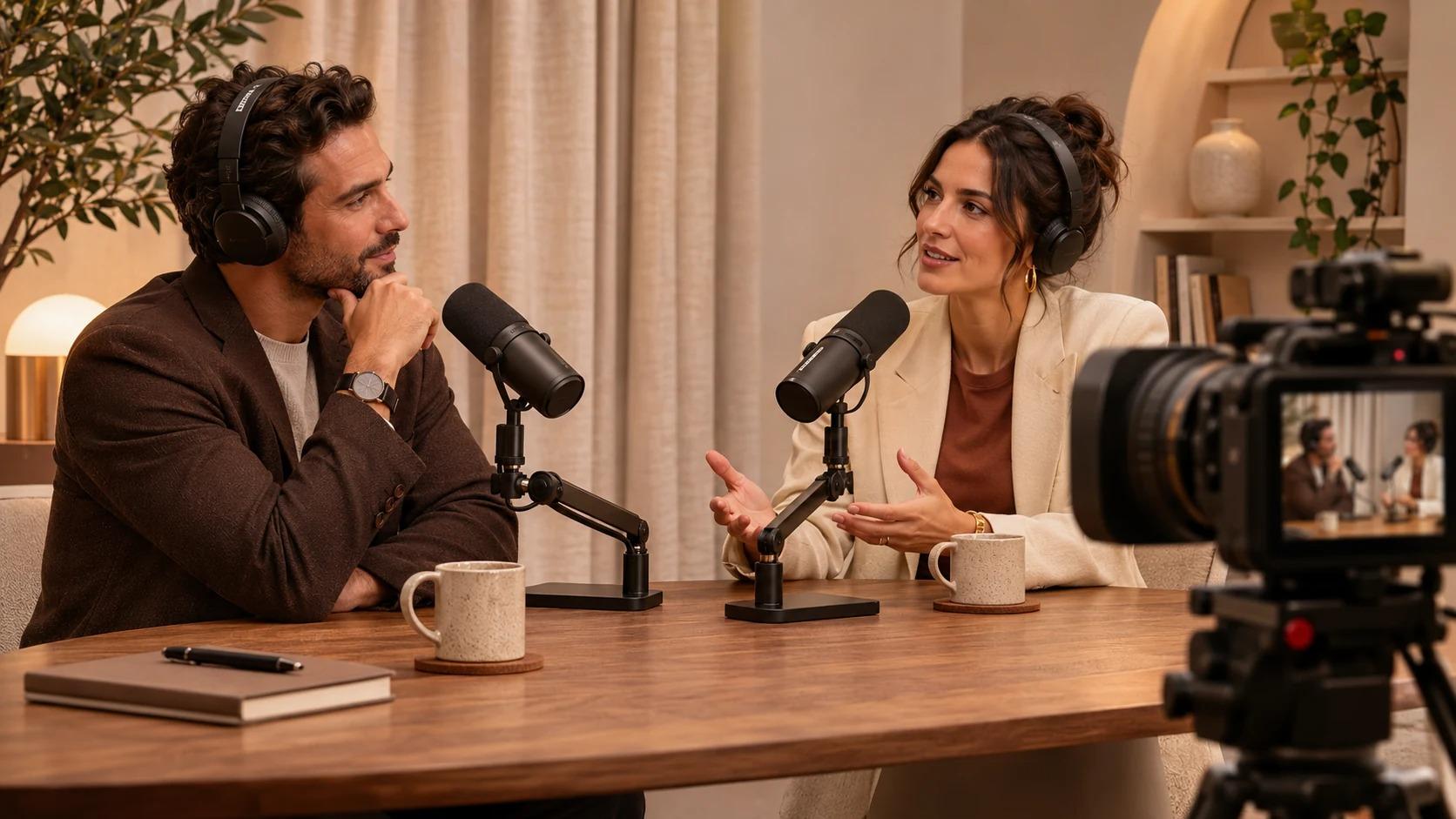
For a filmed episode, the producer needs to plan camera composition and the set's appearance alongside the audio recording arrangements. Include time for participants to settle into their intended positions. In the setup test, check how their normal gestures appear within the frame. The quote needs to describe the camera work separately from the requested finishing work so the client can compare proposals with equivalent deliverables.
Protect the Audio Edition During Filming
Guests discussing objects often use gestures that make sense to everyone present, so the host needs a way to describe essential visual details within the conversation. Ask the guest to name the object and explain the relevant feature as they demonstrate it. Keep the verbal explanation natural enough for the filmed edition. The audio listener then receives the substantive point through the exchange itself.
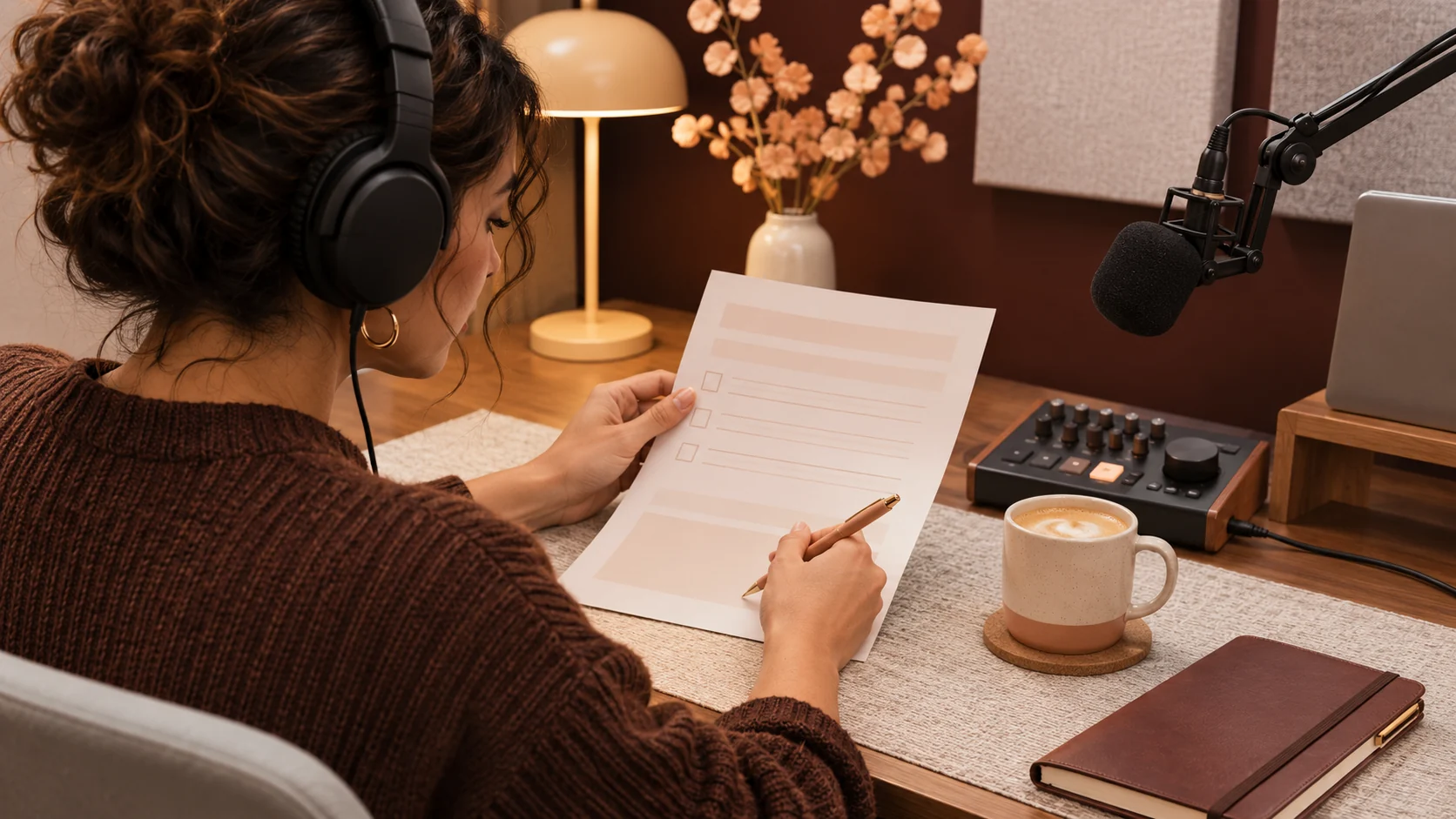
After editing, listen to the proposed audio export with the picture hidden and identify passages that require visual information to make sense. Where the missing information changes the meaning, record an appropriate explanation or revise the edit with the producer. Preserve the speaker's factual qualifications during that revision. Treat the listening pass as a separate editorial review, with comments linked to the relevant passage.
Commission Promotional Material for Its Intended Placement
Short filmed excerpts require enough conversational context to communicate a complete point, particularly when the speaker's answer responds to a question outside the selected passage. Include that context in the edit or its accompanying introduction. Reserve time for captions that accurately reproduce the speech. If a demonstration remains essential, retain the relevant object within the final crop and check its visibility on the intended display.
For an audio-led program, separately recorded promotional video has a use when the brand wants a host to introduce the next episode on camera. Specify the introduction as an additional deliverable and plan its recording time. For a brand commissioning both full formats, agree which excerpts come from the main recording. The production team then has a concrete delivery list for its quotation.
Test the Choice with a Comparable Pilot
The most useful pilot comparison examines the same substantive conversation in its intended viewing and listening versions, with reviewers drawn from the proposed audience. Ask what information they retained and which passages required another listen or view. Include questions tied to the brand's actual communication aim. Record comments separately for the two versions so a useful demonstration remains distinguishable from a general preference for seeing a guest.
For an initial release, compare performance within the relevant platform's own reporting definitions and the same observation period. Apple's HLS guidance explains that video and audio consumption contribute to the show's overall analytics. Check what the chosen host reports separately when evaluating the use of format. Keep production expenditure visible alongside audience findings, then decide which work merits continued funding for the next episode.
Brief the Production Around the Selected Format
Your commissioning brief needs an audience description and an episode premise explaining why the proposed conversation warrants a recording, followed by the selected distribution arrangements. State whether the commission includes an audio edition alongside the filmed episode. List promotional exports separately, with their intended placements. The producer can then price the actual recording work and the requested post-production scope.
Someone's Studio's brand-led creative services provide a relevant starting point for discussing how a program should communicate the client's character through its chosen format. Contact Someone's Studio with your proposed episode and the audience you intend to reach. Include the expected release date, then request a production proposal that distinguishes the approved recording services from the finished files required for publication.