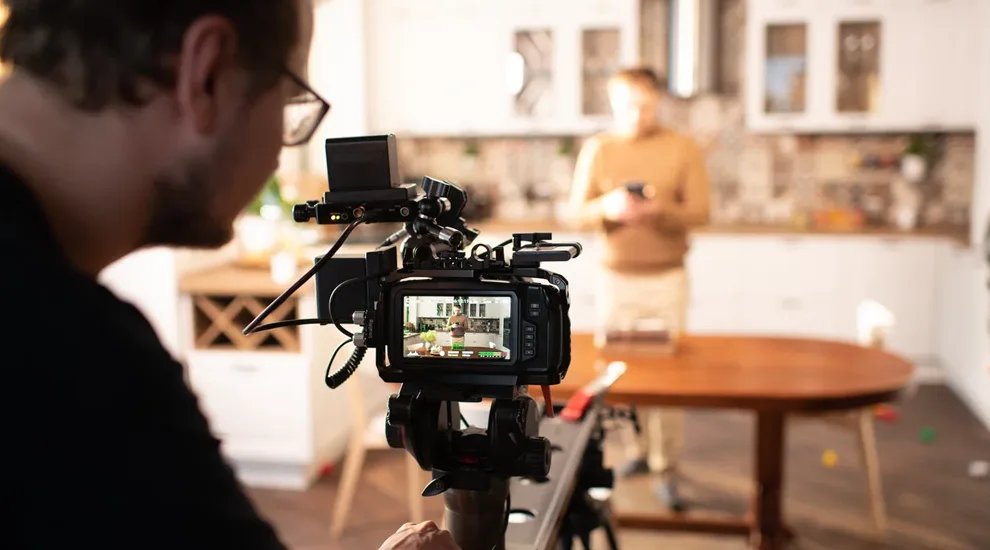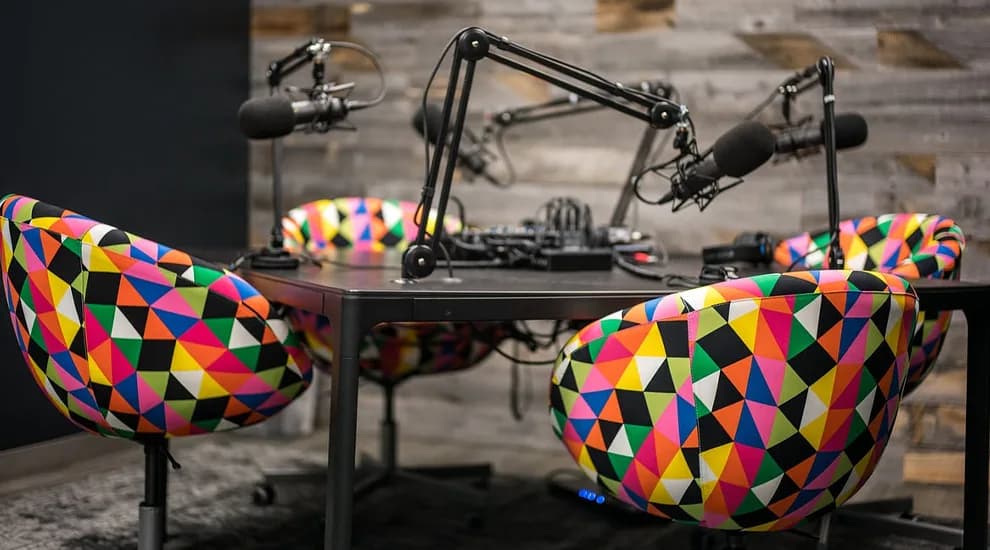
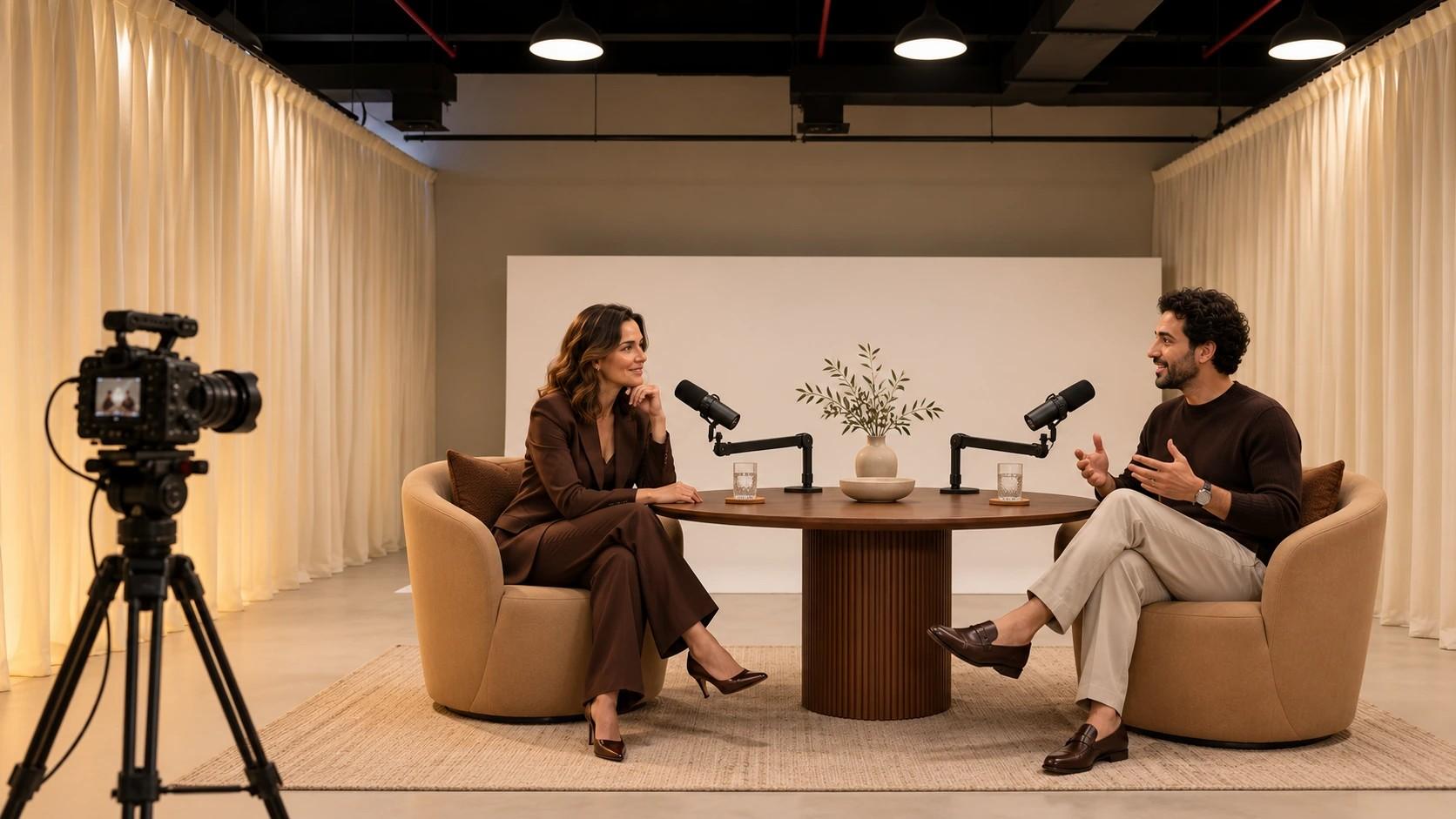
Half an hour spent rebuilding a podcast set can change what fits into a rented studio session, especially when the second guest has a firm departure time. If the first visit used a wider table or the crew set a camera closer to the host, the next session starts by finding out how much time it takes to get the old shot back. Set the time for the first recording after the crew has checked the new layout.
Video podcast studio rental in Dubai works for a regular series when the crew can repeat the setup and still have enough time for a different guest. Ask for a price for the first session, then request a separate price for a return visit. Find out who restores the layout and how long it takes to get a recording ready for your editor.
Ask What the Booking Covers
Start the rental conversation with a sample week, such as a Wednesday session for one host and two guests who record separate episodes. Your crew needs a written time for access and a time to hand the space back. Setup and the file check after the final guest leaves may count as paid time. Compare prices for the same hours on site. Check whether the quote counts crew access from the time the first camera comes through the door.
The Studio podcast service page describes recording and post-production. Ask for a written scope for your dates so you can distinguish a space rental with your own crew from a session with technical support. When the producer is helping the guest, someone else has to watch the recorder. Name the person who checks the files and hands them to the editor.
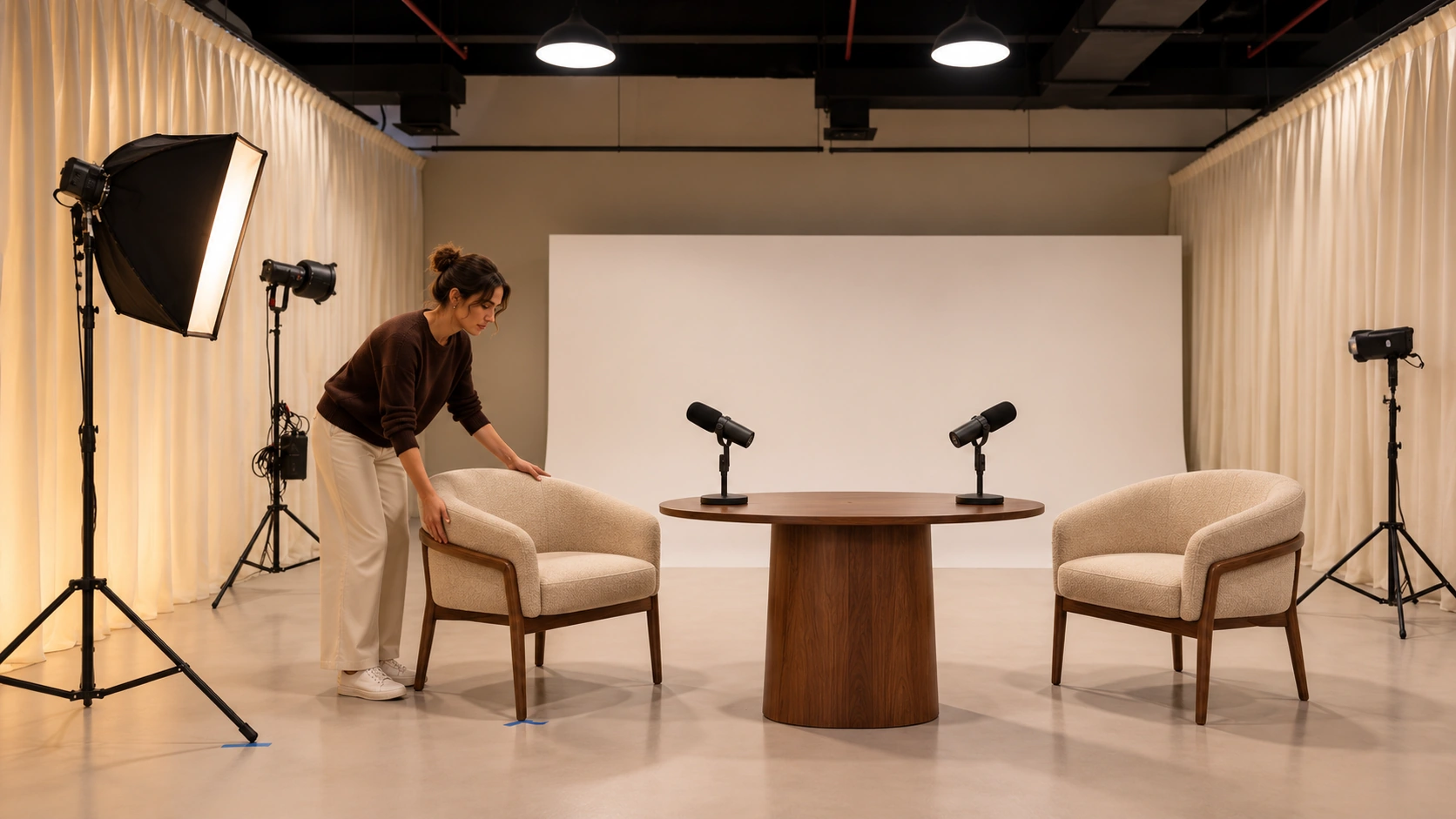
Test the Sound During a Real Conversation
Ask your host and a colleague to talk across the table at the volume they use in a live interview. Have the guests interrupt each other or turn their heads during the test. Listen back on headphones to a passage where one person speaks. If that voice is loud on both tracks, try a different microphone position and record the same exchange again.
The sound test should include a pause with the studio set up for an episode, so you can hear the air conditioning or the camera fans in the gaps. Ask for a track per speaker so your editor can adjust each voice on its own. Play the recorded sample in another space, where the only voices you hear are the ones on the tracks.
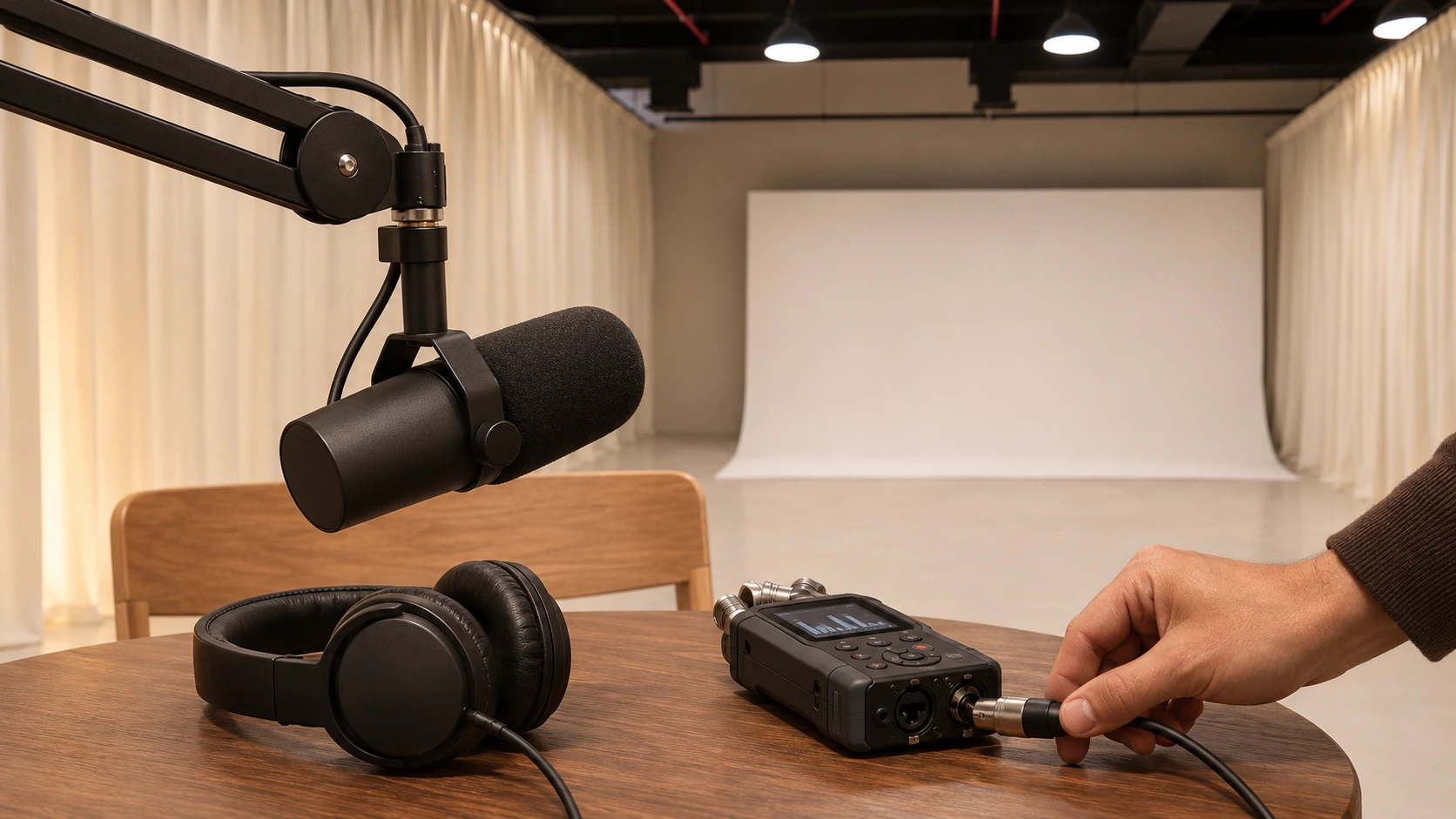
Match the Camera Plan to the Number of Guests
For a two-person conversation, begin with the wide shot you would use if a close angle became unavailable halfway through the episode. Frame both faces and position the microphones at a distance the guests can keep throughout the conversation. Choose a close angle for a reason, such as showing a guest's face while they explain something with their hands. The guest’s first answer shows where they naturally look, so use it to check the cuts between angles.
If one device rolls late or an operator changes cards, your editor needs a way to line up separate picture and sound recordings. Adobe’s multi-camera editing guide describes sync using shared audio or timecode. Pick the method with your editor at the planning stage and check it on a short export. Ask them to watch speech near the end of a long test so the check covers the duration you plan to record.
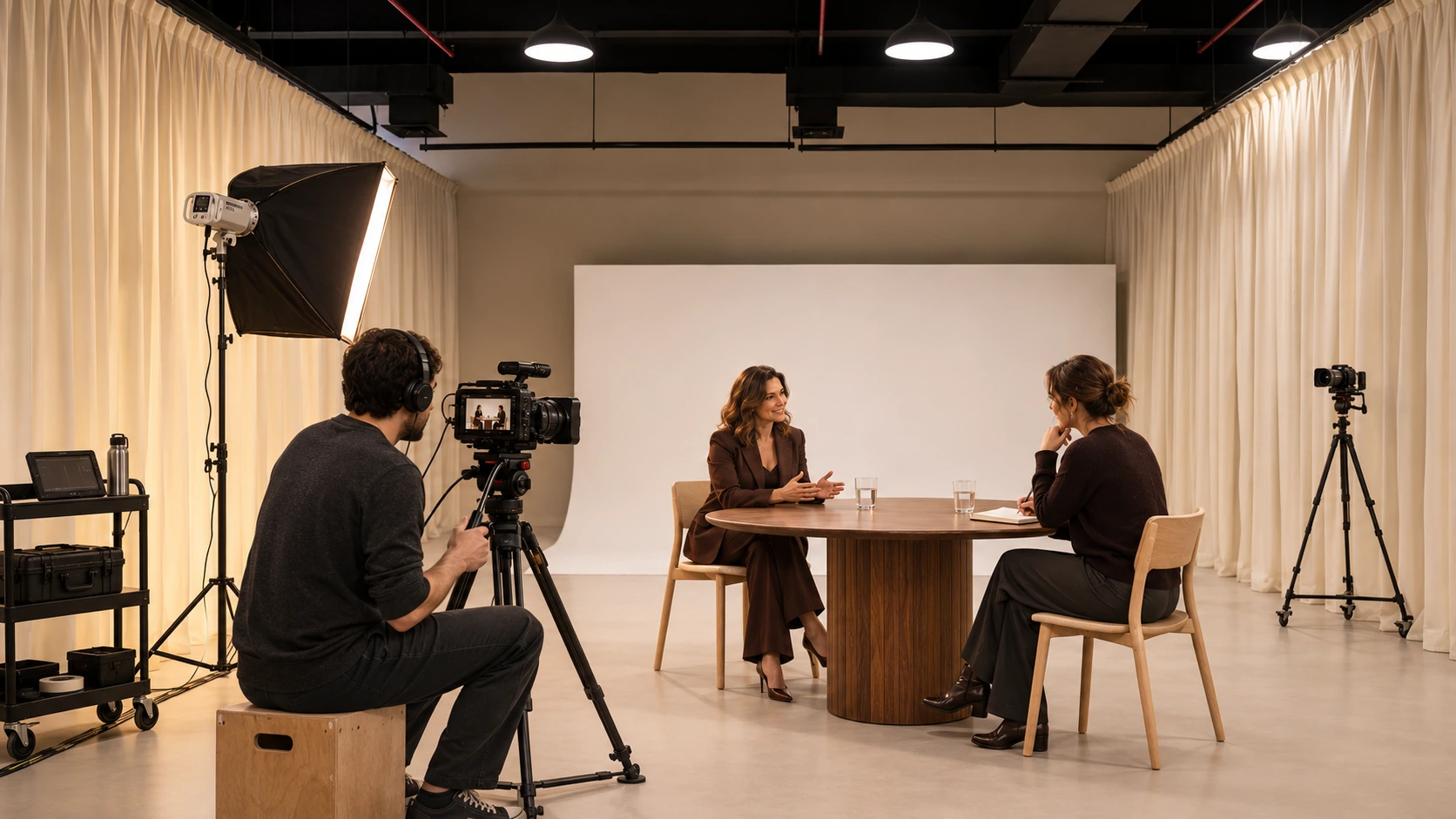
Leave a Record the Next Crew Can Use
Your second booking starts faster if the first crew saves a still from the wide camera and a side photo showing the microphone’s position. Camera height and chair spacing belong in the same notes when a move of a few inches would change where guests appear in the frame. Keep the record with the episode files so a substitute operator can find it.
If two monthly sessions share the studio with other productions, ask whether the furniture returns to its usual place that evening or whether parts of your set stay between dates. Your booking agreement should name the owner of any pieces you pay to build and say where to collect them when the booking ends. Budget for time to rebuild the set when the agreement calls for a reset.
Plan the Turnaround Between Guests
Five minutes of usable conversation may be enough for a sound test, but the crew needs to time a full interview to estimate a regular session. When the first recording ends, time the chair change and the next sound check. Ask where guests can review their notes while the crew finishes the previous episode. Include the reset minutes in your booking when guests arrive on separate schedules.
When the first guest runs 15 minutes over and the second has a firm departure time, the producer has to choose which part of the schedule to trim. Decide which parts of the set can stay in place and reserve time for the next guest’s sound check. Once you know how long the reset takes, decide whether your schedule will support another episode per session. Compare the cost per episode using the episodes you can finish to your release standard.
Set the File Handoff Early
Ten minutes spent opening the files on the recording day can save a return trip when one camera clip ends early or a microphone records to the wrong channel. Agree on a naming convention your editor recognizes and identify which copies leave with the producer. While the crew is still on site, check the files against the expected episode count and have the crew identify the chosen take. Write down who can retrieve an extra copy and the duration of storage.
Decide who delivers the finished episode and who prepares any shorter excerpts so both jobs appear in the scope. YouTube’s podcast guide explains that its podcast playlist is for full episodes. When your brief calls for excerpts, specify the aspect ratio in the quote and review a sample crop during the pilot. Phone screens may need a tighter view than the original wide recording.
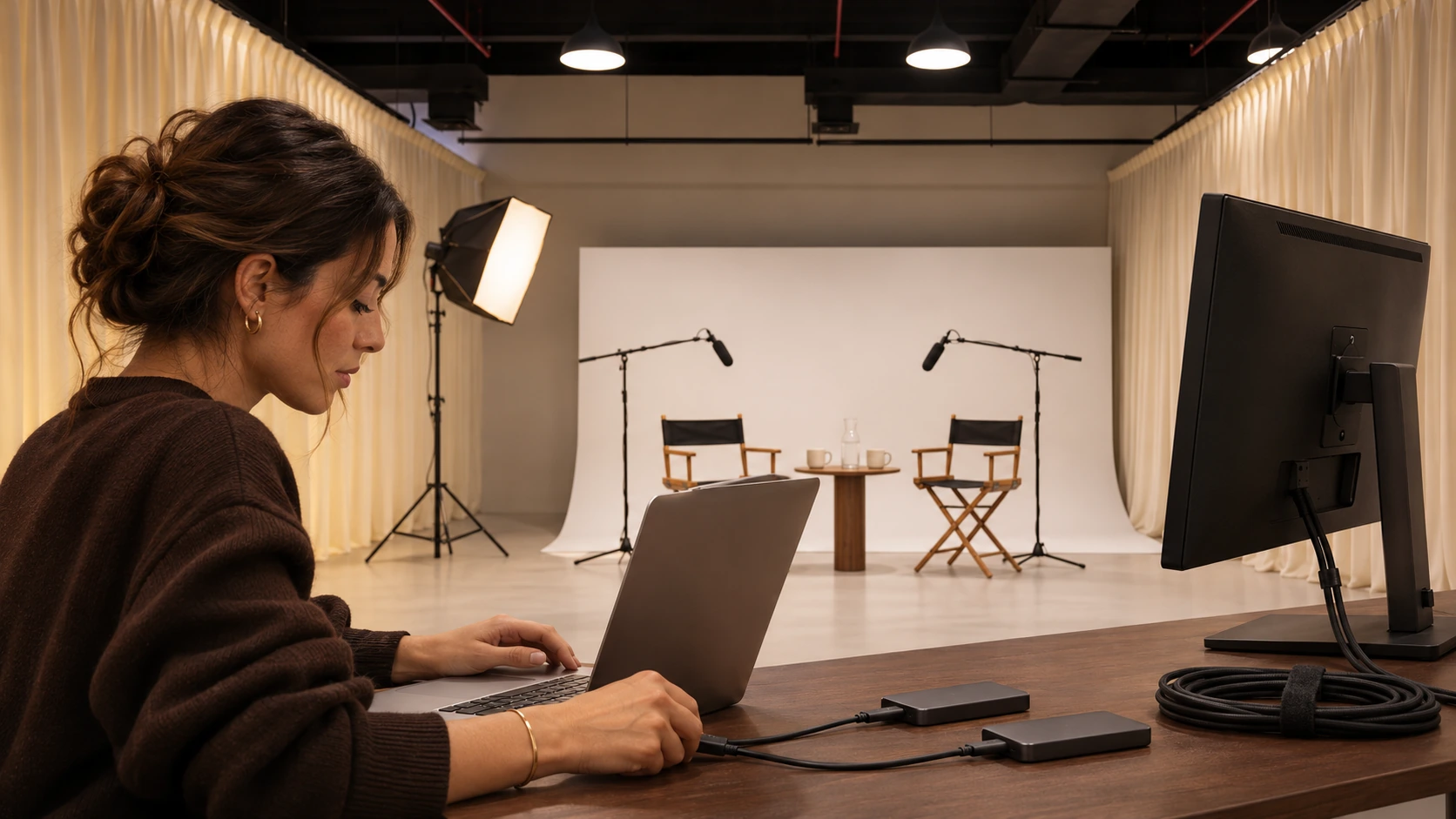
Agree on Who Reviews the Episode
Your delivery date depends on how much time the guest and the brand have to review the cut, even when the quote includes the finished episode. Decide whether the guest receives an excerpt or the entire episode. The producer can collect changes from the people with approval rights. Your editor needs one set of notes for the revision. When a sponsor has a line to approve, send the approved wording to the host ahead of the session and identify the reading in the file notes.
The delivery brief should name the final approver and state when their answer is due, so the editor can reserve time for changes after the review. If the Tuesday recording goes live Friday, put the review deadline on the calendar with the recording date. Ask the editor to quote for that turnaround as part of the booking.
Confirm the Next Date After the Pilot
Use the first session to settle two figures for the next booking: minutes spent getting ready and minutes left for the recorded interviews. Compare the time and cost with your quote while the session is fresh. Your booking agreement should show which dates the studio can hold and when those holds need confirmation. Ask who handles the rescheduling when a guest changes their date.
Someone’s Studio can discuss a Dubai recording plan around your host and episode format. Send your proposed dates via the studio booking page and include a sample session brief. If you share a link to an existing episode, point to the camera angle or audio balance you want to preserve on the next shoot. Confirm the crew and equipment for your dates as part of the booking conversation.