
Luxury brand advertising psychology enters a production brief when a brand director asks why a customer would want the product and what an advertisement should communicate. Consider a hypothetical watch campaign built around an owner examining a mechanical movement.
The scene suggests an interest in how the watch works. Place the same watch on a wrist at a public event, and the proposed story concerns how the owner appears to others. Choosing between those treatments requires an understanding of the buyer’s motivation.
Customers can buy the same product for different reasons or use it in different settings, so a price range supplies limited audience information.
Your creative brief needs a purchasing situation that the team can investigate. Someone celebrating a professional achievement may have different questions from a collector assessing a new model. Interviews with customers can examine those reasons and the details that influenced their purchase.
Ask Who the Buyer Wants to Impress
Consumer research has examined how people use luxury goods to communicate social status, with evidence that preferences vary according to whom the buyer wants to address. Research published in July 2010 examined visible branding alongside consumers’ wealth and desire for status. Its findings linked preferences for conspicuous or discreet branding to different social motives. The researchers studied products and consumer responses; applying those findings to an advertising treatment requires a separate creative judgment.
Your team can use that question during a customer interview by asking who sees the product during ordinary use and whose opinion the buyer values. Discuss a recent purchase in the customer’s own words. Ask which details attracted attention during selection. Someone buying a recognizable handbag for a professional event may describe a different concern from someone selecting a bag for its construction. Record the customer’s reason in their own words and use it to assess the proposed story.
For the hypothetical watch campaign, a collector may appreciate a close view that explains a mechanical detail already familiar to them through their interest in watches. The proposed film could show the component in operation, with enough screen time for the viewer to follow its movement. New viewers may need an explicit introduction to the brand and its product category. Decide what the intended viewer already knows when approving the script.
Consider the Social Setting in the Story
People interpreting a luxury purchase may draw conclusions about its owner, so the social setting in an advertisement warrants specific discussion during concept development. Research discussed by its authors at Wharton in June 2023 examined conspicuous consumption in cooperative and competitive situations. Participants tended to view people displaying luxury goods as less suitable for cooperation. Competitive situations produced a different preference. Applying the findings to a film requires testing the proposed message among its intended viewers.
Suppose a jewelry company wants a campaign to express closeness between two partners, with a gift exchange as the film’s central event. Guests admiring the jewelry during a public presentation might draw attention away from the partners’ relationship. Dialogue can explain why the buyer chose this piece for their partner. Rehearsal may expose a line that sounds like product copy in spoken dialogue. The director can develop the scene around a specific shared memory, provided the fictional story remains consistent with the company’s intended message.
Let Genuine Interest Supply the Story
Customers who enjoy a product can supply material for a luxury campaign when the creative team has access to an actual person with something specific to say. Research first published in June 2023 examined how expressing passion for luxury affected other people’s judgments. Experiments found that this expression could increase perceived authenticity by suggesting personal enjoyment. The experiments examined people’s impressions during social encounters; a campaign team can investigate whether the proposed film prompts comparable responses.
Interview preparation can begin with the details that led the customer to return to a product or to investigate how it was made. In the hypothetical watch film, an owner could explain what they enjoy watching through the transparent case back. Allow a natural pause in the recorded explanation for a corresponding close view. The editor would have a specific product image to accompany the speaker’s observation.

Agree with the interviewee on how the recorded account will be used and retain that authorization alongside the production brief. Keep the interviewee’s meaning intact during editing. The brand team can assess product information independently of the speaker’s personal opinion. Fictional scenes can use actors to portray an imagined purchasing situation; customer endorsements require actual authorized accounts.
Show the Product Evidence Behind the Message
Product claims become easier to assess when the creative brief identifies what the camera can demonstrate and what the company can substantiate through its records. Close views can show how a finished joint has been assembled. Statements concerning where an item was made need reliable production information. The script should distinguish a detail visible on screen from a factual assertion that requires separate confirmation.
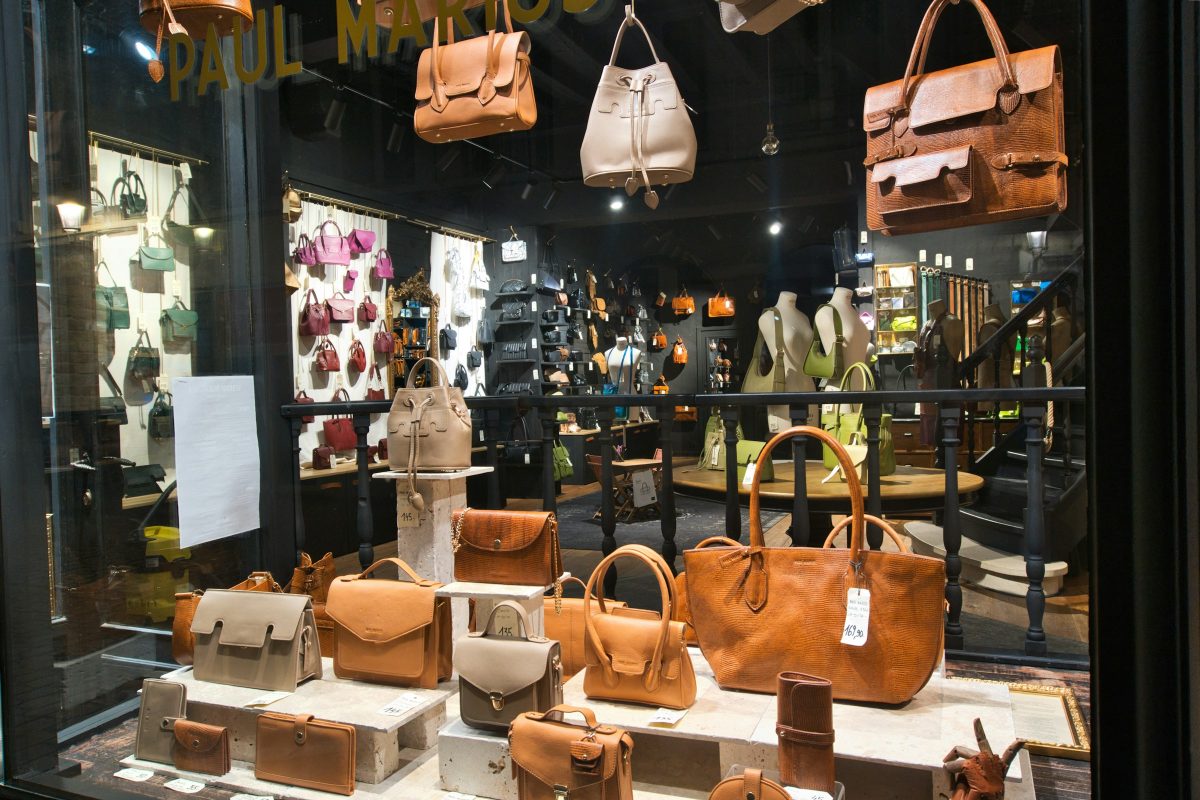
For a hypothetical leather-goods film, the creative team could ask the maker to explain one construction decision using an actual sample from the collection. Ask the maker to explain the seam’s position and demonstrate how it affects the finished item. The film provides enough detail for viewers to follow the explanation. Confirm that the sample matches the advertised product and that any production claim applies to the version customers can purchase.
Heritage deserves the same care when a campaign references a company’s history or a product’s relationship to an earlier design. Verify the date attached to an archive image. Establish who created the item shown and how it relates to the current collection. The story can use documented continuity as evidence, with the art direction making the historical material legible within the film.
Plan for the Audience You Will Reach
Dubai campaigns may address residents as well as visitors, so the production brief should identify the intended audience and the language in which people will encounter the work. The destination alone supplies limited evidence concerning taste. Use customer research relevant to the proposed audience, then ask qualified language reviewers to assess the script in context. Reviewers should see the images beside the wording they are assessing.
Distribution affects how much explanation a film can provide, especially when the proposed story relies on a product detail that needs time on screen. Prepare the shorter edit during script development. Decide which scene communicates the intended message within the shorter running time. Someone’s Studio describes its campaign production as work on related media assets. Specify the intended use for the main film and shorter versions when discussing the production scope.
Audience testing should ask what viewers inferred concerning the product and the person depicted, with questions tied to the campaign’s stated purpose. Show a proposed treatment to appropriate participants and ask them to describe the buyer they imagine. Request the particular image or phrase that led to that interpretation. Record answers in their own words so a creative team can investigate an unexpected association.
Prepare a Brief the Director Can Use
Your luxury campaign brief should state the purchasing motive, supported by customer evidence, and include the product information available for the proposed story. Assign unresolved factual questions to someone who can confirm them, with an answer date that precedes script approval. Pending confirmation for a manufacturing claim may affect which scene the director can propose.
During approval, compare the proposed treatment with the customer evidence whenever colleagues disagree over the person depicted or the story’s setting. If interviewees described private enjoyment, a scene centered on public admiration would introduce a different motive. The team would need to explain that choice or revise the scene. Keep the customer finding beside the relevant script passage so reviewers can examine the connection.
Someone’s Studio’s brand-centered creative work connects production decisions with the client’s identity, which makes the buyer’s motivation useful material for an initial conversation. Share the proposed campaign’s audience and the product story through the Studio inquiry page. Include the customer evidence available to the team so the discussion can proceed to a treatment grounded in the product and its intended buyer.