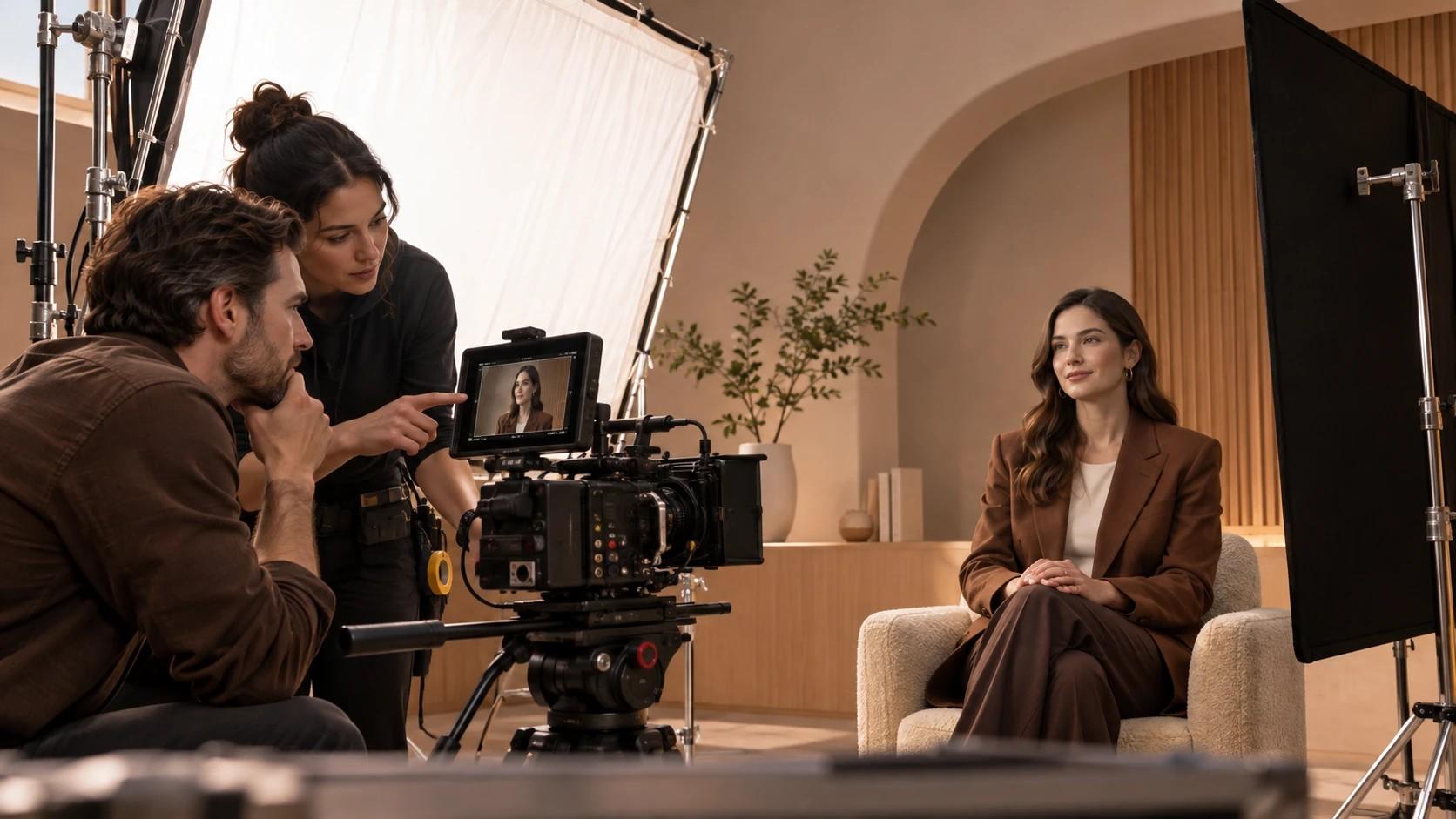
The same face can appear open and conversational beside a broad light source, then acquire deeper facial shadows when a dark panel absorbs the light returning from the opposite wall. Technical usability leaves the creative choice open: which image suits the speaker's message and remains convincing throughout the filmed action? For a brand director commissioning studio lighting for commercial video, that decision deserves discussion during creative preparation.
Equipment names offer limited help when the client is trying to describe a desired image to a production team. More useful feedback identifies where the viewer should look and what needs to remain readable. Someone's Studio connects creative decisions to the brand's public identity through its brand-led production work. Light belongs in that conversation alongside the performance, with an agreed visual reference available when the crew builds the set.
Start with the Scene's Communication
Interviews introducing a company's leadership require a different lighting discussion from a product film examining a reflective metal surface. For the interview, the speaker's eyes need to be sufficiently visible through the planned head movements. Read the product's curve in the bright reflection that travels across its surface. Agreement on what the audience needs to see establishes a useful reason for selecting a particular setup.
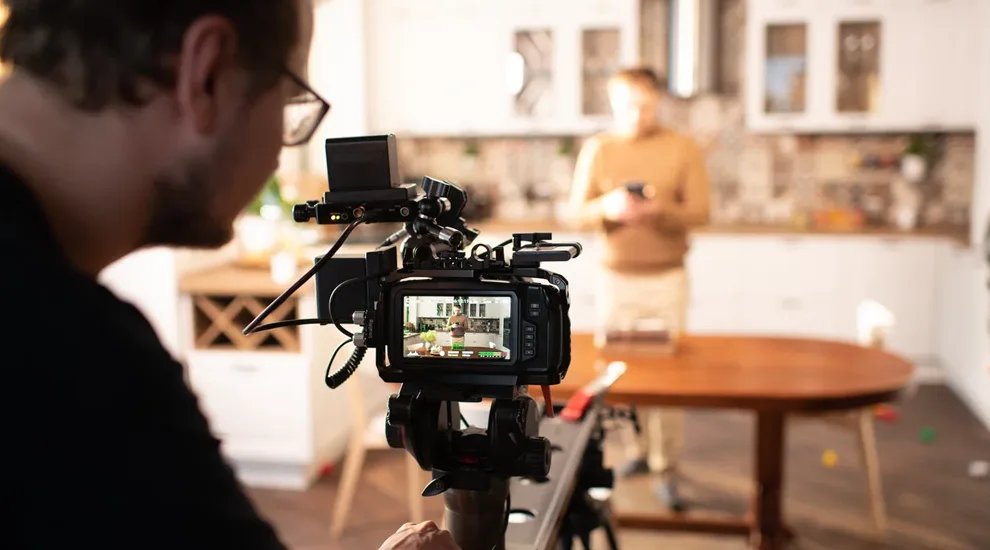
Describe the intended appearance in terms that the client can judge on a monitor during a short camera test. Facial shadows may remain visible along the cheek, or the treatment may call for more illumination across that area. Ask the crew to demonstrate background brightness separately, then approve the combined treatment on the actual subject.
Choose the Shadow Edge
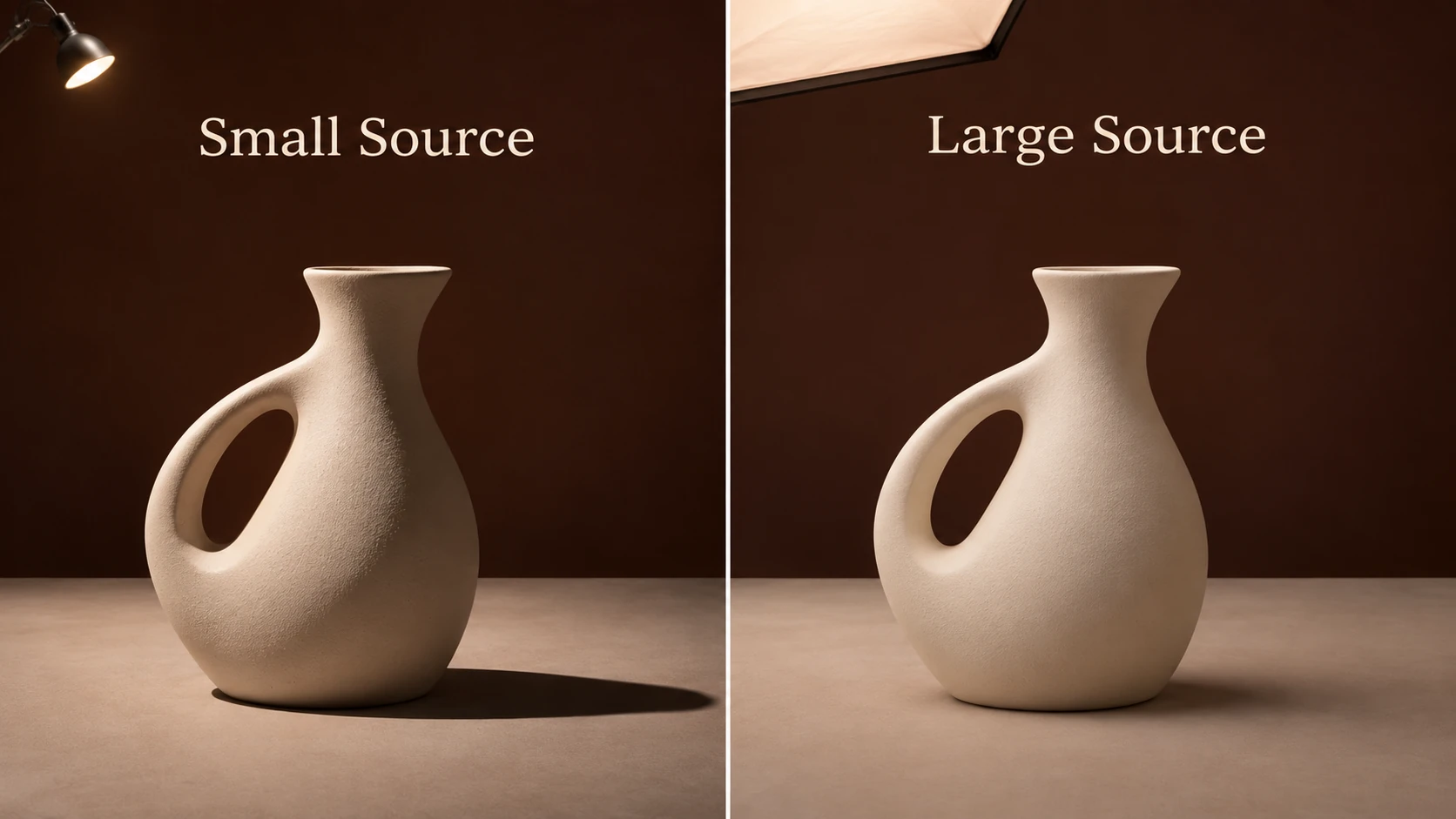
Shadow softness depends on the light source's apparent size as seen by the subject, which varies with the source's physical size and distance. ARRI's lighting handbook explains how a larger illuminated diffusion surface produces softer shadow edges than a small source. Greater distance means a small lamp occupies a smaller angle from the subject. To preserve soft shadow transitions farther away, the illuminated surface must increase in size.
When an interview calls for gradual facial shading, a broad diffused source provides a useful starting position. Across a textured object, a smaller source can make surface relief more apparent through distinct shadows. The selection remains a creative judgment tied to the actual material. Review the face or object at the final viewing scale, especially when small details carry the campaign's message.
Brightness and shadow softness require separate adjustments during a test, with the camera operator maintaining usable exposure as the arrangement changes. Adjust the lamp output for brightness; to change shadow softness, alter the illuminated surface's apparent size. Compare the adjustments separately, with exposure kept comparable between the samples.
Use Fill to Decide Shadow Depth
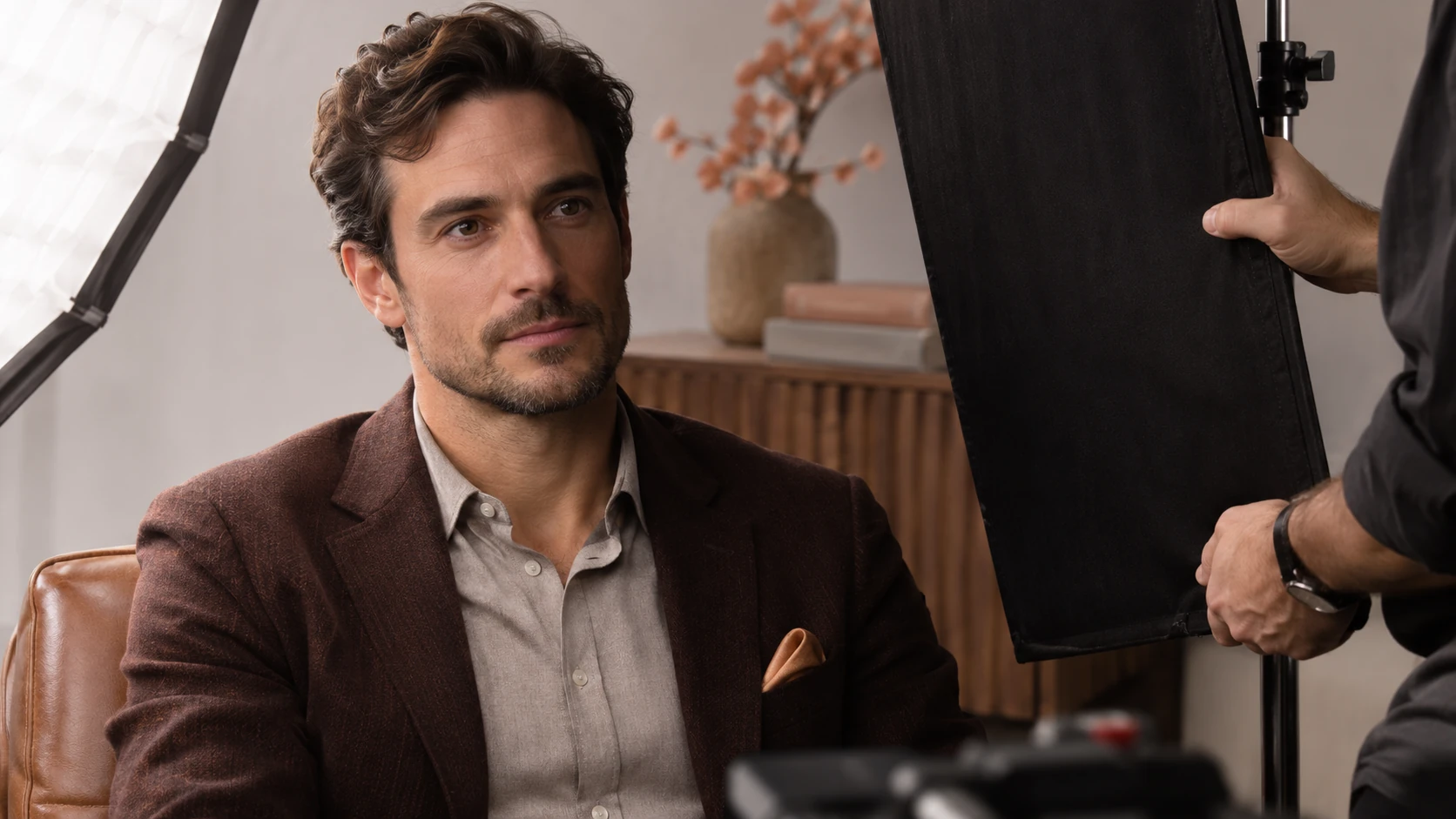
Light returning to the subject changes the shadow's depth even when the main light remains in the same position. White surfaces return light toward the darker side; against black fabric, much of that returning light is absorbed. Rosco describes the latter technique as negative fill, with flags among the tools used to reduce unwanted reflected light.
Deep facial shadows deserve a test with the actual speaker and the intended wardrobe, particularly when a dark jacket occupies much of the frame. When the speaker turns, one eye may become harder to read. The crew can move the black panel farther away or introduce a small return from a white surface. Judge the adjustment during speech so that approval includes the person's natural movement.
For a useful comparison, keep the camera position fixed while the crew changes the return light beside the subject. Review the eyes and cheeks, then watch how the jacket separates from the background. The preferred balance may retain a dark garment's shape while preserving the intended facial contrast, with the final decision recorded as a reference frame for later shots.
Decide the Background Illumination
Background illumination affects the viewer's reading of the subject, especially when clothing and scenery have similar tones across a large area. Nikon's video-lighting guidance describes an accent light as a way to add illumination around the subject. Assess its position and intensity on the actual set, where excessive brightness around hair can distract from a quiet interview treatment.
Set illumination should follow the scene's visual logic when a visible table lamp or window suggests where light originates. To support that impression, the cinematographer positions the subject's main source accordingly and limits illumination on background details to the composition's requirements. In a brand film, a decorative fixture may remain visible for context while the production light supplies the exposure needed for the performer.
Separate background tests are particularly useful when the finished video will carry captions beside a person's face or a product demonstration. Bright patches behind that area can compete with the text; for the camera test, use the designer's intended placement. Add a sample caption overlay for a direct review during setup approval.
Test the Whole Action
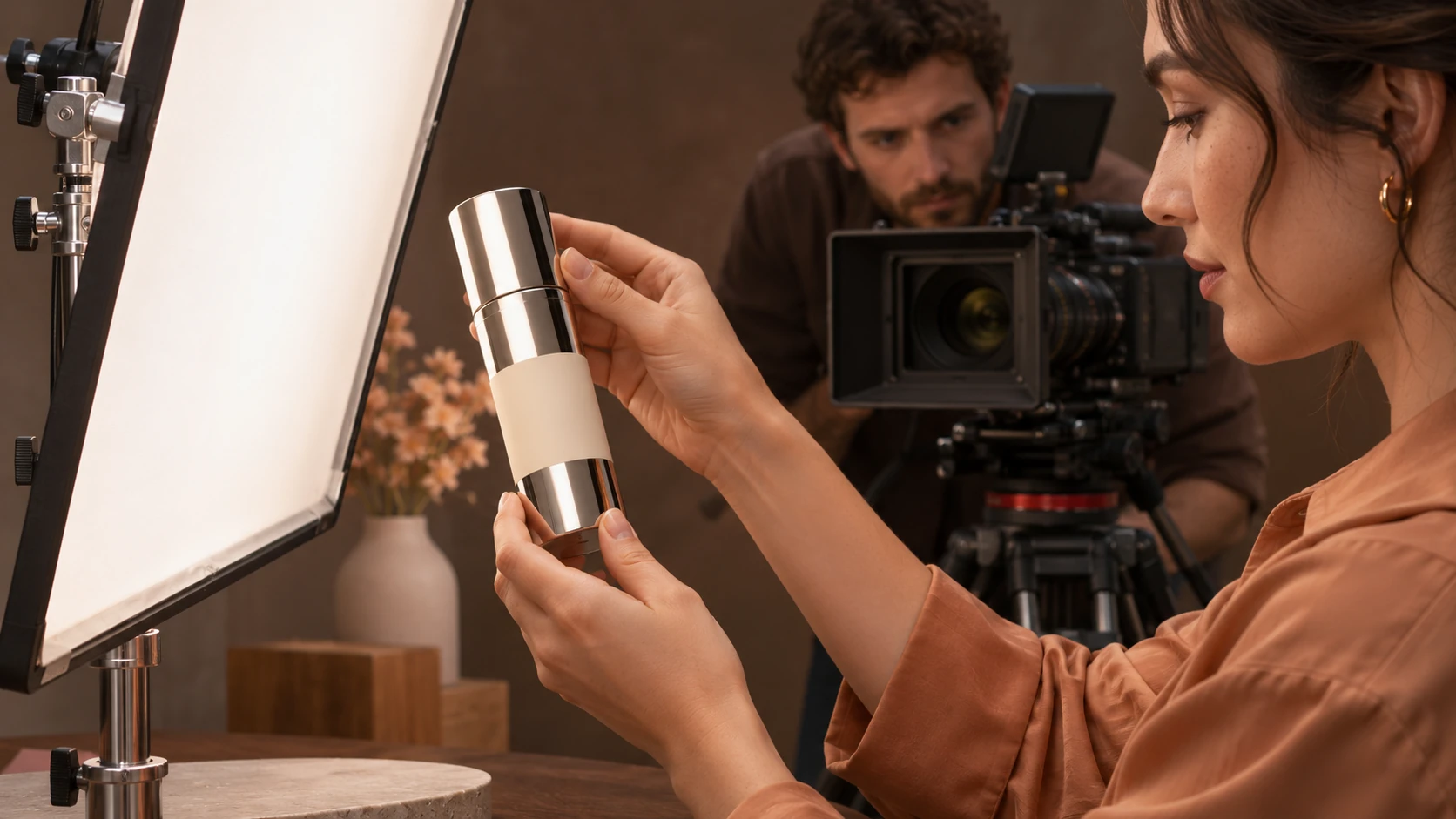
Illumination approved for a stationary opening frame needs another review when the performer reaches toward a product or walks across the set. Record the full movement at the intended pace to see where shadows cross the face. Across reflective packaging, a bright patch may obscure the label at the moment the viewer needs to read it.
In a hypothetical product demonstration, the presenter lifts a metal container from the tabletop and rotates it toward the lens. Halfway through the rotation, a bright reflection covers the product name that was readable in the starting position. After adjusting the diffusion angle, the crew repeats the complete action. The complete clip becomes the approved reference for label visibility throughout the demonstration.
Movement tests deserve time in the production schedule when the campaign depends on an exact action with an object or garment. After a change to the performer's position, allow for another camera rehearsal. Retain the approved movement in subsequent takes, with the lighting crew informed whenever the action changes. Check additional coverage from the second camera position.
Check Color and Recorded Motion
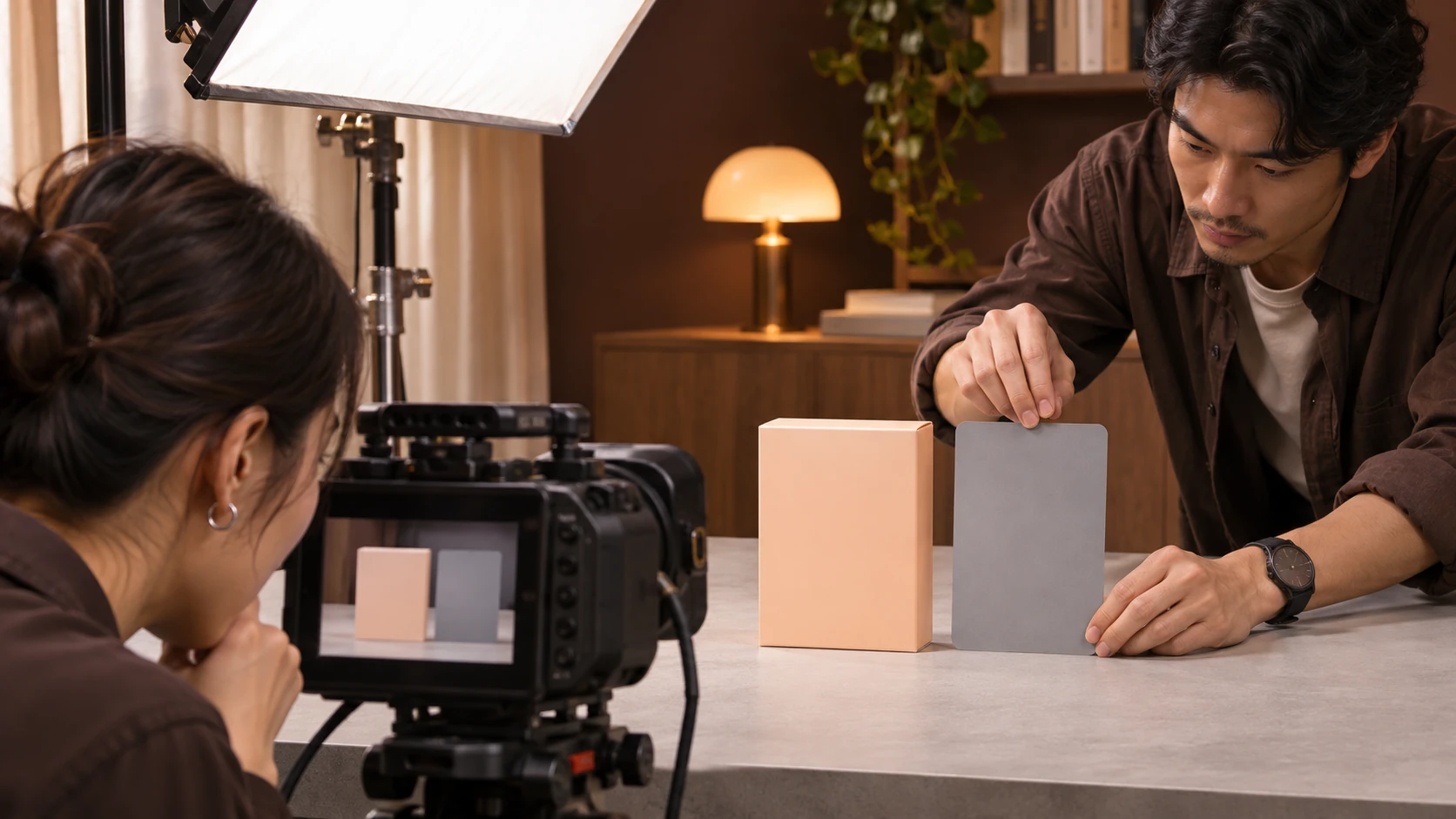
Mixed sources need a deliberate color decision when the scene contains daylight alongside a warm decorative lamp or another source with a different appearance. Adobe's video guidance discusses color temperature and the changing character of natural light. Photograph a neutral reference at the subject position to assess the intended balance. Camera settings and the review display should remain consistent during comparisons.
Color choices have commercial consequences when the film shows a product whose packaging must resemble the item a customer will receive. Use the brand's approved sample during that test. Review the packaging beside its recorded image on the agreed display, then discuss any intended creative color treatment with the client. Product illumination can receive a separate adjustment within a scene that retains a warm background.
Artificial light can produce flicker in recorded footage even when the set looks stable to the people working inside it. Sony documents flicker during movie recording with certain light sources. Test the actual fixtures at the planned recording settings for normal-speed footage and any slow-motion shot. Recorded test clips supply evidence for selecting suitable settings or a different source.
Approve the Treatment with Someone's Studio
The production brief should include the chosen reference frame and a description of the subject's required movement so the lighting plan supports the intended commercial message. Someone's Studio's creative work begins with the brand, with production choices developed around its communication purpose. Restrained interviews and product demonstrations merit separate visual decisions within that same brand direction.
Share the proposed scene through the Studio contact page, together with the intended publication format and an example of the desired image. After discussing the production requirements, the team can prepare a quotation for the agreed scope. Test approval should identify the facial details or product information that the final film must retain throughout its action.