Product Shoot Preparation: What Brands Should Do Before Studio Day
A commercial shoot can lose valuable time over very small product issues. Dust on glass, a dented box, an old label, or a missing cable can slow the whole studio day.
Good product photography preparation starts well ahead of the camera call time and gives the photographer better material to work with. Someone’s Studio works with brands that bring physical products into the studio for packshots, e-commerce images, product launch content, lifestyle photography, and commercial campaigns.
The basic idea is simple. Bring the best possible version of the product. Bring enough backups. Bring the latest packaging. Give the production team a clear shot list. Small preparation choices can save hours once the lights are up and the crew is ready.
Decide Which Products Are Heroes and Which Are Supporting Items
Start with priority.
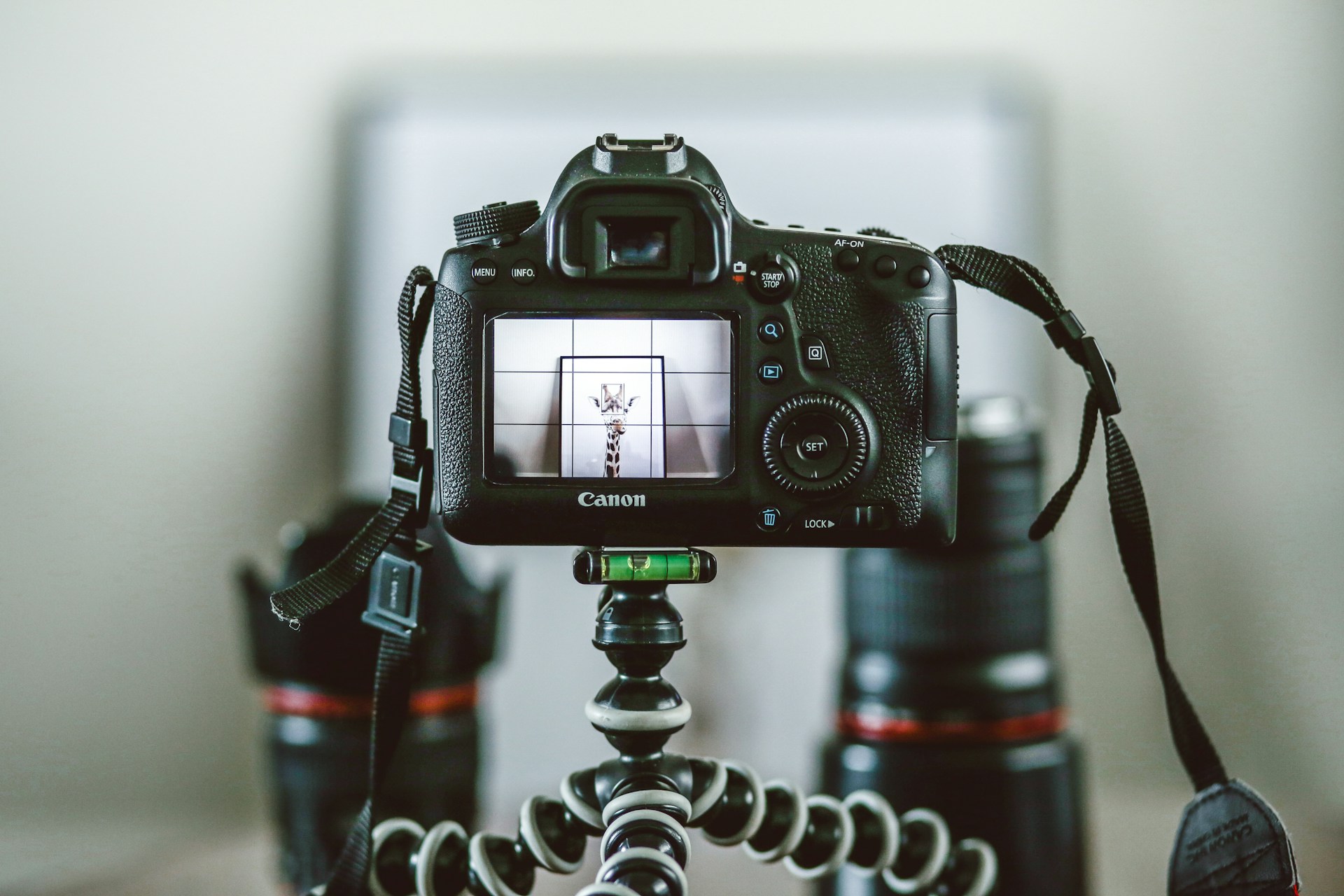
Hero products deserve the cleanest samples and the most preparation. They usually appear in campaign key visuals, website banners, launch material, or paid advertising. Supporting products may appear in grouped images or secondary content.
Hero product selection also helps the crew plan time. A limited-edition item may need more close work than a standard catalog product. A new launch may require several angles and detailed photographs.
List products in priority order before the shoot. Marketing teams can then agree on which items deserve the greatest share of camera time.
Inspect Every Sample for Scratches, Dents, Dust, and Defects
Studio lighting can expose tiny problems very quickly.
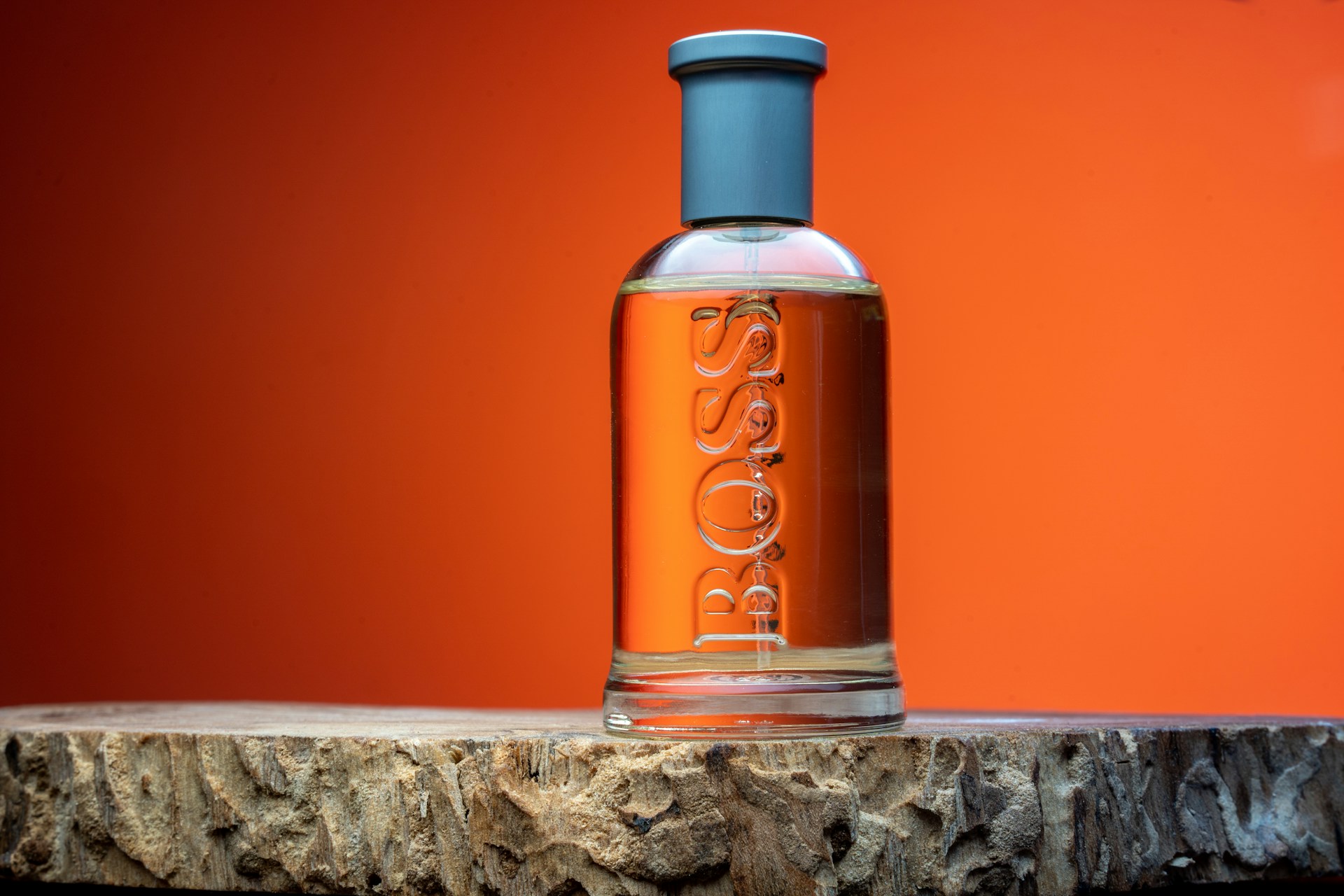
Glossy surfaces show fingerprints. Metal can show small scratches. Packaging can show dents that look harmless in normal office light. Transparent materials can expose dust from several angles.
Pre-shoot product inspection gives the brand time to swap weaker samples for better ones. Look at the product under strong light. Check corners and surfaces. Inspect packaging edges and labels.
Product samples for photoshoot days should feel presentation-ready before they leave the office or warehouse.
Clean, Steam or Press Products So They Look Shoot-Ready
Cleaning depends on the product.
Glass and polished metal need fingerprint-free handling. Clothing and fabric products may need steaming or pressing. Soft goods may need lint removal. Shoes may need surface cleaning. Cosmetics may need packaging wiped before close photography.
Use gloves for products that collect fingerprints easily. Keep microfiber cloths nearby. Bring lint rollers for fabric work.
Product cleaning and steaming may sound basic, but the camera sees more than the eye notices during normal handling.
Clean samples give the photographer a better starting point and reduce unnecessary product retouching later.
Check Labels, Logos, and Packaging Against the Latest Artwork
Packaging changes happen fast.
A label can receive a small update days before launch. Legal copy can change. A barcode can move. Logo placement can receive a revision. Old artwork can still exist on physical samples.
Compare every hero unit against the latest approved brand guidelines and packaging artwork.
Check spelling and logo placement. Review color and label position. Confirm that the correct product variant appears inside the correct package.
Packaging and labels matter, especially for packshot work and white-background product photography, because viewers can easily inspect details.
Charge, Fill, or Set Up Working Products So They Are Demo-Ready
Working products should arrive ready for use.
Electronic items need power. Screens may need demo content. Devices may need updates and accounts prepared in advance. Rechargeable products should arrive with full batteries.
Food and beverage products may need filling close to the shoot time. Dispensers and pumps should work properly. Appliances may need accessories and power adapters.
A demo-ready product gives the crew more options. A product video can show actual use. Lifestyle product photography can show the item in a believable situation.
Check operating instructions before the shoot day and share them with the production team when the setup has any special requirements.
Bring Backup Units, Props, and Reference Images That Match the Brief
Backup product units can save a shoot.
Packaging can get damaged during transport. Food products can lose their appearance. A bottle can pick up fingerprints. A fragile item can break. Spare samples give the crew another option immediately.
Bring duplicates for hero products when possible.
Product props should follow the approved concept. Lifestyle photography may need surfaces or supporting objects. Packshot work may need fewer elements.
Reference images help too. Bring campaign references and approved visual examples. A clear reference can save a long explanation when the crew needs to
understand the intended frame.
Pack, Label, and Transport Products Safely to the Studio
Transport deserves real planning.
Use boxes that protect corners and polished surfaces. Wrap fragile items separately. Keep jewelry and small accessories in labeled cases. Clothing can travel in garment bags.
Label cartons by product category or shot order.
Large collections become much easier to manage when the crew can find the next product in seconds. E-commerce product images often involve many SKUs, so clear labels can save a surprising amount of studio time.
Keep hero items easy to reach. Spare samples can stay in a separate section.
Share a Shot List and Product Order Before Shoot Day
A shot list tells the crew what needs to happen.
Include product name and SKU where relevant. Add the required angle and final use. Note whether the image needs a white background or a lifestyle setup.
Product shoot planning becomes much easier when the list follows the intended shooting order.
Similar lighting setups can sit next to one another. Products with the same background can stay grouped. Hero products can receive more time early in the
day.
Send the shot list to the photographer and studio team before arrival. The crew can then prepare tables and lighting around the actual schedule.
What a Product-Ready Photography Studio Should Offer: Tables, Lighting, and Private Space
A product photography studio in Dubai should support practical commercial work.
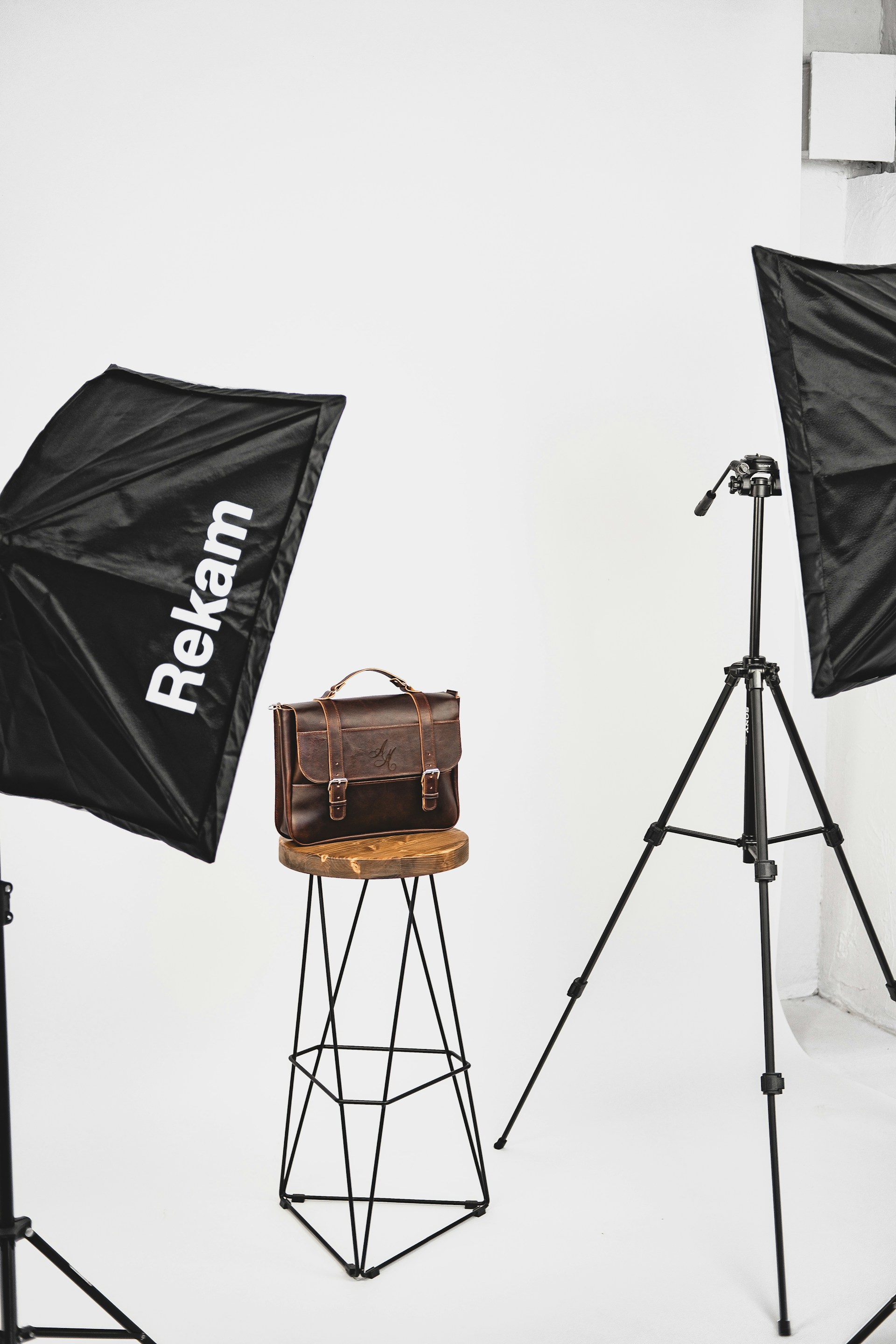
Tables matter for small products. Good lighting access matters for everything.
Enough shooting distance helps with larger items. Private space gives brand teams a place to organize stock and review images.
Product photography lighting should support different materials. Glass and metal need a different treatment from fabric or food. Small products may need close light placement. Larger items may need more working distance.
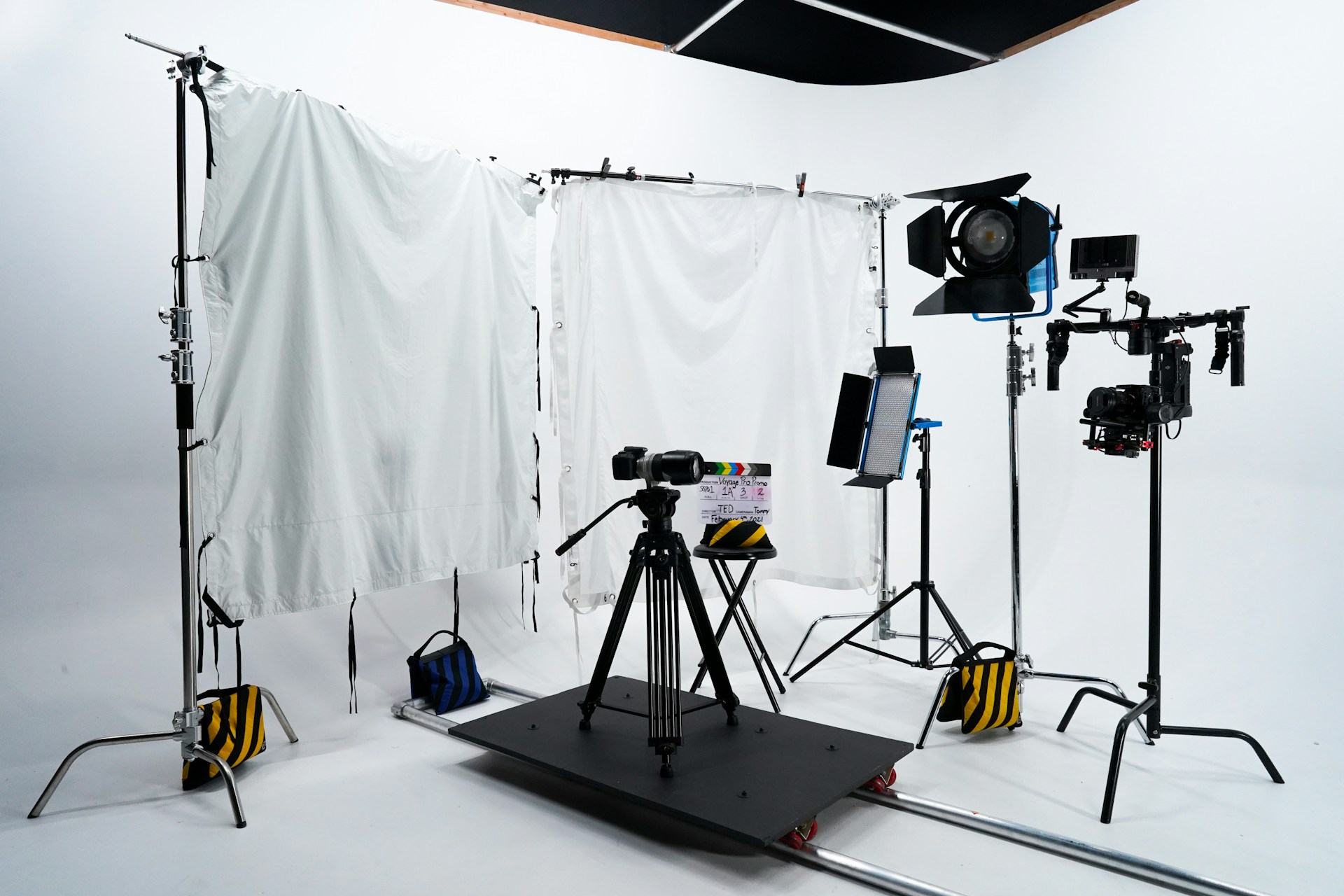
A useful studio should also give the crew space for packaging and props. Product boxes need somewhere to sit away from the main set.
Someone’s Studio supports product shoots that need photography space and commercial lighting. Brand teams can plan packshots and lifestyle content during the same booking when the brief calls for both.
Product Shoot Preparation for E-Commerce and Campaign Work
E-commerce projects usually need consistency.
Products should arrive in the same condition. Labels should face the same way.
Variants should follow the shot list. White-background product photography can then proceed at a steady pace.
Campaign work may need more variety.
Creative product photography can include props and branded surfaces. Luxury products may need more time for reflection and detailed work. Product launch content can include hero images and supporting social media material.
Knowing which category the shoot belongs to helps the brand prepare the right samples.
Keep Retouching in Mind During Product Preparation
Retouching can clean small imperfections, yet good physical preparation still saves time and budget.
Photo retouching can remove dust and minor marks. Image editing can help with background cleanup and color correction.
A well-prepared product reduces repair work for the retoucher and helps the final image stay closer to the real item.
Product photography for e-commerce benefits greatly from that accuracy because customers compare the image with the item they receive.
Build a Simple Commercial Product Shoot Checklist
A useful commercial product shoot checklist can stay short.
Confirm hero products and backup units. Check packaging and labels. Clean every sample. Pack props and reference images. Prepare the shot list. Share brand guidelines. Label product boxes. Confirm arrival time with the studio.
Keep a small product care kit with the collection. Gloves and microfiber cloths help with polished materials. Lint rollers help with clothing. Tape and small tools can
help with packaging or prop adjustments.
Simple preparation keeps the day moving.
How to Book a Product Shoot at Someone’s Studio in Al Quoz
Someone’s Studio in Al Quoz works with brands that need product photography and commercial content in Dubai.
Share the project brief first. Include the number of products and the type of images required. Send reference images when available. Add the expected crew size and preferred shoot date.
The studio team can then review the production needs and help plan the booking length. Product photography packages in Dubai can vary based on the product count and setup requirements. Lifestyle concepts and packshot work may need different production times.
Brand teams can also discuss product photography cost in Dubai based on the actual scope rather than a vague estimate.
A well-prepared commercial shoot feels much easier once the camera starts.
The products arrive ready. The shot list is clear. Backup units are nearby. Props
match the brief. The photographer can spend time on the image rather than fixing preventable product problems.
Someone’s Studio gives the team a place to work.
Good preparation gives them something worth photographing.
Replace the fragment-heavy opening. Add a stronger booking call to action.