When your host returns after a week away, the camera frames the chair from the spot your crew chose for the pilot. On the monitor, a new chair position changes the background and puts the lamp just behind the host’s head. Fifteen minutes disappear while the crew tries to match last week’s picture. The cost comes from having to solve the same visual problem on another production day. Set design can prevent the lost time when the crew agrees on how to rebuild the shot.
Decide What Permanent Means for Your Series
For a permanent YouTube set, decide whether permanence refers to the picture your audience sees or to the physical arrangement the crew leaves in place between bookings. The booking terms determine which plan your crew can use. If your shoot dates overlap with other work, the recurring picture can come from portable pieces rebuilt against a photographic record. Permanent installation calls for explicit booking terms and permission to leave it assembled. Ask what the agreement covers while your plan still leaves time to arrange space between recording dates.
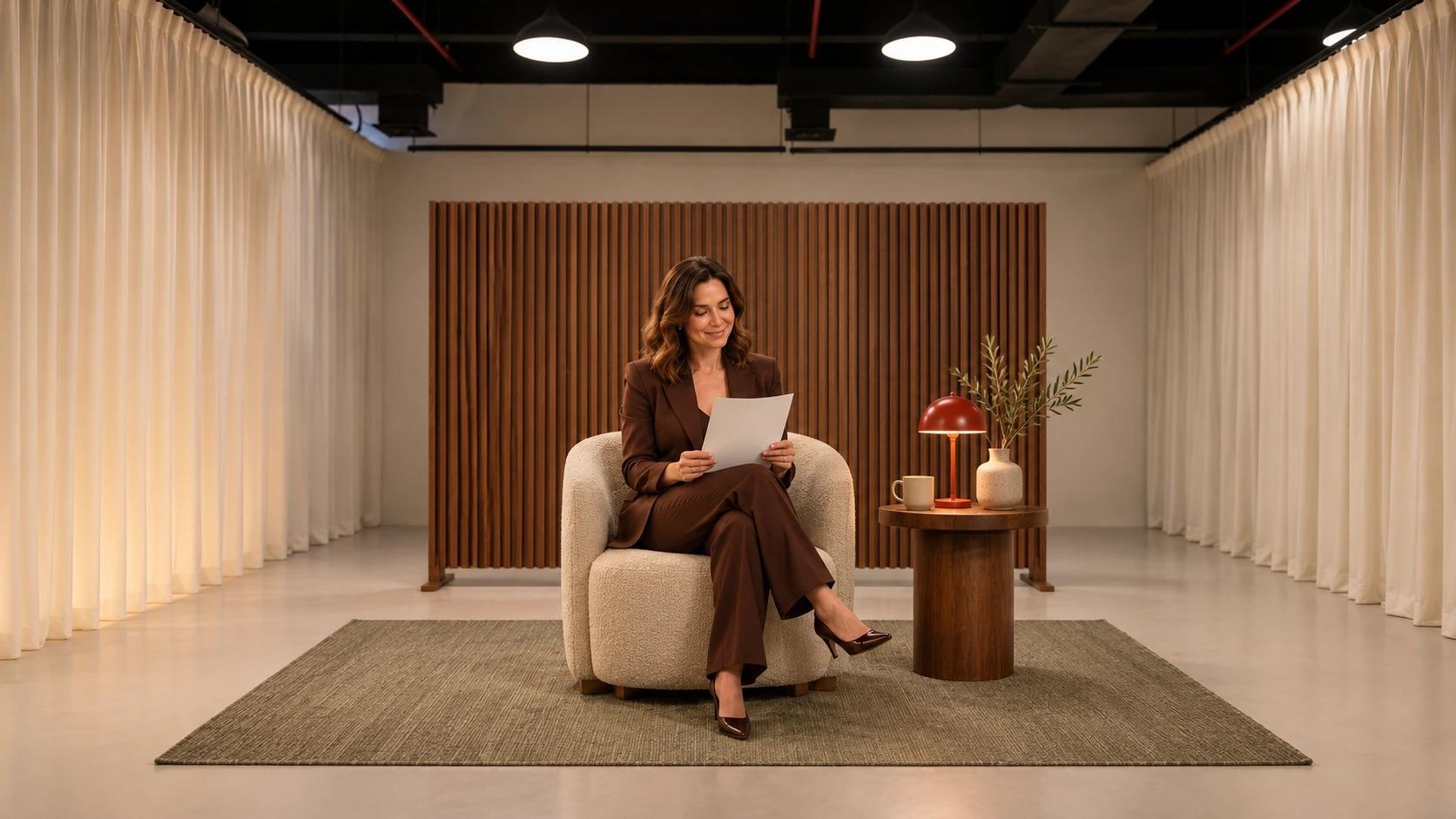
On a weekly panel covering neighborhood restaurants, the presenter might interview a guest one week and talk to the camera the next. Keep the cabinet behind the host in the same part of the frame so the guest remains the visual change. The guest chair can come out on weeks when the presenter works alone. Design both versions during the pilot and save a reference frame for each. Episode six can then start with a known image instead of a new furniture arrangement.
Draw the Shot First
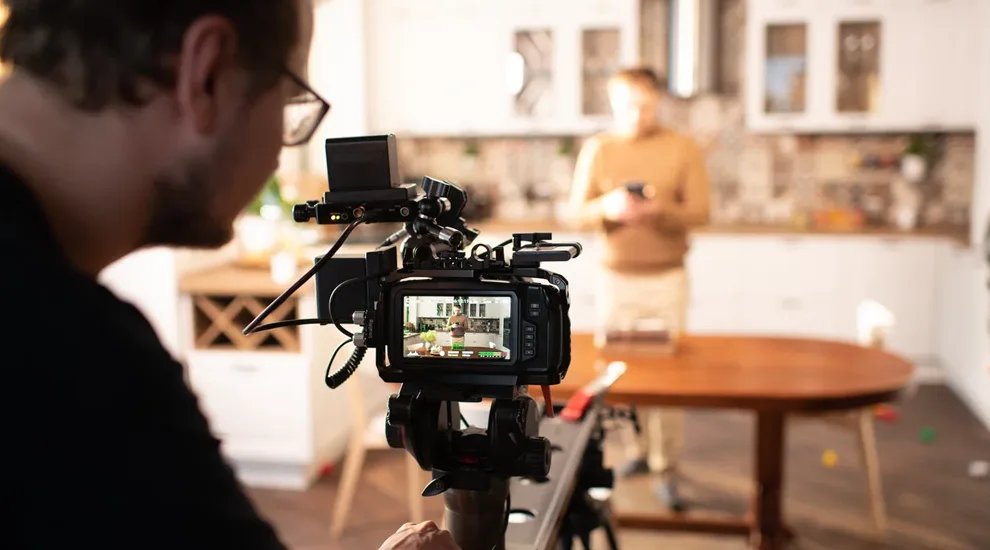
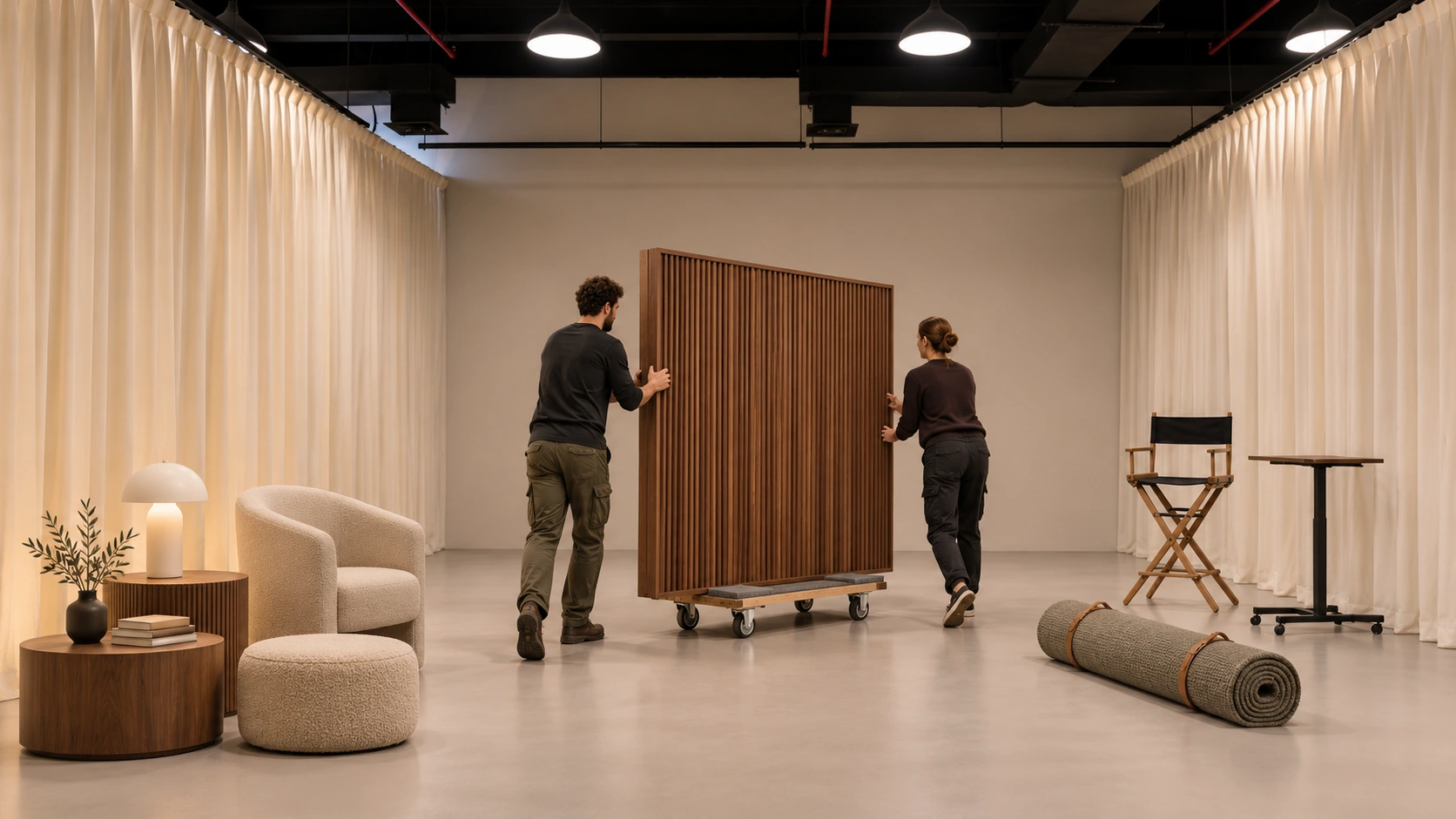
The host’s position relative to the lens determines how much furniture can appear in the shots your editor needs. Sketch the wide shot first and walk it through with the cameras you expect to use. Set two chairs at a natural conversation distance. Place a temporary divider where a real panel may go. Watch the monitor while the host turns toward the guest. The divider’s edge may enter the close shot even when it disappears in the wide shot.
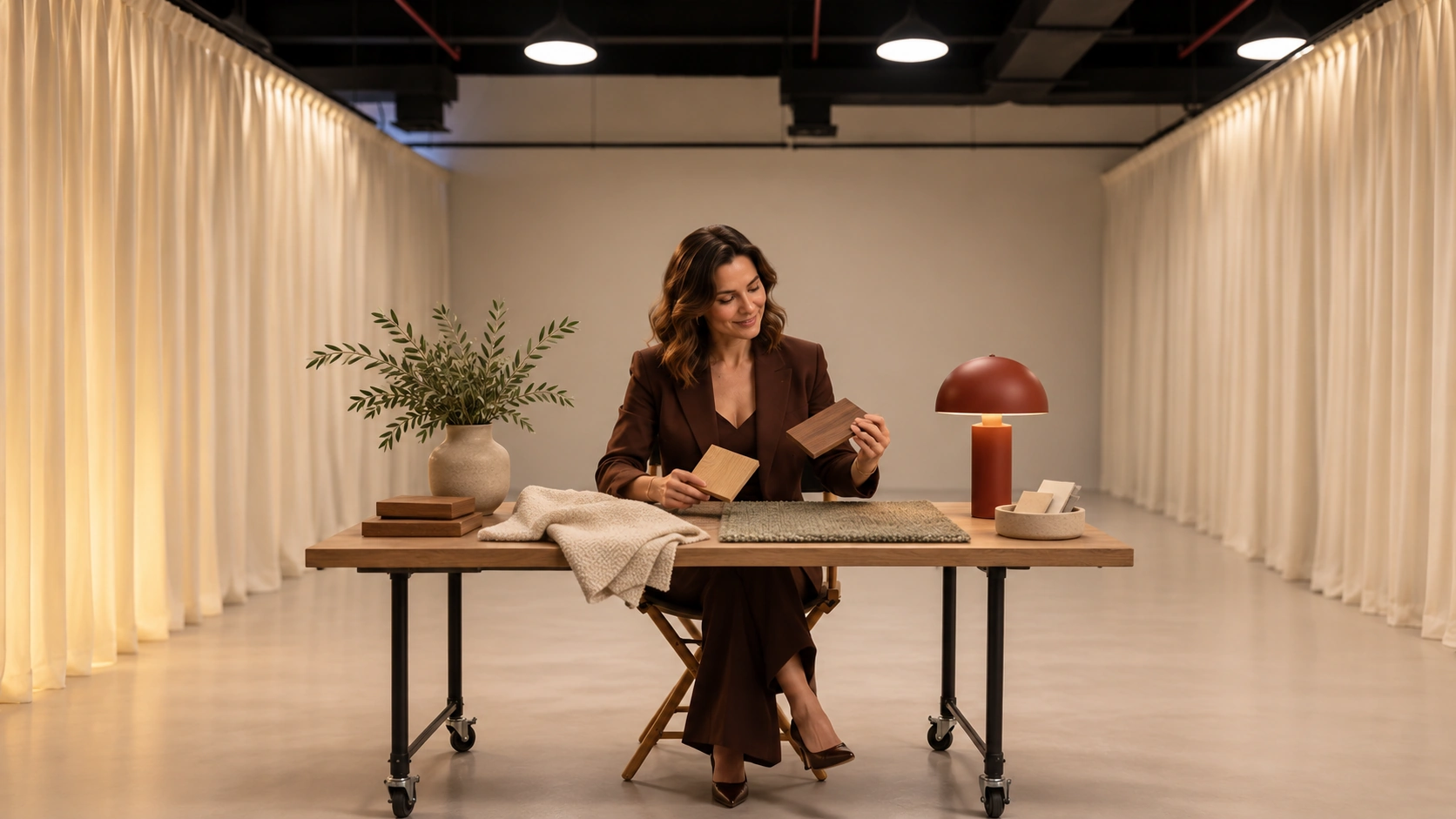
Producers sometimes approve a side table from a floor plan, only to find its glossy surface casts a bright shape across the presenter’s sleeve. Test finishes beside the actual wardrobe in a rehearsal shot. Matte paint on the lamp base might solve the bright patch and retain the lamp’s familiar outline. Keep a photograph showing the finish beside the wardrobe in the approved lighting. The designer can use it when selecting a replacement later in the season.
Reserve Space for the Crew
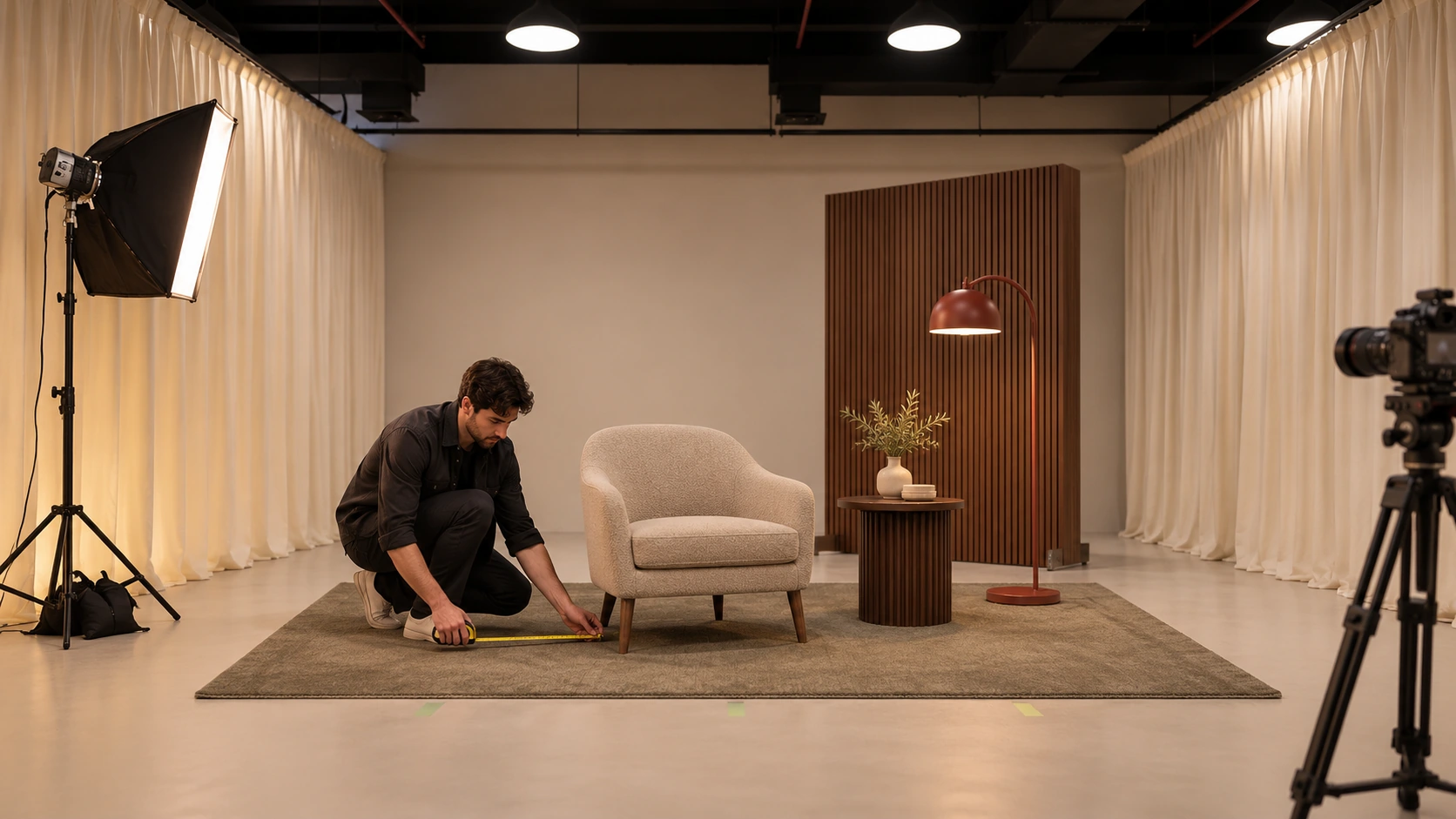
Leave enough space behind the cameras for operators to exchange positions and for the crew to reach a light during an interview setup. Walk the perimeter during the rehearsal, especially where a guest enters to take a seat. Measure doorways and the turning area on the production route with the widest prop in mind. Two narrower panels may turn on a cart where a long panel would snag. Finish their join so it falls outside the planned close shots.
Cable routes warrant early discussion when the setup includes a powered lamp near the presenter and equipment behind the guest. Talk with the production lead and walk the route people take during a reset. Have the floor plan reviewed by the people responsible for the site and equipment. Ask the team to make the furniture plan and the route plan agree while the footprint is still easy to change.
Use a Short Recording to Choose the Final Set
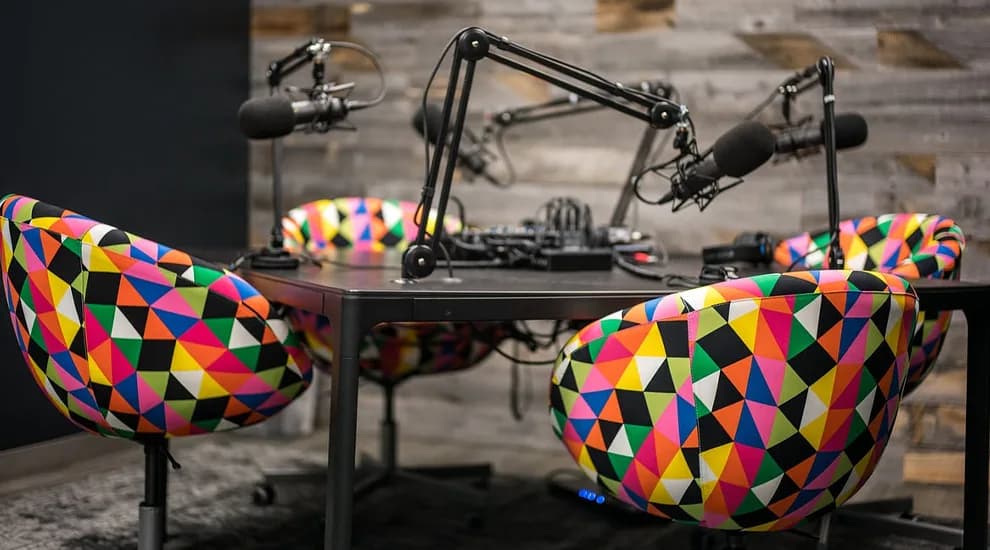
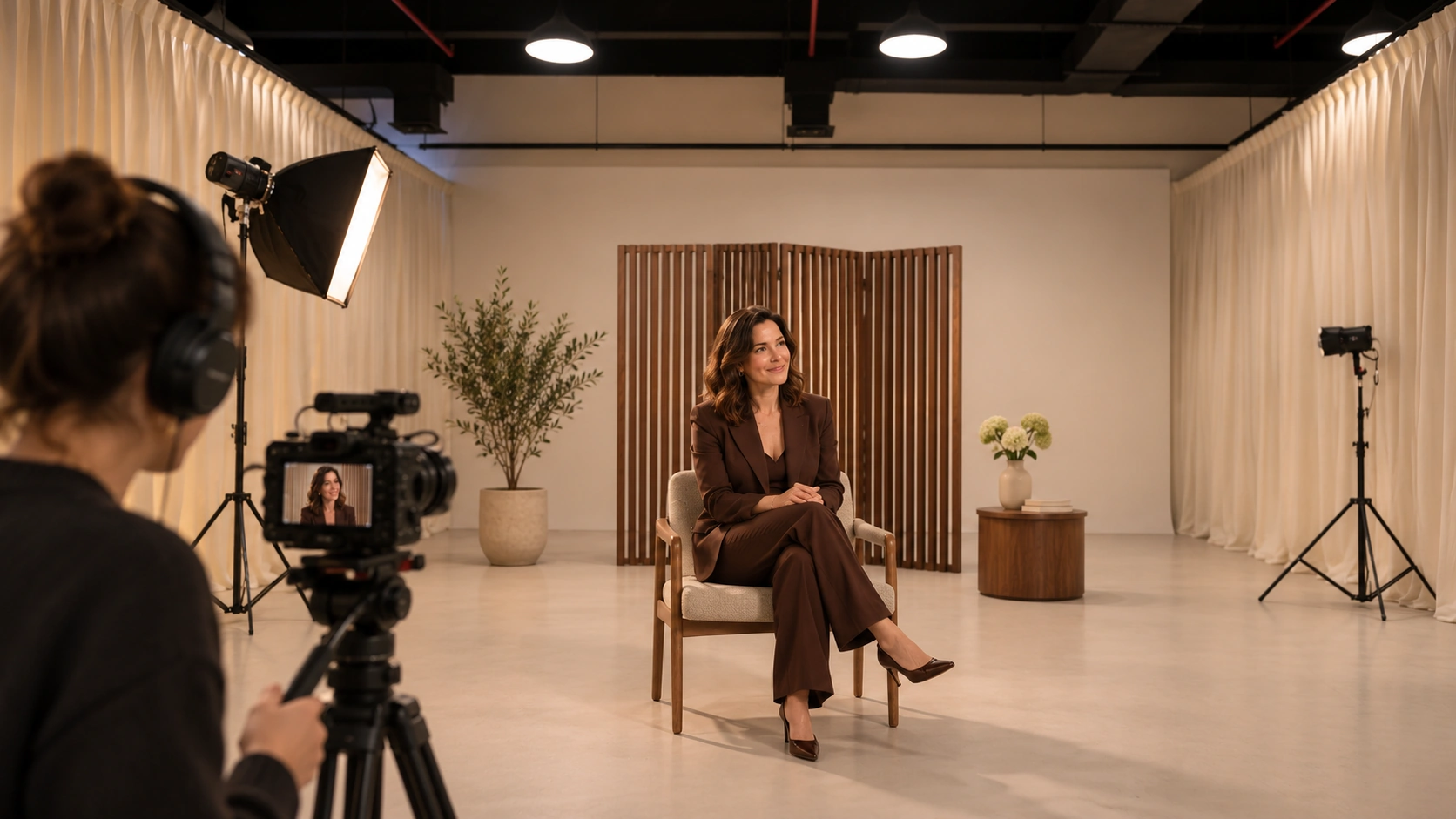
Spend part of the first session on a short scene with the host’s usual delivery and an exchange with a guest. Play it back on headphones to hear the floor and furniture while people settle. Check whether a cup sounds too loud against the tabletop. Watch the same passage through the angle the editor would use for the guest. Fabric can look right in a close shot and still create friction near a microphone. Exchange the prop or fabric after listening to the recording.
Test the wide episode view alongside a vertical crop if clips are part of the channel's release plan. YouTube’s Shorts guidance explains which square or vertical uploads count as Shorts. Presenters near the outside edge in a horizontal shot may disappear from a narrow crop. Move the relevant furniture closer to the presenter or plan a second camera angle. Save the sample vertical export next to the approved wide frame so the editor can rebuild the crop during the next edit.
Keep a Set Record the Next Crew Can Use
Write down the information a replacement crew needs to get back to the approved picture on a regular production morning. Use a wide photo with the furniture in position and a clean reference frame from the camera. Add a floor sketch with distances measured from a fixed wall. Photograph the lamp’s position in relation to the chair when its glow should land on the background. Store those references in the project’s shared production folder so they stay available when people rotate.
The crew member responsible for the set can verify the scene against the approved frame while the host is still preparing. Open the pilot frame and compare where the back edge of the chair meets the background. Put the current image beside the approved frame while adjustments are easy. Save the lens and height notes with the image if the production uses repeat camera positions. Lens settings alone leave the next operator guessing where the camera was placed.
Save the Pieces Your Audience Actually Sees
Consider replacing a large custom panel with two smaller pieces when the cameras see only a section behind the host. Part of the floor can remain available for the crew, and a spare piece can travel in the same vehicle as the set. Photograph the outer edge from the widest camera position to check where the illusion ends. The close shot can keep its familiar appearance while the crew packs fewer bulky pieces.
Agree on Reset Time and Set Ownership
Ask for separate quote lines for set fabrication and the work required to return the set to camera-ready condition. Have the quote specify whether furniture and panel transport recur on shoot days. If the production team proposes keeping items assembled or storing them between dates, ask who approved the arrangement and where the items would go. Confirm access times and who meets the crew for the reset. Review the proposed arrangement during the creative production discussion while the set is still on paper.
If your program has a regular sponsor, keep the sponsor panel removable so the set stays familiar when the contract changes. Record the replacement panel’s dimensions and identify who keeps the fabrication file. Separate the items your team owns from pieces supplied for a particular session. When a lamp goes out of stock, photos and measurements help you find a replacement that occupies the same spot in the picture. Agree on who approves the replacement while the crew still has time to order parts.
Choose One Scene to Rehearse
Pick a scene your show will record often and write a short brief for how it should look when the host starts speaking. Include the planned frame and one reference for the furniture. Assign someone to recreate the layout after a partial reset and time the work. Ask the editor which visible elements read as part of the program and which just distract from the host. The rehearsal can settle what belongs in the version you pay to use all season.
For a recurring recording in Dubai, send Someone’s Studio your proposed shoot dates and one sample frame. Tell the team which set pieces would travel with you and which production arrangements you would like to discuss. Keep the floor plan and intended camera positions ready for the conversation. The next useful decision is whether your program needs an assembled set between shoots or a picture your crew can recreate.