Fashion campaign photography in Dubai begins with a creative question for the designer and art director to discuss together: how does the brand want someone to read the clothes in the lead advertisement? In a fitting, a loose sleeve may fall across the cuff that the designer wants the advertisement to show. Ask the model to repeat the gesture with a slight change in arm position. If the cuff becomes visible, reassess the photograph for the attitude the campaign needs to convey.
For an eveningwear collection, a model paused at a doorway offers a scene that suggests the anticipation as someone prepares to leave home. Position the model during a fitting to see how the dress behaves in that pause. When the model rests a hand on the doorframe, the dress may pull across the waist. Choose the pose based on the collection's character and the details the audience needs to see.
Choose What the Lead Photograph Says
When a campaign brief describes the collection as relaxed, the team needs to translate that description into a visible choice concerning the clothing and its wearer. Ask the art director to explain the proposed gesture in ordinary language. If a model's raised arm pulls a supposedly relaxed jacket tight across the shoulder, the photograph suggests a different relationship with the garment. For the test, try a lower arm position and compare the fabric's appearance.
Someone's Studio's brand-centered creative work connects the client's identity with production decisions, a relevant starting point for a fashion campaign's photographic direction. In the brief, describe the customer the campaign addresses and the intended use for the clothes. Supply approved product information alongside that description, so the photographer has a factual basis for deciding which details the lead photograph should show.
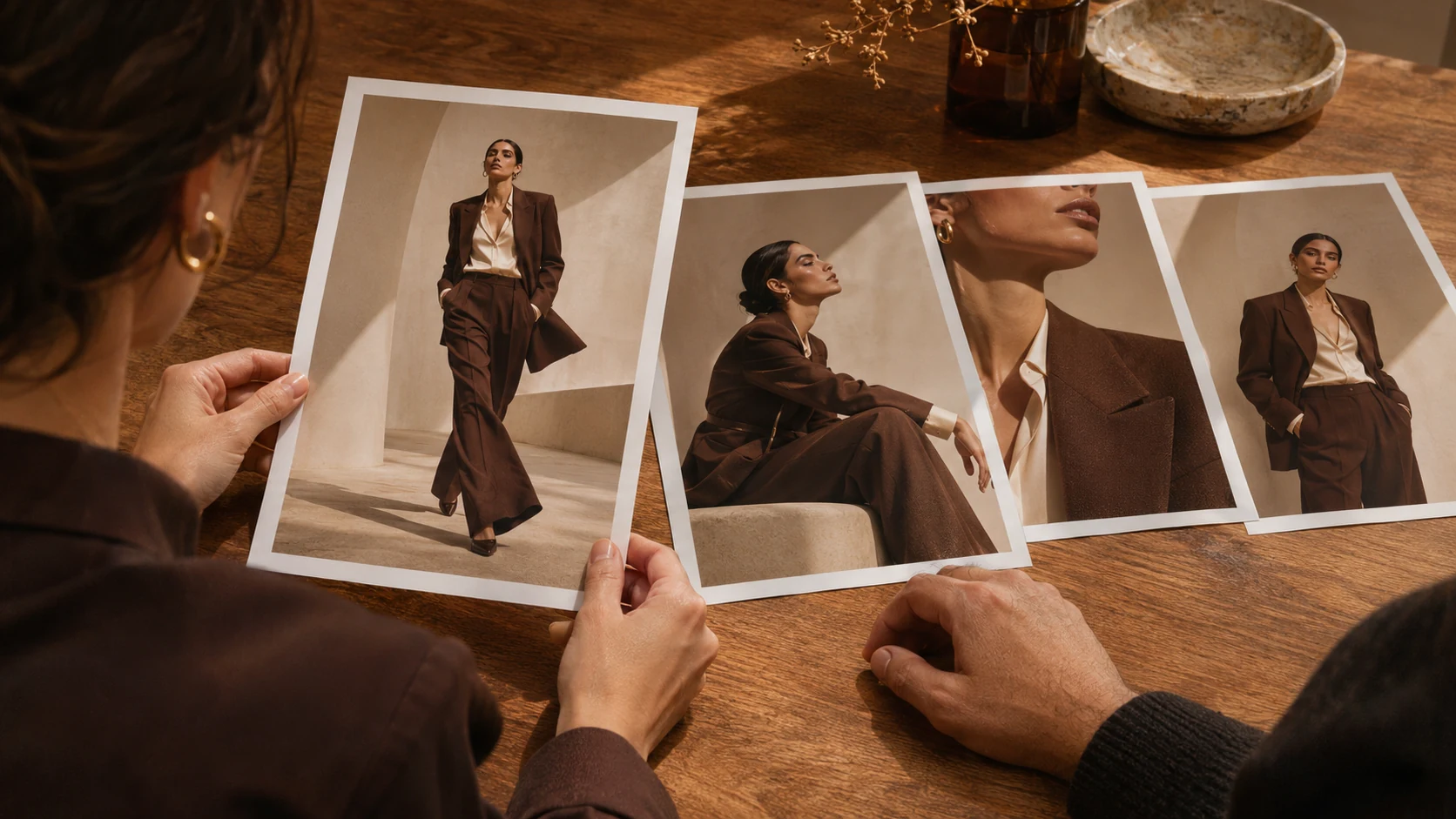
Read the Clothing During Concept Development
While a concept is still in development, compare the views the designer needs with the poses the art director proposes, since a forward lean may hide the jacket's lapel. As the model turns, a different view shows the relationship between the lapel and the neckline. Review the images with the designer during the fitting, then record the approved pose in the photographic treatment.
Check the Garment in Motion
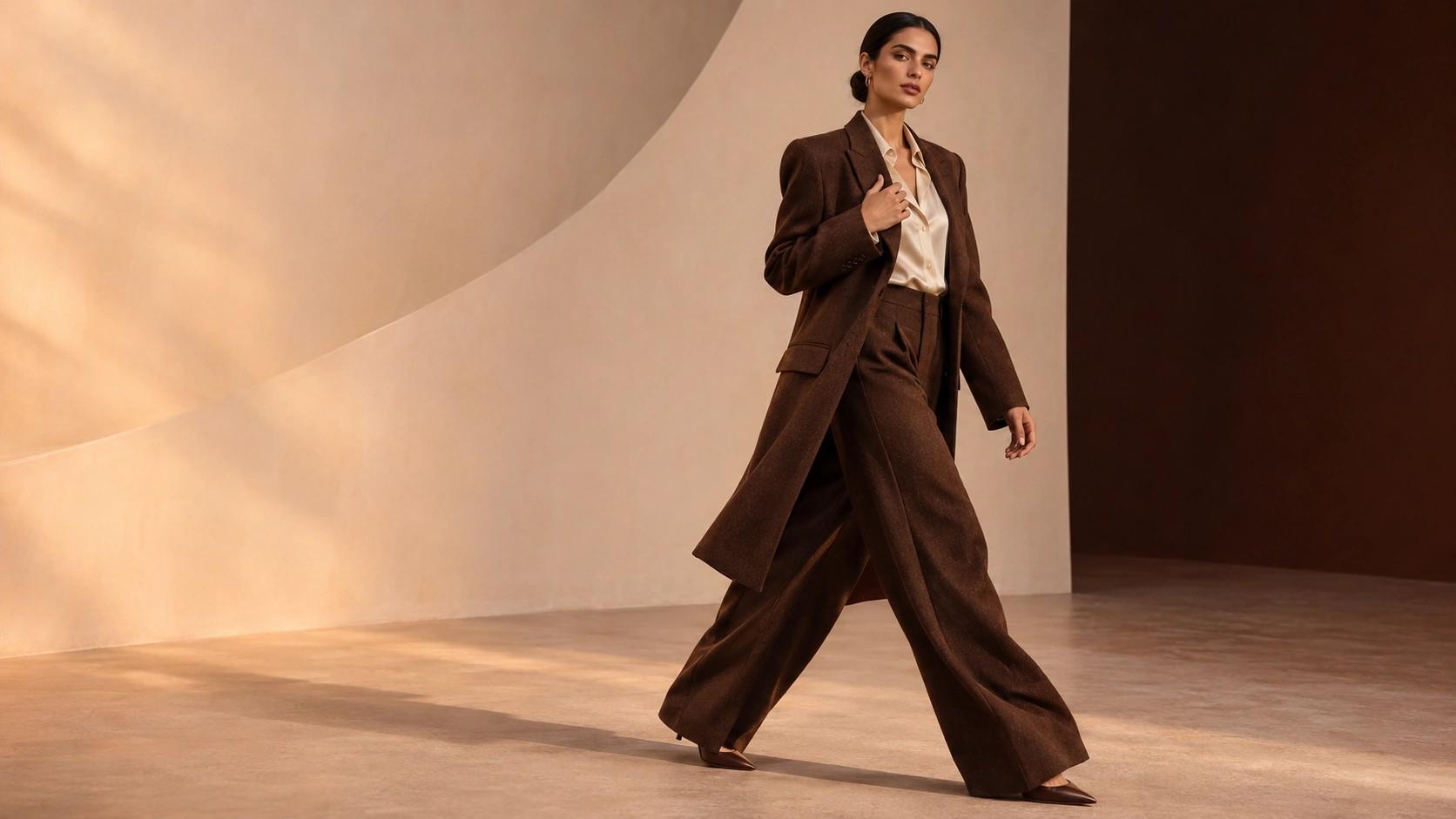
Fabric behavior requires testing at the intended camera height when the concept involves walking, since hem movement changes the dress's silhouette in a photograph. If the fabric obscures the silhouette, adjust the pace or select a different moment. In a still photograph, the dress needs to retain the shape that the collection's designer has approved.
Adobe's fashion photography guidance discusses garment presentation and recommends test photographs during preparation, with advice drawn from photographers Flo Ngala and Grace Rivera. For the campaign review, compare a close view with a full-length test when the client needs both a garment detail and its place within the silhouette.
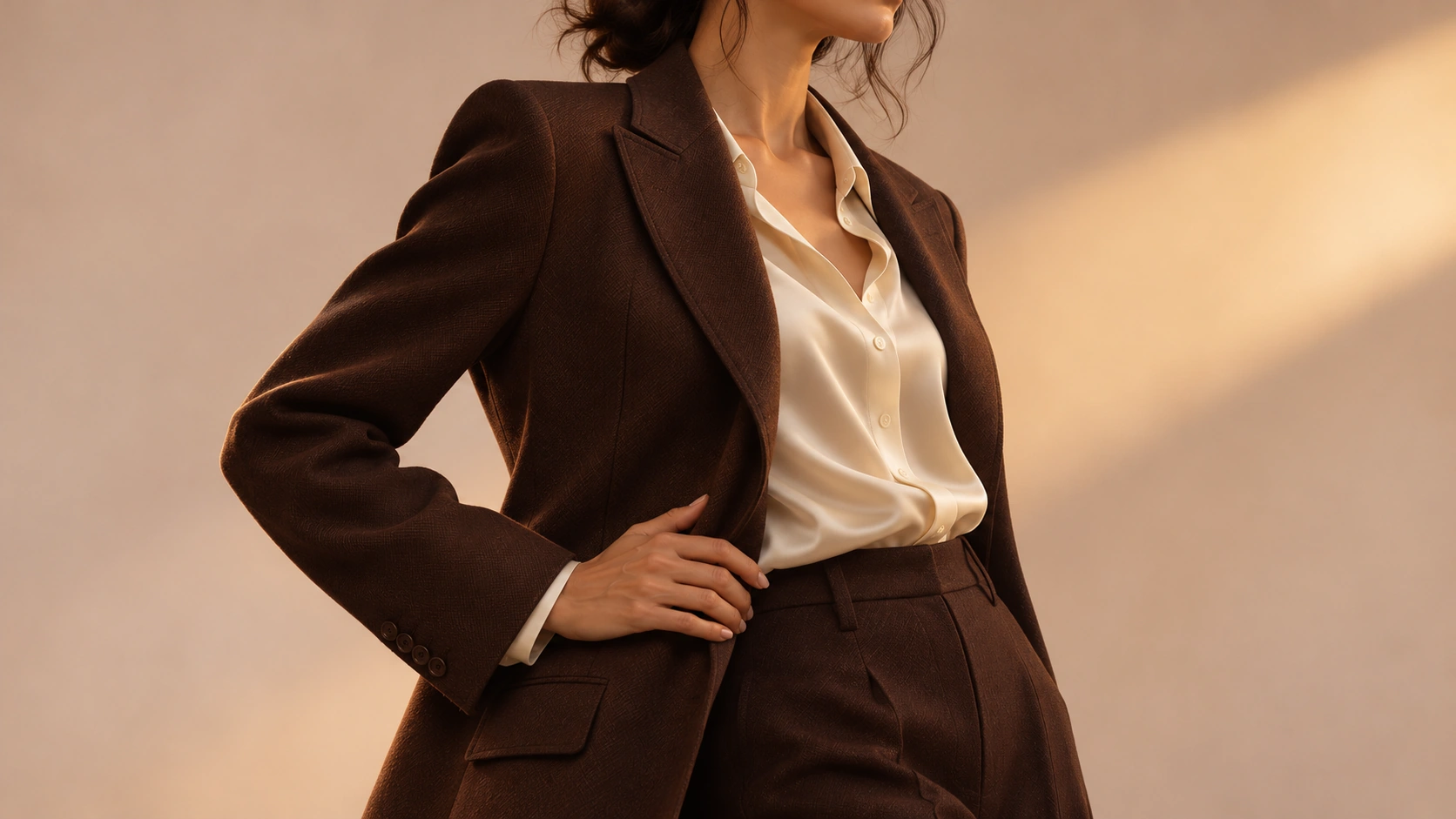
Make References Specific Enough to Shoot
Reference images need annotations that describe the visible choices the art director proposes for the collection, with an explanation for their place in the campaign. Use one image to discuss a low camera position when that viewpoint suits the clothes. In another reference, the useful detail may be the distance between the model and a background surface. Beside the image, describe what the photographer needs to reproduce during the test.
If a reference relies on a stiff coat, repeat its pose during a fitting with the softer garment intended for the actual campaign. Compare the folds across the torso with the outline the original image presents. In the softer garment, a change in body angle may be needed to express the campaign's intended attitude. Once the client approves the test, replace the original reference with that photograph in the treatment.
In its art director occupation profile, the U.S. Bureau of Labor Statistics describes responsibility for a campaign's visual treatment and coordination with other creative staff. Name the person who approves the collection's photographic interpretation within the commission, with a separate contact available for garment accuracy when specialist input is needed.
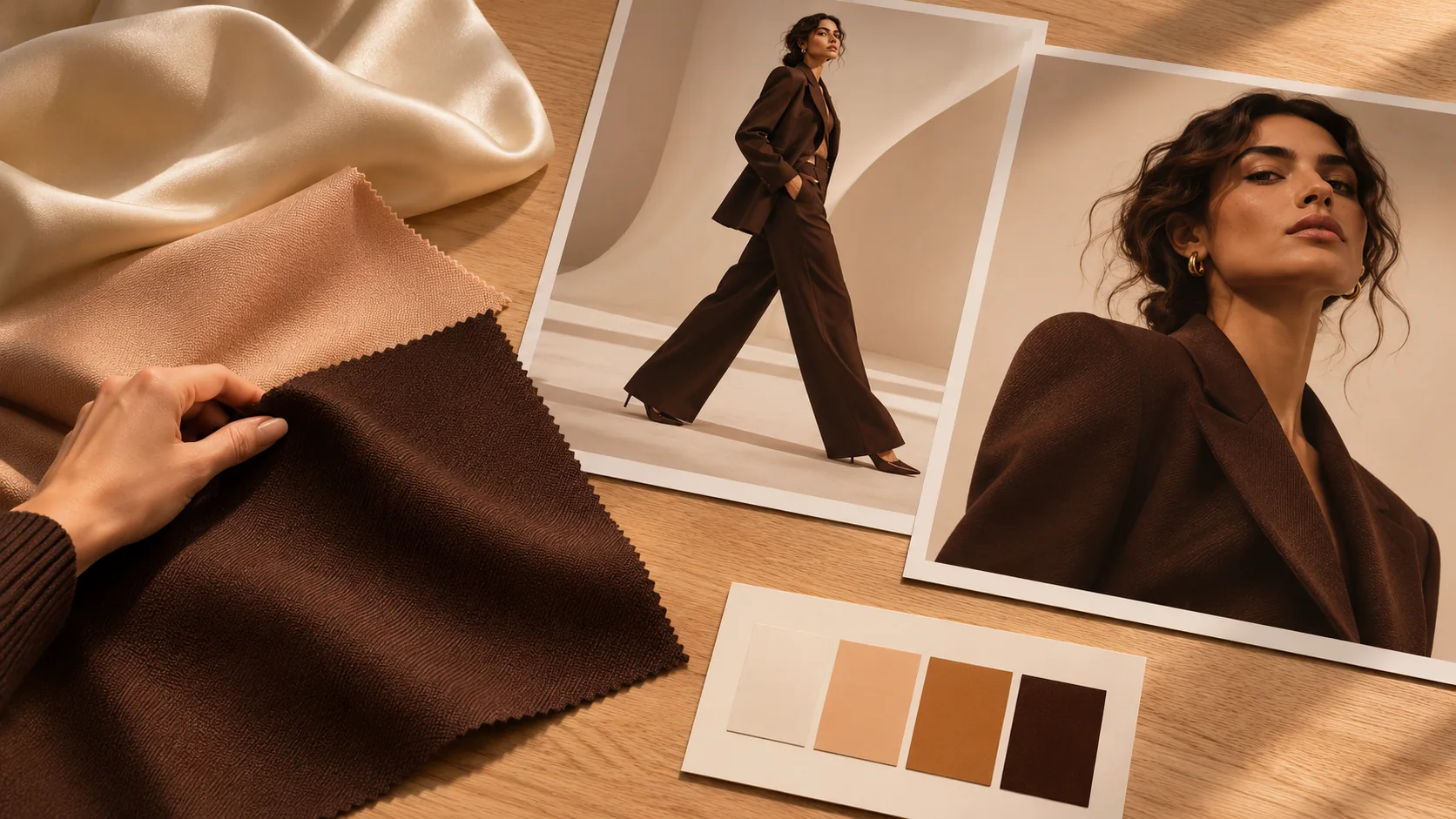
Direct the Model Around the Garment
Photographer Anna-Alexia Basile's Adobe article on fashion image production, published July 29, 2020, describes directing small movements around the garment's shape. For a rehearsal, ask for a gradual turn toward the camera, with the hand positioned to leave the belt buckle visible. Between exposures, a change in gaze introduces a different expression while the photographer retains the approved body position.
Comfort and consent are part of preparation for any performance that asks the model to hold an unusual position or repeat a movement for the photograph. Discuss the proposed action during casting and confirm it at the fitting. If the campaign calls for a low seat, test the dress in that position with the model. Where the fabric pulls tight, consult the wardrobe specialist and agree an adjustment that the model can maintain through the proposed sequence.
Design the Setting for the Collection
Against a pale wall, a pale garment needs enough separation for its outline to remain visible, so test the model at different distances from the surface in the proposed advertising crop. Compare the resulting shadows and the garment's outline within that composition.
For a Dubai campaign, the location decision may center on a studio set or a specific exterior that contributes to the collection's story. If the proposed exterior is essential, ask the producer to confirm access and applicable permissions for the intended photography. In a studio treatment, describe the surface and the light the concept requires. Seek the client's approval for that treatment when it replaces an exterior already agreed for the campaign.
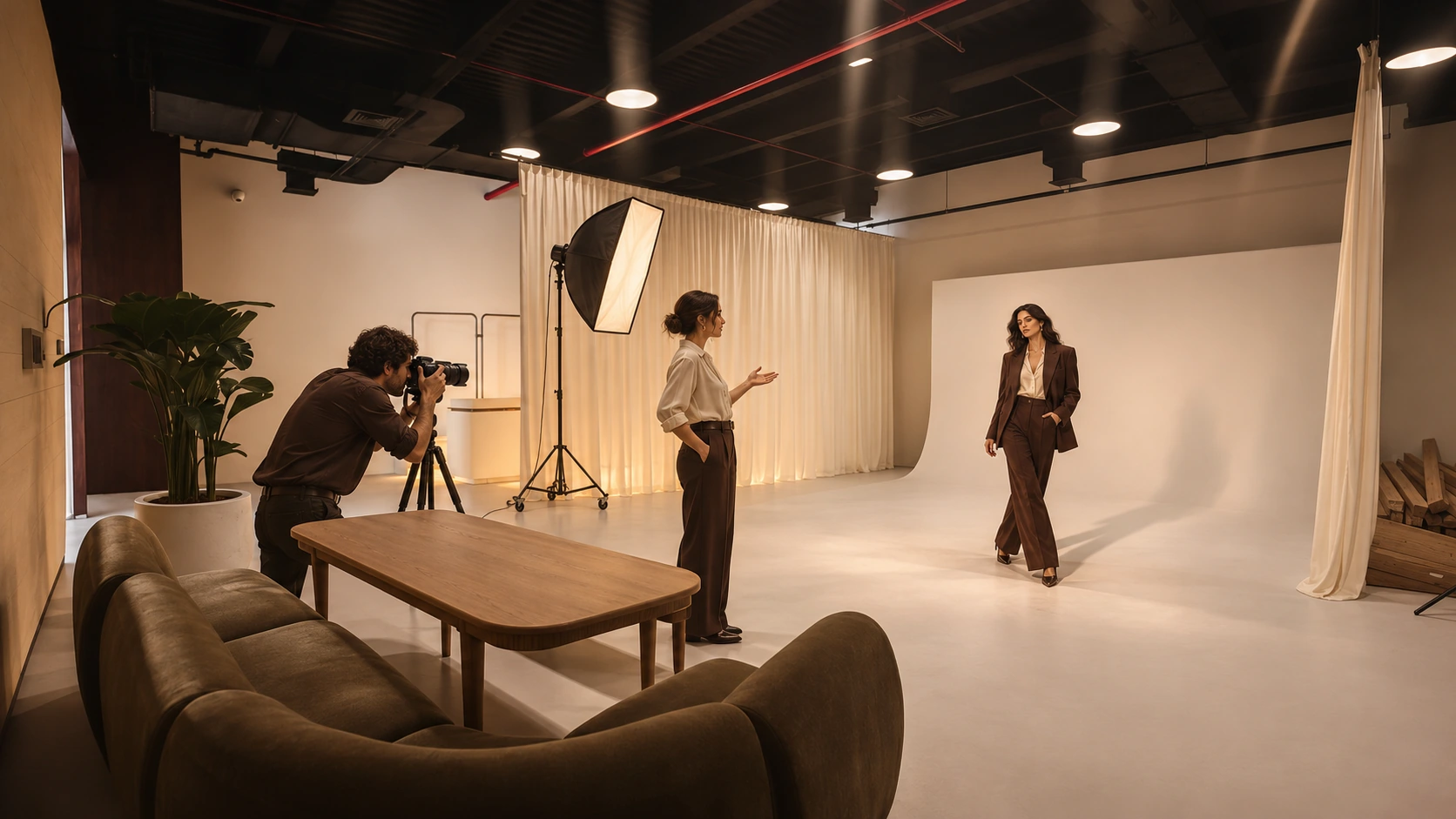
Protect the Campaign During Production
On the shoot day, review the lead photograph in the intended advertising layout while the required garment and model are still available for adjustments. If a headline crosses the dress's distinctive detail, revise the image or the text position during that review. Keep the approved layout available as the photographer continues with the model's performance.
Collection changes need a creative check when a replacement garment alters the idea that the client approved during preparation for the campaign. If a fitted jacket replaces a loose one, repeat the test pose to assess its effect on the campaign's intended attitude. Send the revised composition to the appointed approver when the replacement changes the photograph's message.
The commission needs an agreed usage description that the producer can discuss with the photographer and talent booking contacts during production planning. Specify the intended media and territories in the brief, with the campaign dates recorded beside the proposed uses. If the client plans to use a photograph again for a later launch, ask the responsible adviser to compare that use with the signed agreements.
Select Photographs for a Campaign Sequence
Place the lead photograph beside its proposed companion images during the final selection, with the approved headline visible at the size the audience will encounter. In a following image, a closer view can explain the garment detail suggested by the opening pose. Choose that second photograph for the information it adds to the advertisement.
The retoucher needs instructions that distinguish temporary creases from permanent design details when a correction affects the garment's apparent construction or fit. If a requested correction affects a seam or the silhouette, ask the collection's approver to review the proposed result in the advertising layout.
Discuss the Collection with Someone's Studio
For a fashion campaign photography inquiry in Dubai, share the collection statement and the intended advertising placements through the Someone's Studio contact page. Request a discussion concerning the creative treatment and production scope, with the garment details that the campaign needs to communicate included in the brief.