Your portrait may appear beside a board announcement months after the original session, so the photographer needs to know which public role the image will accompany. Send the proposed page layout with the brief. If the photograph will introduce a new appointment, discuss the person's responsibilities and the company's visual identity together. The resulting composition needs to accommodate the publication's actual use.
For executive portrait photography in Dubai, preparation begins with that editorial decision and continues into the session's direction as the photographer plans the required compositions. Someone's Studio includes photography within its executive production work, where leadership communication connects to the brand's message. Acknowledge the person's own preferences during the brief; their familiar expression deserves a place in the finished photograph.
Start with the Page Where the Portrait Will Appear
Corporate communications teams often commission a portrait for an immediate announcement, then discover that the same file needs a different composition for a later publication. Share the website's actual image slot and the press office's requested format. For a horizontal article header, allow sufficient surrounding space for the editor's proposed crop. Keep the original camera file available for future versions agreed within the commission.
If a leadership page already contains several portraits, review those images together with the photographer to decide which visual choices the new photograph will retain. Adobe's corporate portrait guidance discusses consistency in backgrounds and color balance across company headshots. The useful comparison is the actual page at its normal viewing size. The facial scale deserves attention when a new portrait appears alongside existing colleagues.
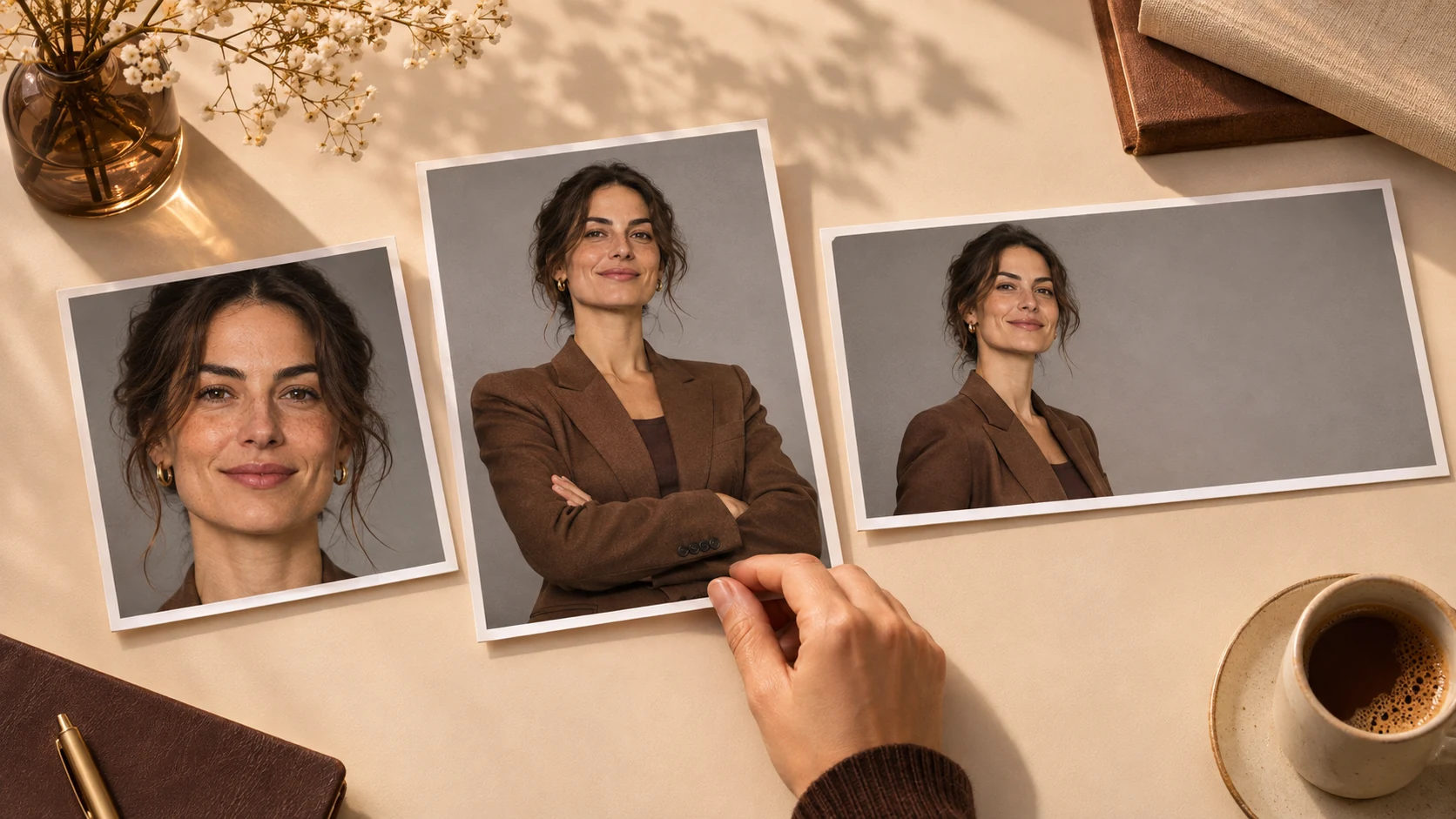
Choose Clothing against the Intended Background
The clothes that feel appropriate in a meeting deserve a camera test against the planned background, especially when the finished image will occupy a small profile space. Take the preferred outfit and a considered alternative. For the camera test, compare how the collar frames the face. Fabric that catches bright light may need lighting adjustments to preserve its detail.
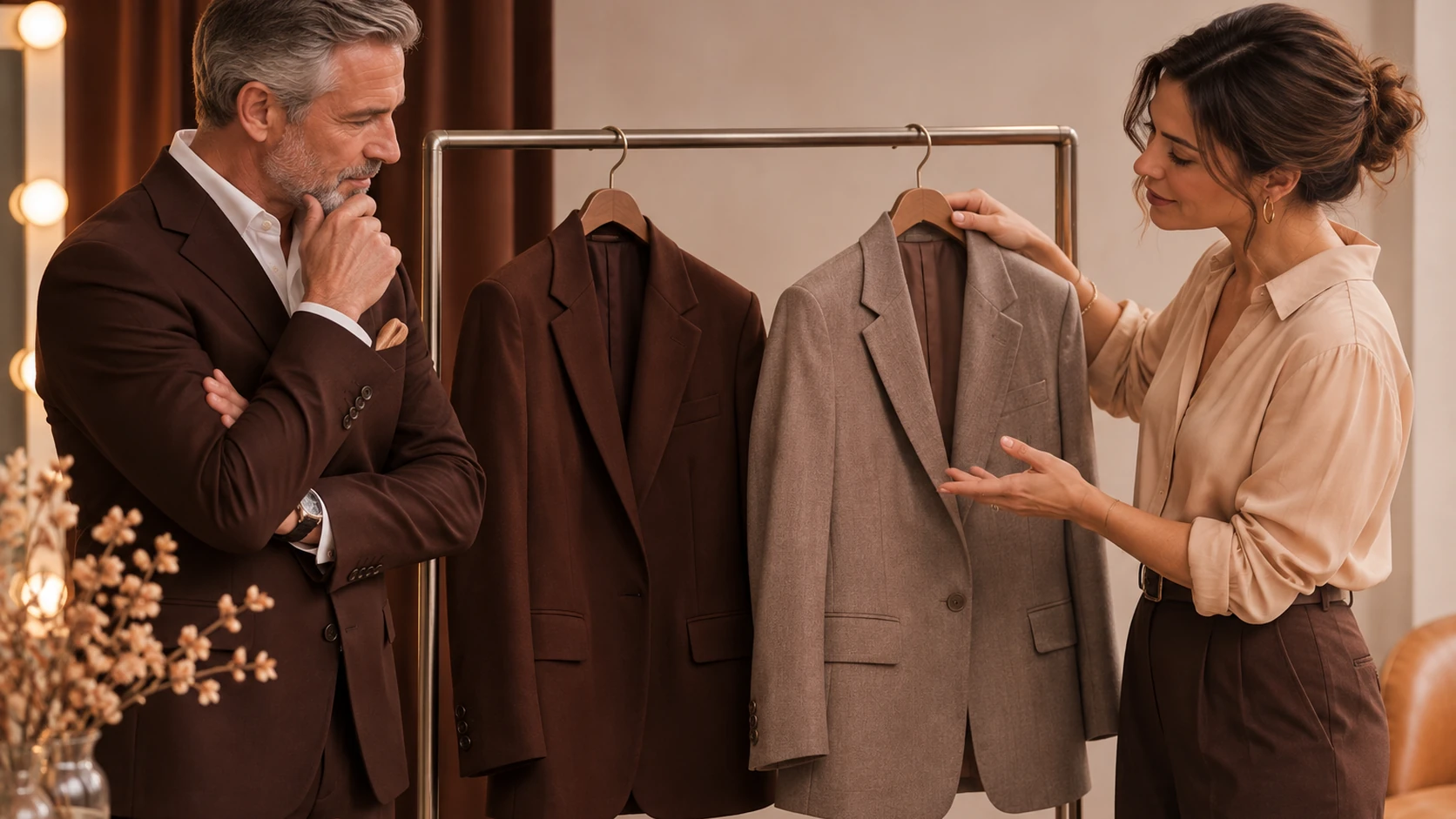
Personal clothing preferences should be included in the discussion when a company's visual guidance offers several appropriate options that accommodate culturally meaningful attire. Ask the subject which option feels consistent with their public role. If a jacket pulls when seated, photograph the adjusted position and inspect the result. Comfort affects the pose available to the photographer, so wardrobe approval should be tested in the actual position.
For a portrait intended to last across several corporate uses, discuss any conspicuous accessory that would dominate a tight crop. The decision remains an editorial choice for the subject and commissioning team. Review a close view alongside an upper-body frame to assess how the accessory reads. For a specific announcement, discuss a separate neutral wardrobe option suitable for later use.
Make the Background Earn Its Place
Office surroundings deserve inclusion when they explain something relevant to the person's work, such as a design director photographed beside approved project material. Keep visible documents within the company's approved publication scope. In a tightly framed portrait, a bright object near the subject's head may compete with the face. The photographer can change position during the test to assess the relationship.
Photographer Tony Gale's background guidance asks whether the environment contributes to the portrait's story and describes how lighting changes an artificial background. For a studio commission, choose the background's tone against the intended page. Pale clothing needs enough separation to retain its outline. If the publication uses a white page, view the proposed portrait within that page during approval.
Test the Light with the Person in Position
Your executive's arrival time should follow the crew's initial setup, with a period reserved for adjustments once the person enters the planned composition. Explain any particular concerns during preparation, such as reflections on glasses. The photographer then has a specific issue to examine at the intended camera angle. Retain the person's usual glasses when they form part of their familiar public appearance.
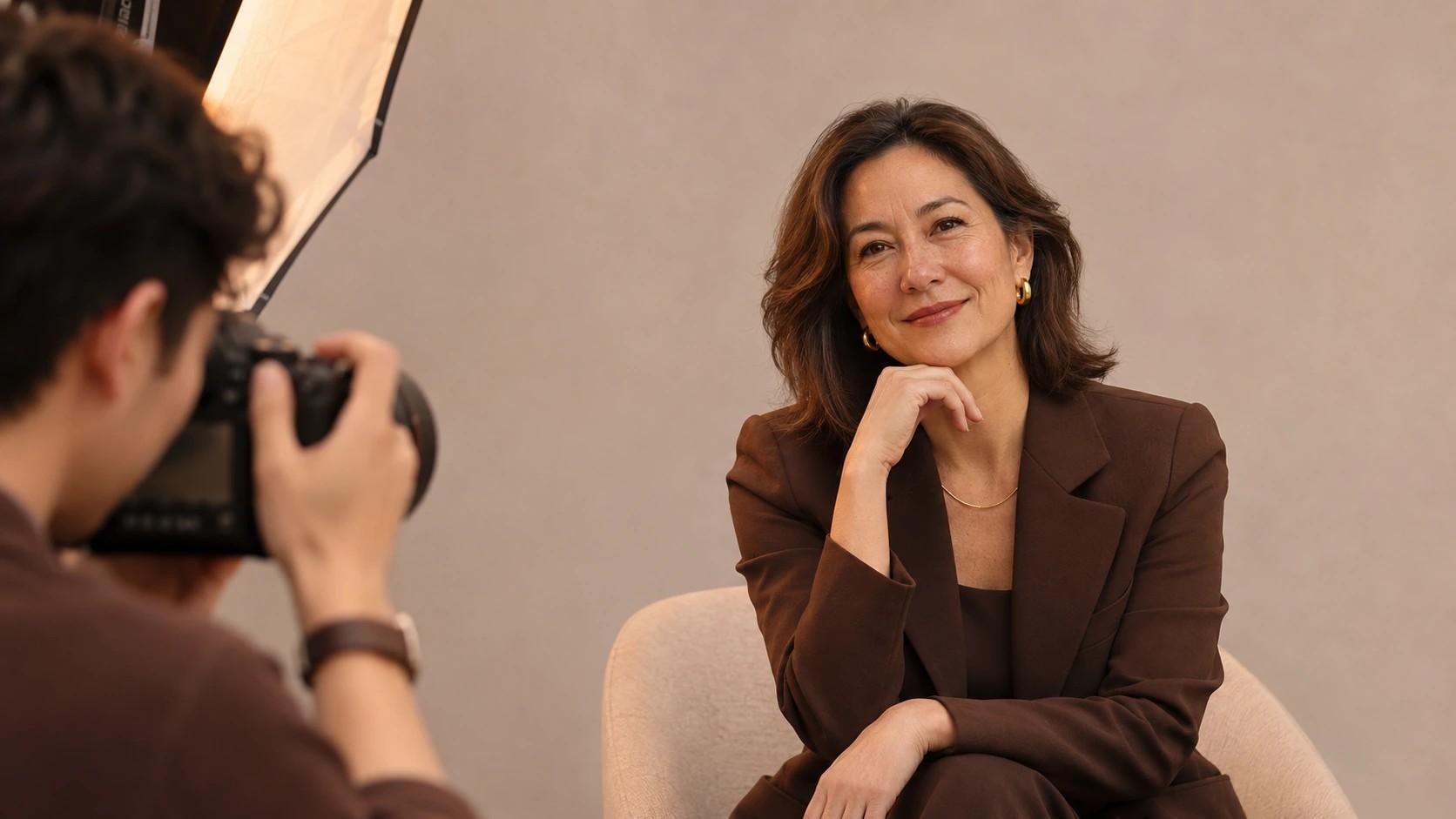
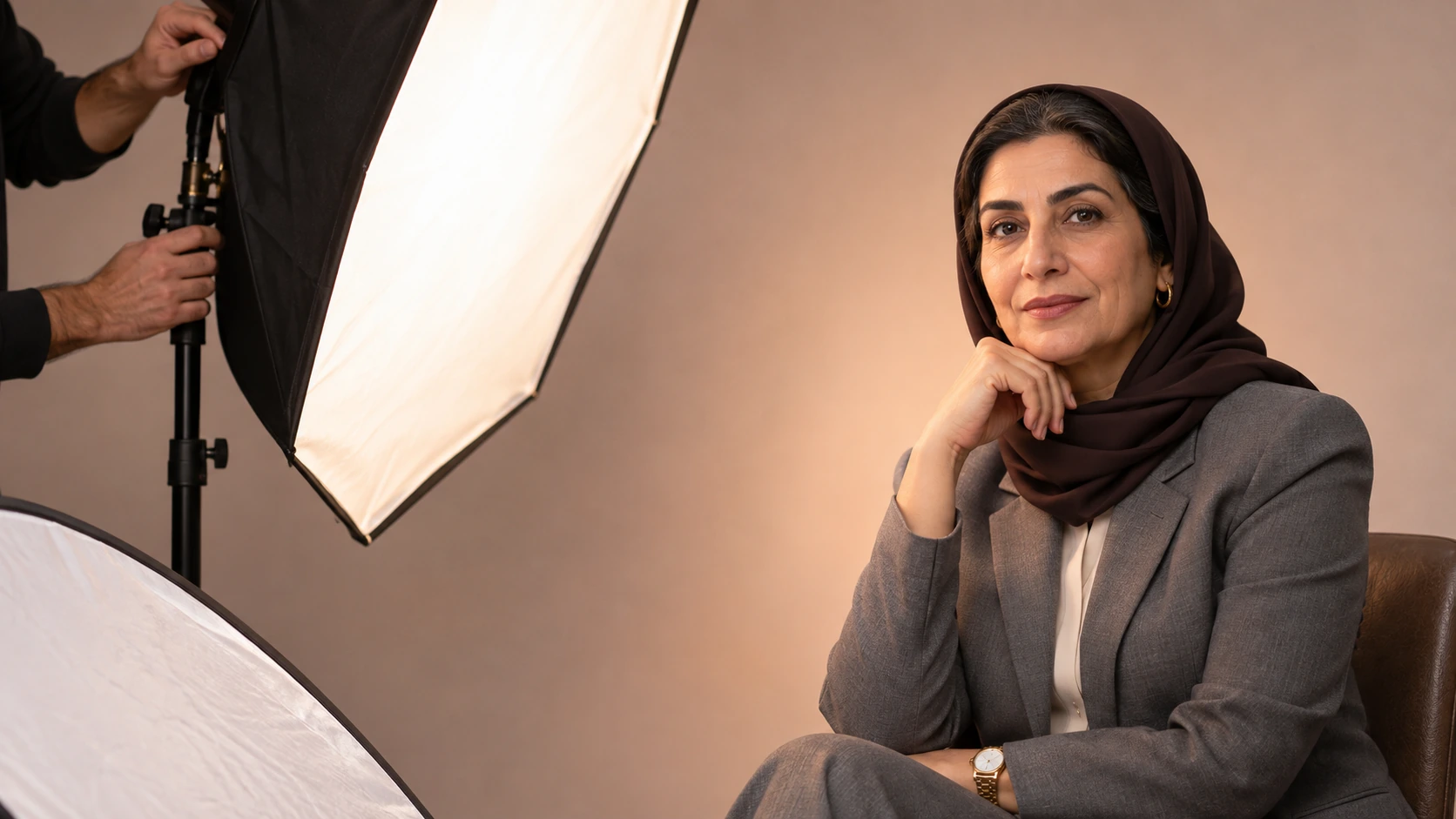
Adobe's portrait lighting advice explains how diffused illumination and additional light affect facial contrast when a photographer arranges a studio portrait session. In the test, compare the shadowed cheek with the brighter side. Skin needs visible texture at the proposed final size. If a reflection obscures an eye, adjust the light's position and inspect another frame with the person facing the intended direction.
After a substantial change in pose, review the lighting decisions with the photographer as the subject moves from a chair to an upright position. The face's relationship to the light has changed. Request a fresh test for the new composition and compare its color with the earlier selection. When several portraits will appear together, the commissioning team needs to approve their relationship as a set.
Leave Space for a Familiar Expression
Some executives arrive with a rehearsed expression that feels appropriate for a formal photograph, especially when an upcoming board announcement will place the image beside their professional biography. Discuss the intended tone using a relevant portrait reference. If the subject prefers a restrained expression, include it in the session. Acknowledge their judgment when reviewing the first usable frames.
In a brief exchange between photographs, the photographer has an opportunity to observe the subject's natural expression and suggest a comfortable position. Adobe's corporate portrait article describes conversation as part of eliciting a genuine expression. For the commissioned session, agree on a simple direction and allow the person to settle into it. Review selected frames after a useful sequence, rather than interrupting every exposure.
Hand placement becomes especially visible in an upper-body portrait, so the director needs a position the subject can maintain comfortably during the sequence. Use the chair or another agreed support if it suits the composition. Once the pose is established, check how it appears inside the planned crop. The subject's own response to the preview helps identify gestures that feel unfamiliar.

Agree on Retouching through an Approved Sample
Your retouching brief needs to distinguish temporary distractions from the person's lasting appearance, with the subject involved in decisions that change their face. Discuss the treatment of a temporary blemish alongside the desired skin detail. For the first finished sample, request a view at the intended publication size. Retain facial characteristics that colleagues would recognize in person.
If the commission includes several selected photographs, approve one finished sample so the retoucher has an agreed reference for the remaining files. Compare skin color with the session's agreed reference image. Hair edges should be inspected where they meet the background, particularly after local edits. The final selection still needs to look like the same person across the different compositions.
Select Deliverables for Actual Editorial Use
Picture selection works better when the client judges the photograph inside its intended layout, especially where a circular profile crop removes much of the surrounding image. Ask the designer to test the candidate file in that layout. For a press portrait, retain the version requested by the receiving publication. Record the approved crop with its file so the next editor can identify the intended use.
The commission should specify which finished versions the client receives and how the production team will handle additional edits requested after approval. Discuss usage permission with the production team while agreeing on the assignment. If a portrait will accompany a future announcement, state the release date in the delivery instructions. The subject's name and the approved file identifier must remain linked during distribution.
Prepare Your Portrait Brief for Someone's Studio
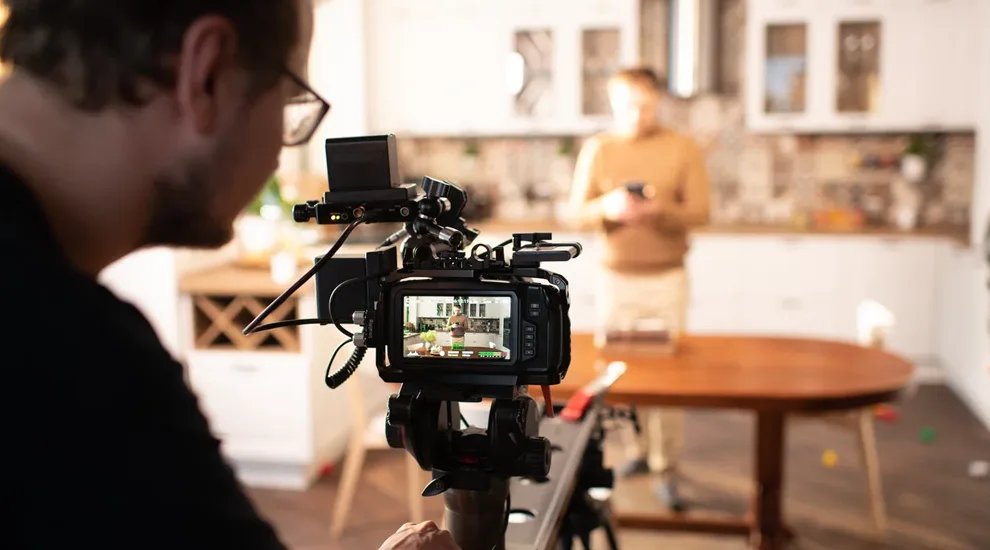
Someone's Studio approaches photography within a brand identity and creative production practice, so an executive portrait brief needs to explain the communication it will support. Share the proposed publication and the company's existing visual guidance. For a session that includes filmed material, identify the separate photographic requirements during planning. Portrait composition deserves its own allocation within the agreed production schedule.
When you contact Someone's Studio, include the required delivery date and the leader's available session period so the team can discuss the production scope. Attach the actual layout if it is available. The initial conversation can then address the photographic direction and the finished files your communications team needs for publication.