
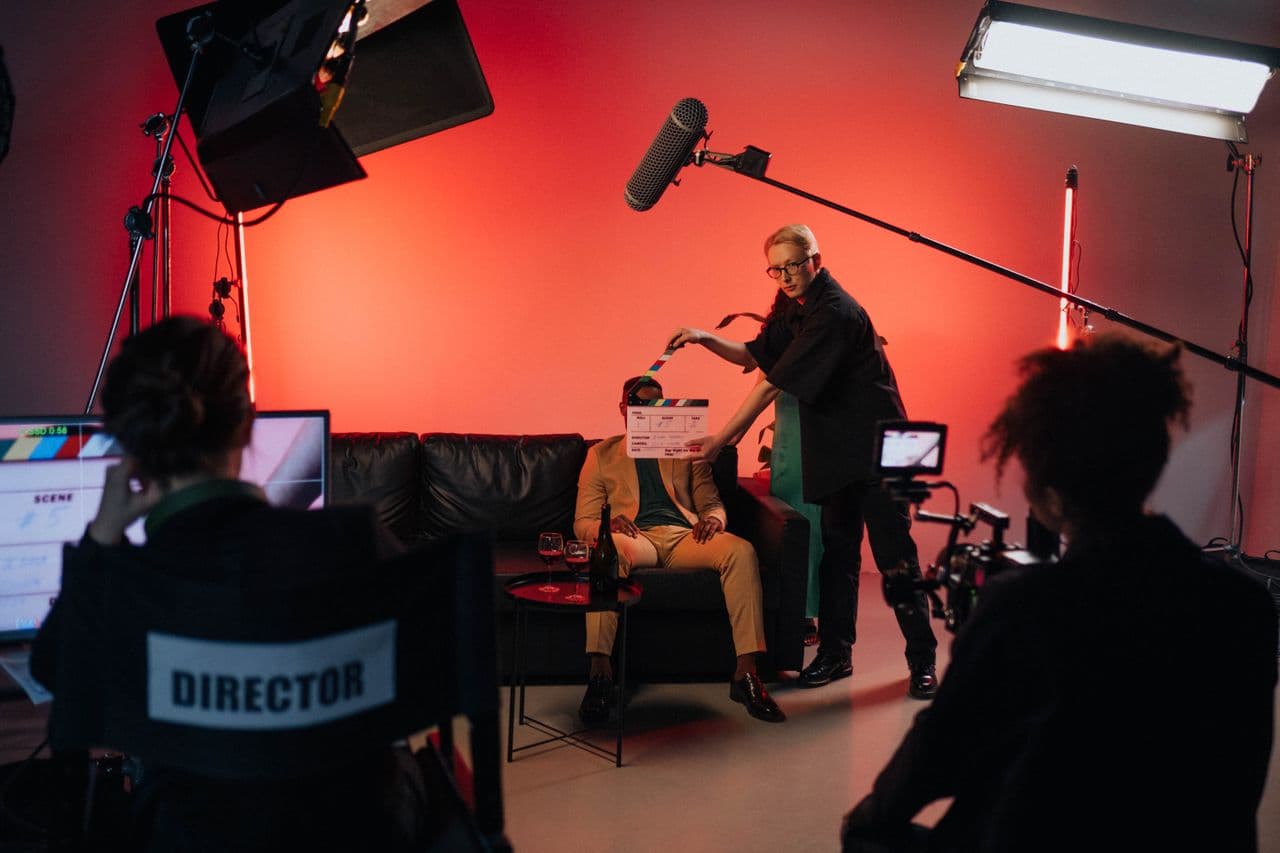
Corporate video production and TV commercial production often get placed in the same basket. Fair enough. Both use cameras, scripts, crews, lights, editing, and a client waiting for the first cut with coffee in hand. Still, they answer very different brand problems.
Someone’s Studio sees this mix-up all the time. A company asks for a corporate film, then describes a TV ad. Another brand asks for a commercial, then needs a company profile video for meetings, investor talks, and online video marketing. Same medium. Different job.
The real difference comes down to purpose, audience, length, media placement, and budget. Once a brand gets those pieces straight, choosing the right format becomes much easier.
What Is a Corporate Video?
Corporate video production usually supports business communication. It can introduce a company, explain a service, present a team, train staff, or help sales teams talk with clients. Think company profile video, internal corporate video, corporate communication video, training video production, and brand awareness video.
A corporate video can feel polished and cinematic, yet its main task stays practical. It helps people understand who the company is, what it does, and why it matters. The tone can be warm, direct, premium, technical, or founder-led.
Corporate filmmaking also gives brands useful material for websites, LinkedIn, investor decks, sales calls, recruitment, and events. It lives longer than a campaign asset. It becomes part of a brand’s communication kit.

What Is a TV Commercial?
TV commercial production has a sharper advertising goal. A television advertisement needs to grab attention quickly, sell one idea, and fit a set time slot. Fifteen seconds. Thirty seconds. Maybe sixty, if the media plan allows it.
A broadcast commercial usually supports TV advertising, product launches, seasonal campaigns, or mass awareness. It needs a clear idea, a tight script, and a strong ending. There is less space for explanation. The commercial needs to land fast.
Commercial video production often involves a commercial director, casting, art direction, location work, sound design, and heavy post-production. The final film must satisfy the brand team, the agency team, the broadcaster, and the campaign’s media plan.
How Corporate Video Production Works
Corporate video production starts with the message. Someone’s Studio asks what the video needs to achieve. Sales support? Hiring? Investor trust? Staff training? Brand awareness? A useful answer changes the entire video production process.
The team then builds a script or interview plan, chooses locations, plans the shot list, and sets a filming schedule. Corporate video Dubai projects often use real offices, client spaces, hospitality venues, factories, clinics, or studios. The setting should feel natural to the brand.
Editing usually gives the film its final shape. Interview lines get trimmed. B-roll supports the story. Music adds pace. Color and sound create a finished piece suitable for distribution across video channels such as websites, YouTube, LinkedIn, email campaigns, and corporate presentations.

Which Costs More: a Corporate Video or TV Commercial
TV commercial production usually costs more than corporate video production. Media-level advertising requires more planning, a larger crew, talent, set work, licensing, broadcast checks, and tighter post-production. A product commercial may also need special effects, studio builds, or multiple shoot days.
Corporate video production costs can still vary widely. A simple interview-led corporate content piece costs less than a cinematic video production project with several locations, talent, drone work, and heavy editing.
The better question is simple: what does the video need to do? A sales team may get more value from a strong company profile video than a short TV ad. A consumer brand launching a mass product may gain more from an advertising campaign video. Budget follows the job.
When Should Your Brand Choose a Corporate Video?
Corporate video works best when the brand needs to explain, build trust, and add depth. A B2B company can use it to explain a service. A luxury brand can use it to present its values and team. A tech company can use it for product education. A growing firm can use it for recruitment.
Business video production fits brands with a message that needs a little space. It gives viewers time to understand the people, process, and value behind the company.
Choose a corporate video when your brand needs a long-lasting asset. Sales decks, investor meetings, website pages, onboarding, and internal communication all benefit from a polished corporate film production piece.

When Is a TV Commercial the Better Choice?
TV commercial production works best when the brand needs quick reach and a simple message. A new product. A retail campaign. A holiday offer. A national announcement. A high-budget launch.
Commercial filmmaking thrives on compression. One idea. One emotion. One action. The viewer gets the message in seconds.
Broadcast advertising also suits brands with a strong media plan. The commercial gains value through repetition on TV and digital channels. A smart video campaign strategy can place the same idea across television, YouTube, paid social, and digital advertising video placements.
Corporate Video vs Commercial Video for Dubai Brands
Dubai brands often need both formats throughout the year. A real estate developer may need a corporate video Dubai asset for investors and a TV commercial Dubai asset for public demand. A hospitality group may need promotional videos for social media and a broadcast commercial to launch a new venue.
A video production company in Dubai must understand the city’s pace. Dubai audiences see premium visuals daily. Weak films feel cheap fast. Strong branded video content helps a brand look credible in a market where visual quality affects trust.
Someone’s Studio is a corporate video agency in Dubai, working with business needs first. Commercial production company Dubai's work gets a campaign lens. Two formats. Two jobs. One brand voice.
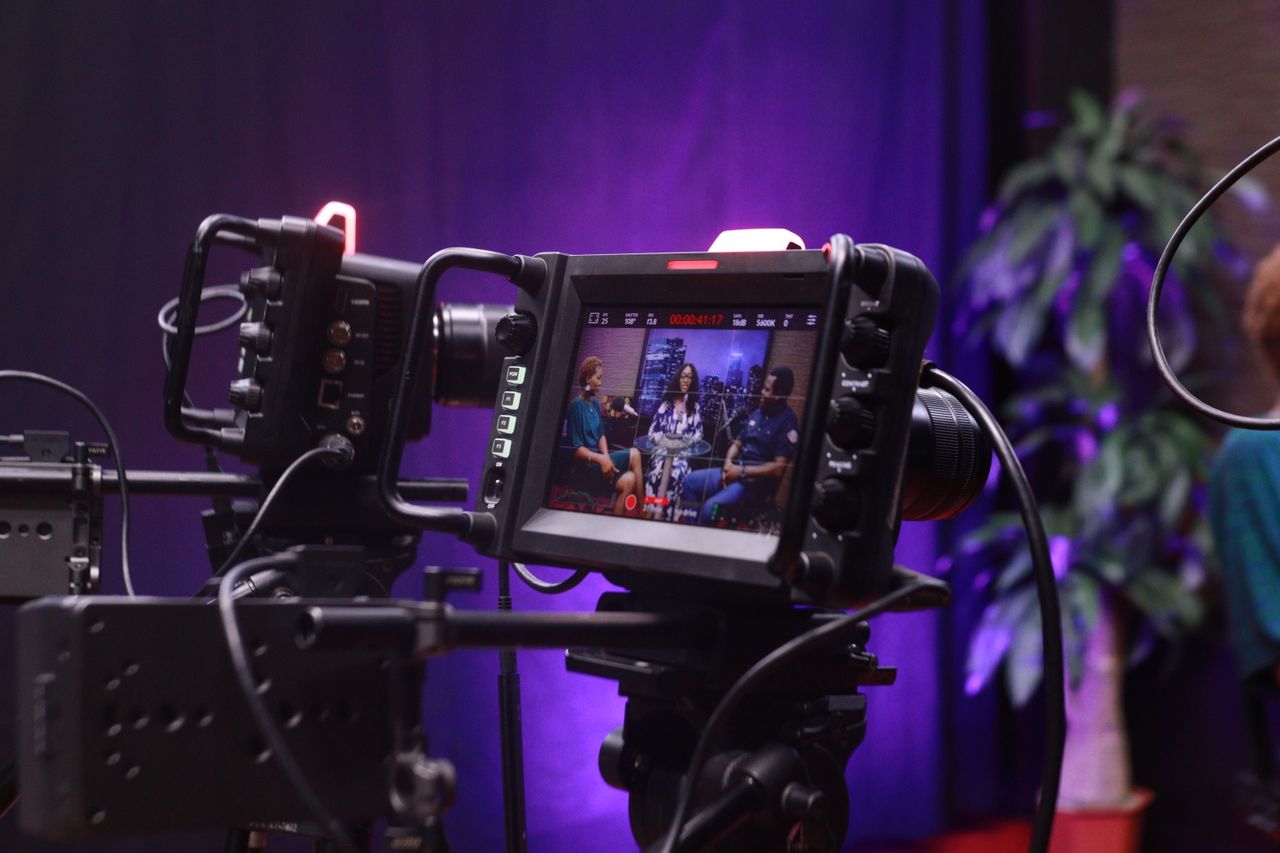
How to Choose the Right Video Format for Your Brand
The right format starts with one question: who needs to see the video, and what should they do after watching? A target audience of investors needs detail and proof. A retail audience needs desire and speed. A staff audience needs clarity and relevance.
Brand messaging should guide the decision. If the brand needs education, choose corporate video production. If the brand needs public attention and a quick recall, choose advertising video production.
Video content strategy helps map the format to the channel. Corporate films suit websites, presentations, LinkedIn, and email. TV commercials suit broadcast advertising, paid media, and product campaigns. Marketing videos can sit between the two, especially for online video marketing.
Can a Corporate Video Be Used for Advertising?
Yes, a corporate video can support advertising when the cut fits the channel. A long company profile video can be shortened into a digital advertising video. Interview clips can become social posts. Brand storytelling scenes can become campaign teasers.
The edit matters. A three-minute corporate film needs a tighter cut for paid media. A 30-second version needs a stronger opening and a cleaner call to action. Promotional video production can help bridge the gap between corporate communication and advertising needs.
Someone’s Studio often builds content families for this reason. One shoot can create a main corporate film, social edits, short paid ads, founder clips, and website video blocks. The brand gets a broader set of assets from the same production effort.
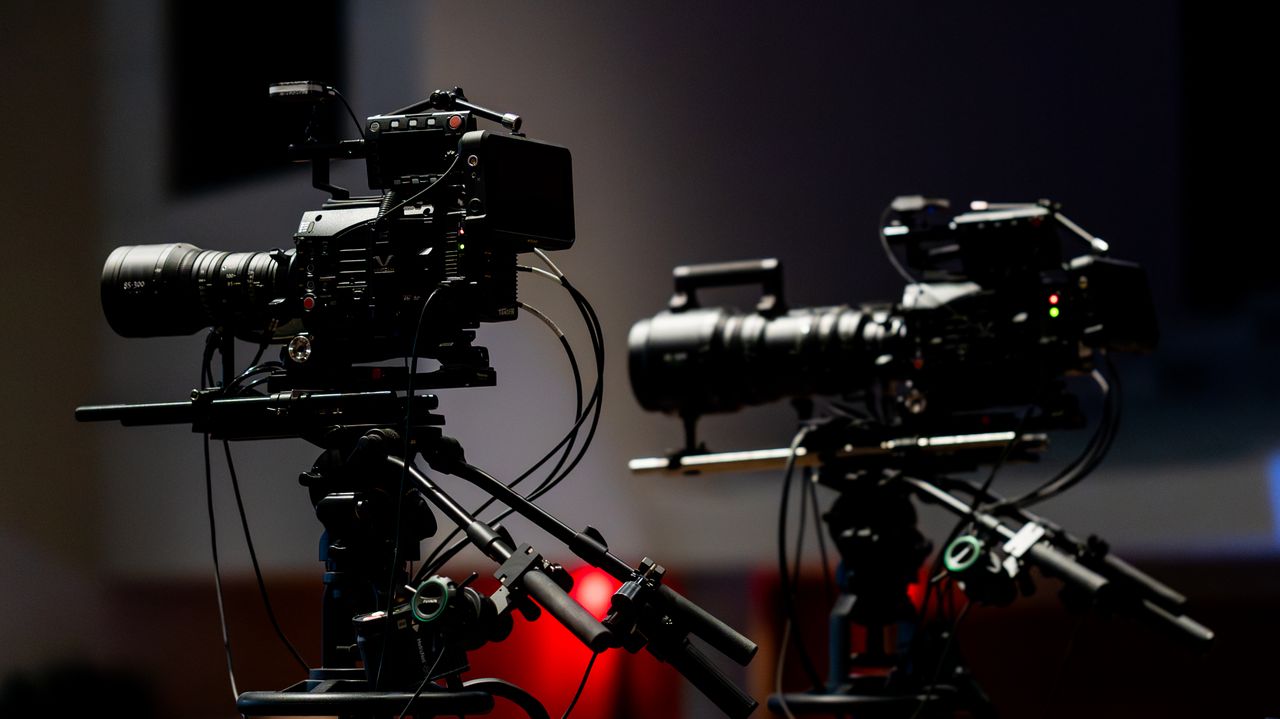
Final Call for Brand Teams
Corporate video production and TV commercial production both have real value. They simply solve different problems. Corporate video builds trust, explains the company, and supports long-term communication. TV commercial production sells fast, reaches wider audiences, and carries a campaign message with sharper pressure.
Someone’s Studio helps brands choose the format that fits the message, audience, budget, and channel plan. No overcomplication. No BS talk. A well-made video with a clear business reason behind it.