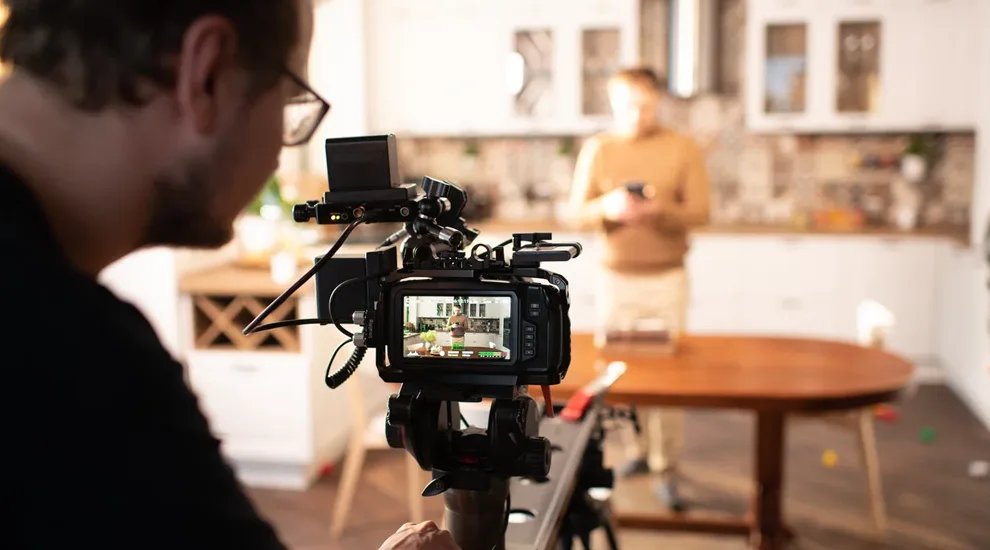
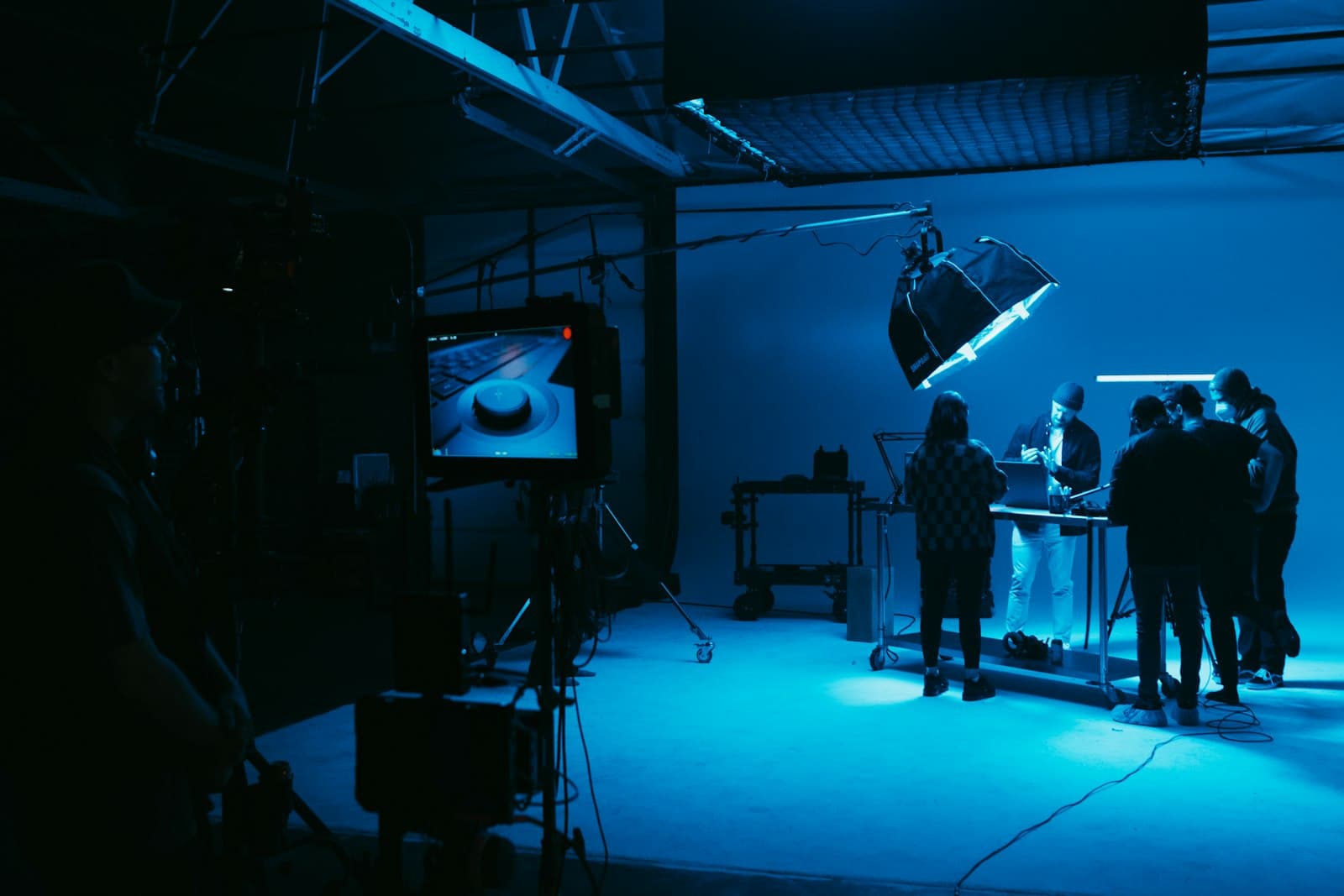
Commercial video production cost in Dubai starts with the film you intend to commission and the work required to prepare its scenes for the camera. After reviewing the production scope, Someone’s Studio prepares an individual quotation. For a brand team comparing proposals, a useful starting point is the amount payable for the full commission, with optional work listed beside it.
When a commercial follows an actor through a location, your budget covers the work required to stage that movement and record it. Two films lasting thirty seconds may involve very different amounts of work. Once the treatment describes what appears on screen, a producer can explain which decisions account for the proposed price.
What the Production Quote Pays For
Production companies price creative development against the work still required, so the quote should explain how far your current idea must progress ahead of filming. If your team already has an approved script, the producer can price the proposed scenes against that material. For a commission beginning with an early campaign idea, allow for concept development and writing within the creative fee. Include the number of concepts expected in that allowance, so both parties understand the creative commission.
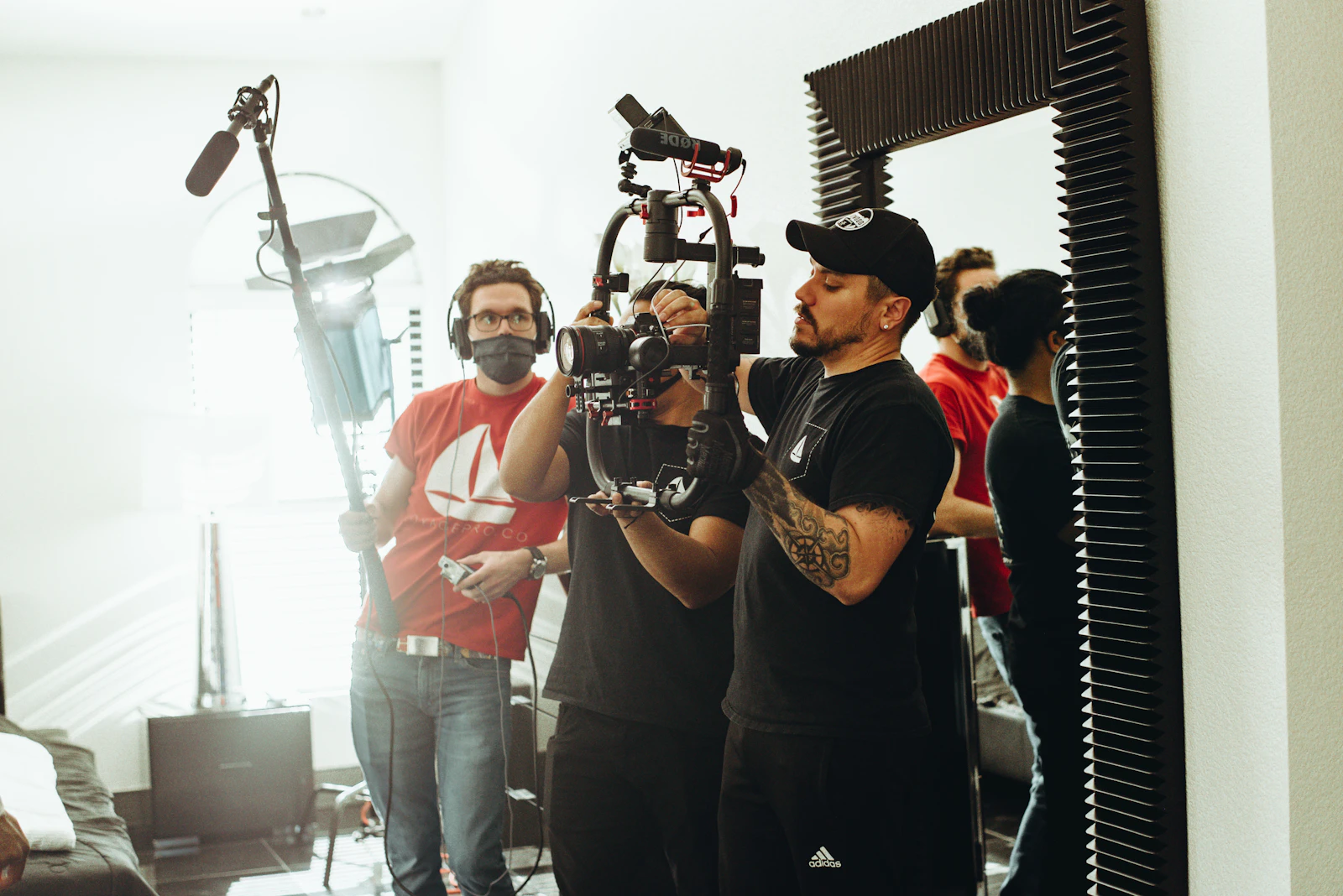
Some proposals cover a filming day with an agreed-upon crew, with the footage passed to your existing editor for completion. In a complete film commission, the proposed scope includes the agreed post-production work. Compare both proposals against an identified fee for delivery of the finished advertisement.
For a space-only booking at Someone’s Studio, the rental charge covers the booked production space for the agreed period. Requested creative support and professional production work to receive separate quotations. Where your team supplies part of the production, describe that work alongside the support required from the Studio.
Why the Same Running Time Produces Different Prices
Screen duration indicates how long the audience will watch, while the shot list specifies how much work the crew must complete during filming. For an interview-led advertisement, a prepared setting may accommodate most of the dialogue. Close-up views in a product film often involve changes in the lighting position as the camera moves between surfaces. Count that setup time within the booked day, even when the finished shots last a second.
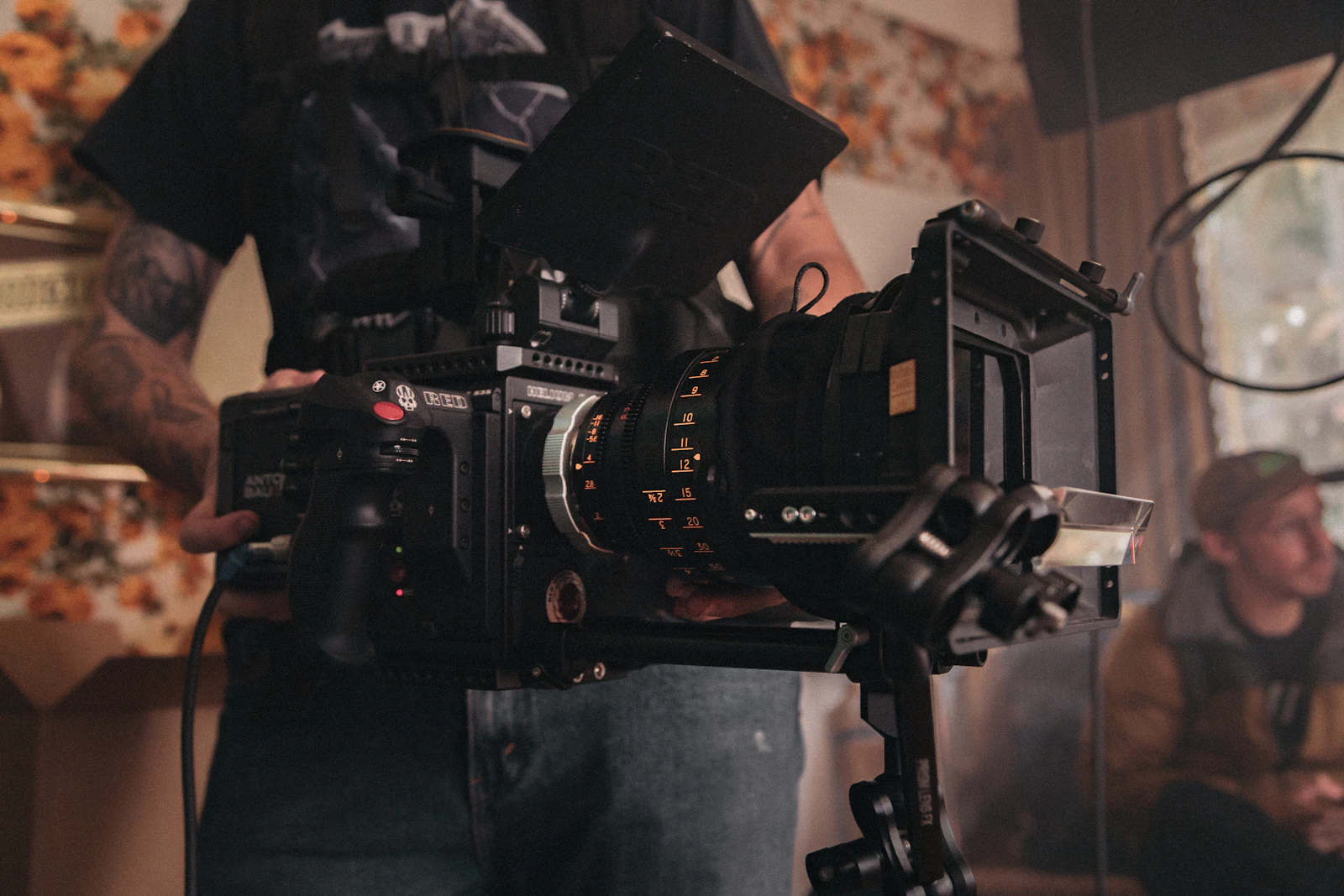
The crew’s responsibilities deserve a closer look than their head count, especially when the commercial involves dialogue alongside a moving camera. To assess the recorded speech during the take, the crew needs someone assigned to sound recording. If several departments are working simultaneously, the producer must allocate enough people to complete the planned work. Ask which responsibilities the proposed crew covers and where the client supplies support. Equipment follows the intended image, so a comparison based solely on camera model misses the point of much of the technical budget. When a shot calls for a particular movement, the proposal needs the associated camera support and setup time. For that shot, the producer can separate any additional equipment hire from the crew’s labor allowance.
Location Costs Extend Past the Hire Fee
Location access affects the working day when the crew has to move equipment through a building or wait for a business to close its public operation. Establish usable filming hours separately from the period permitted for preparation. If the location allows evening access only, the producer must account for that restriction in the schedule and quotation. Travel between settings consumes working time as the crew packs equipment and rebuilds the next setup, even when the locations appear close on a map. If a second scene is achievable at the first property, the director has an alternative to the cost of the location move.
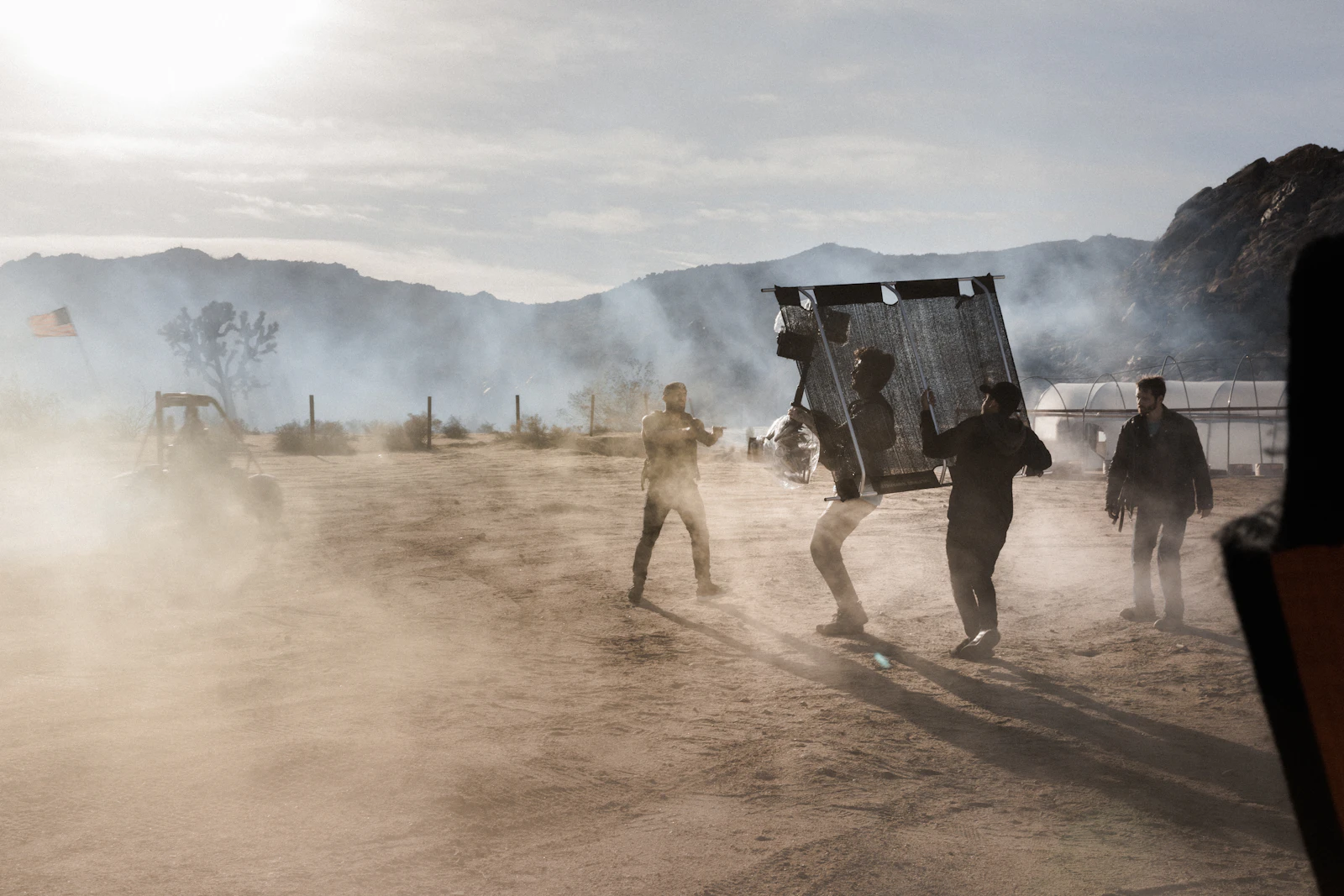
For shoots at Dubai Culture and Arts Authority locations, Visit Dubai’s cultural-site filming guidance identifies a certificate requirement. Request the production-specific approval costs from the producer and confirm the property owner’s conditions alongside them.
Talent and Music Rights Follow the Intended Use
Performers’ fees warrant a discussion of both the production session and the proposed advertising use, since the same footage may appear in multiple campaign placements. Specify the intended territories and usage period when requesting a quote. If a future campaign extension is likely, ask how renewal would be priced. Separate the booked appearance from any separately priced usage rights in the initial agreement.
Music selection introduces another budget decision once the team knows where the advertisement will run and which recording it proposes to license. For uses that include television and physical point-of-sale displays, Adobe Stock’s January 2026 audio terms require an extended audio license. Confirm the license against the actual distribution plan. If the campaign expands to those placements, review the selected track’s license as part of the new production scope. The final quotation should identify responsibility for obtaining the agreed permissions and retaining their supporting records for the client’s campaign. Where the client supplies music, tell the producer which license covers its proposed use. For any separately priced renewal, record the original usage period beside the quoted extension fee.
Post-Production Is Work You Can Specify
Editors need a description of the final versions, especially when a campaign includes a main advertisement and shorter pieces with different openings. In a shorter version, an editor may need to rework the story to fit its allotted duration. State which edits contain different messages and which retain the approved film with a changed end card. Where the workload differs, separate fees show which version accounts for the extra editing time.
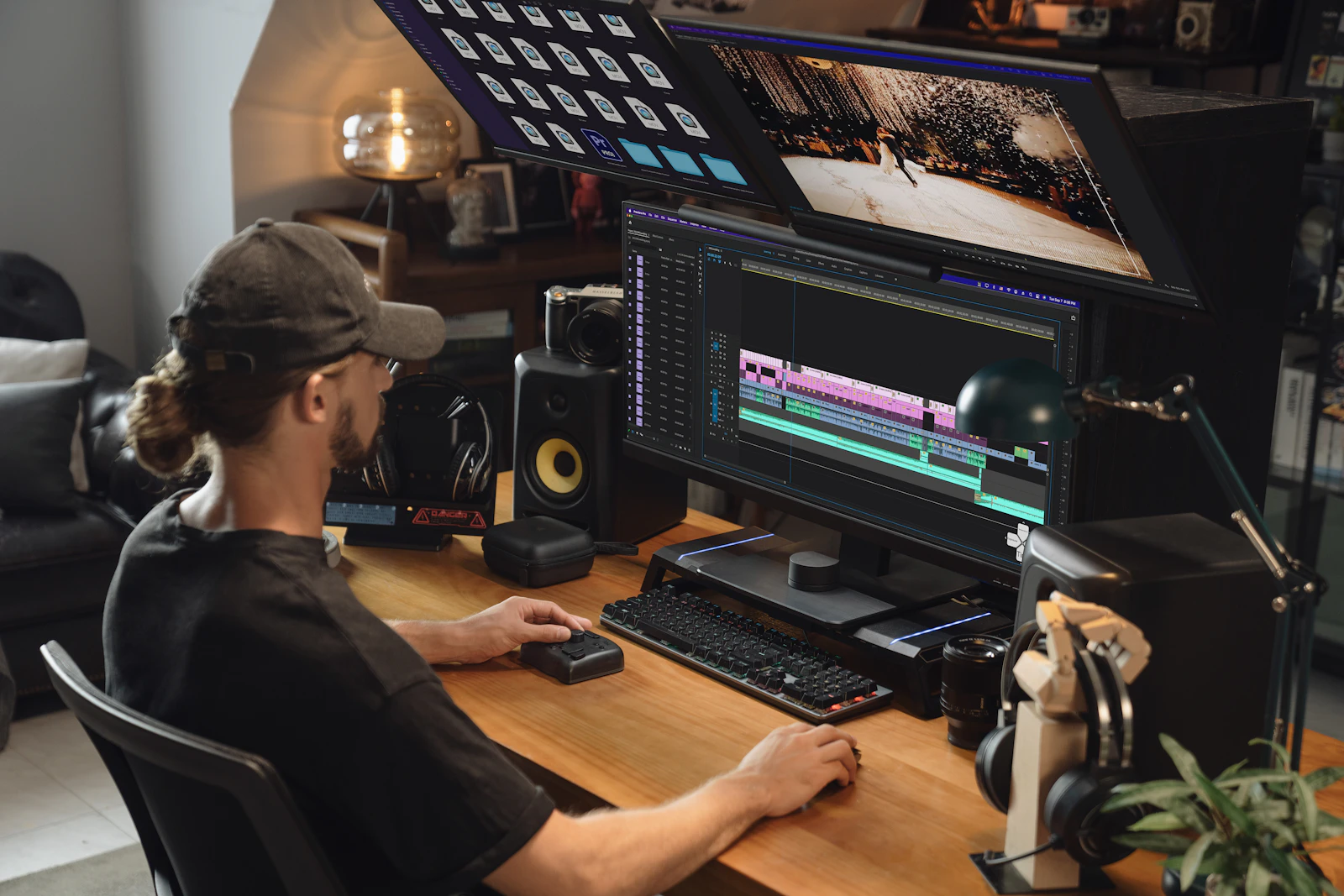
Arabic and English versions introduce decisions during writing and post-production, particularly when spoken lines must fit the same scene duration. Agree on the person responsible for translation approval and the stage at which that wording becomes final. If narration is recorded, a later wording change may require another recording session. Include that possibility in the revision discussion.
Review rounds become easier to price when the proposal explains what the client is reviewing at a particular stage and how additional work is approved. If the client changes the shot order, the editor works with existing footage; a request for another scene introduces production work. Identify the included rounds and the rate or quotation method for extra work. If the script changes after filming, request a revised scope assessment.
Compare the Payable Total and Its Assumption
Procurement teams need to compare quotations against the same requested outputs, with the proposed production dates held constant for a useful commercial comparison. Beside each total, record the included filming hours and final versions. Put optional charges in a separate column, and record the condition that will determine any unresolved allowance’s final amount.
Tax treatment needs its own line in that comparison, particularly when one proposal displays a net amount, and another includes the applicable tax. In its general VAT guidance, the Federal Tax Authority states that the rate is 5%, with statutory exemptions or zero-rating applying to specified transactions. Ask the supplier to show the applicable treatment and payable total for your commission.
The payment schedule affects cash planning independently of the production total, especially when deposits fall ahead of the filming date and final delivery. Read the cancellation terms against the point at which outside suppliers confirm their participation in the shoot. If a postponement requires another booking, establish which existing charges remain payable and which costs receive a revised quotation.
Reduce the Scope Where It Makes Creative Sense
Budget reductions work best when the director identifies a production change that preserves the advertisement’s central message and removes a specific item of work. In a hypothetical product commission, the brief requests a tabletop demonstration followed by a separate product-use scene at another property. The director proposes a closing image filmed at the demonstration table, which removes the location move. If the closing image shows how the product is used, the revised scene preserves that part of the brief.
Another option is to reduce the number of finished versions after checking the placements that the media team has actually booked for the campaign. Retain any version required for a confirmed placement. Future versions can receive a separate proposal, with the original shoot planned to retain the footage they need.
Request a Quote for the Film You Intend to Use
Someone’s Studio’s campaign production service covers related media outputs, with the requested advertisement and companion edits discussed as part of the proposed commission. If your team supplies the editor, specify the footage handover requirements rather than requesting a finished-film quotation. Unresolved creative decisions require an allowance for development in the proposal.
For a quotation through the Studio inquiry page, describe the film’s purpose and provide the current deliverable brief for the booking team’s review. Request an itemized proposal that identifies the included work and optional additions. If the brief includes a fixed spending limit, state that amount so the proposed treatment can be assessed against the available budget.