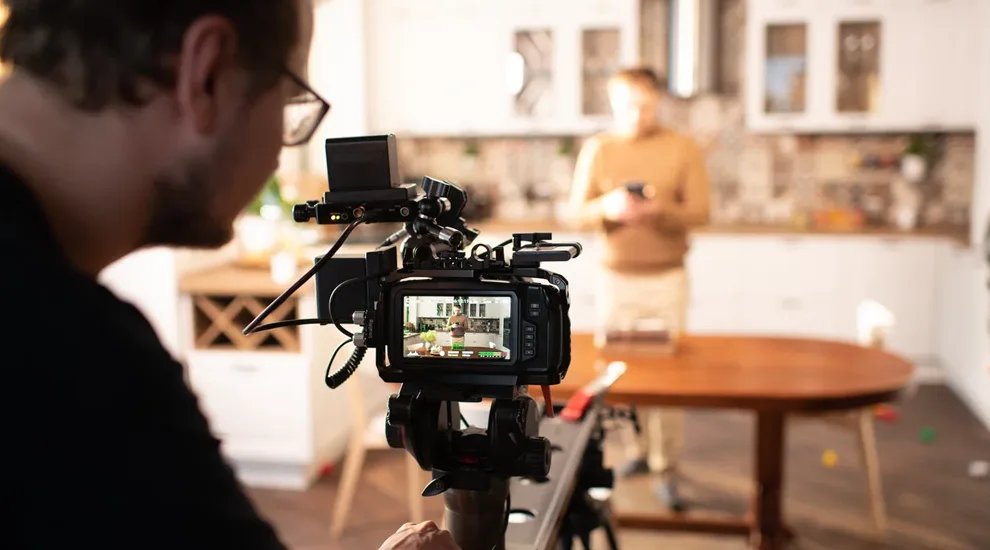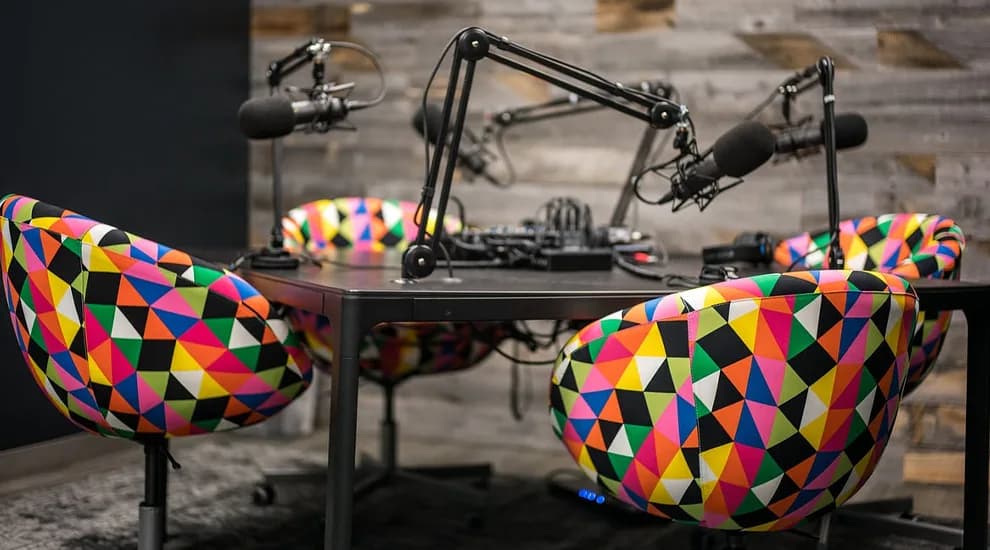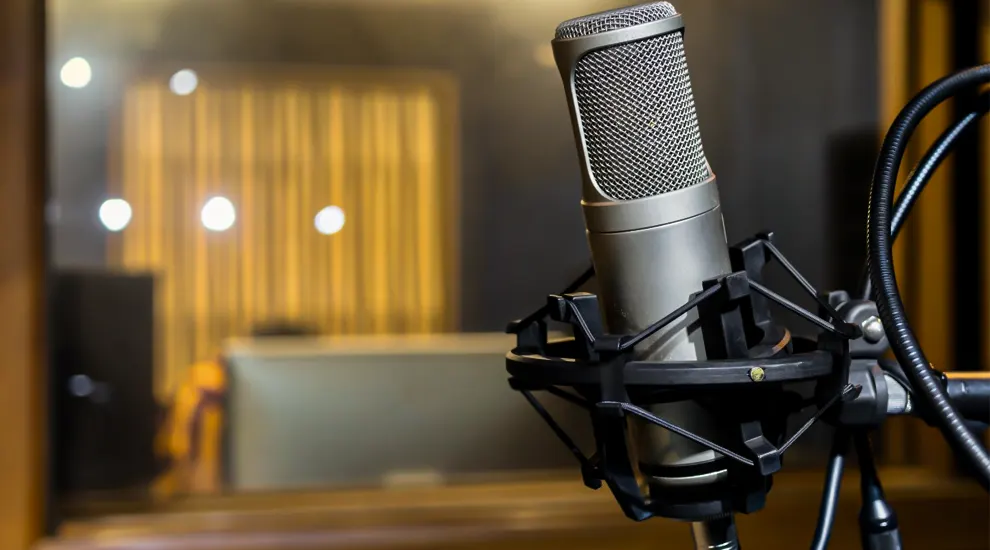

During commercial shoots, all the postponed decisions of the team come to light in an amusing way. A missing prop suddenly takes on importance. The product came in a different color than ordered. Talent is ready while the lighting crew waits for access. Good pre-production keeps those moments rare. Someone’s Studio approaches video production projects in Dubai with one basic idea: solve as many practical questions as possible while there is still plenty of time to answer them.
A useful commercial shoot checklist in Dubai covers much more than cameras and locations. The campaign goal and production budget need to be agreed upon.
Scripts and shot lists need approval. Casting, equipment, wardrobe, usage rights, schedules, and post-production deliverables all deserve attention. Once those pieces are settled, shoot day becomes far easier for the brand and production crew.
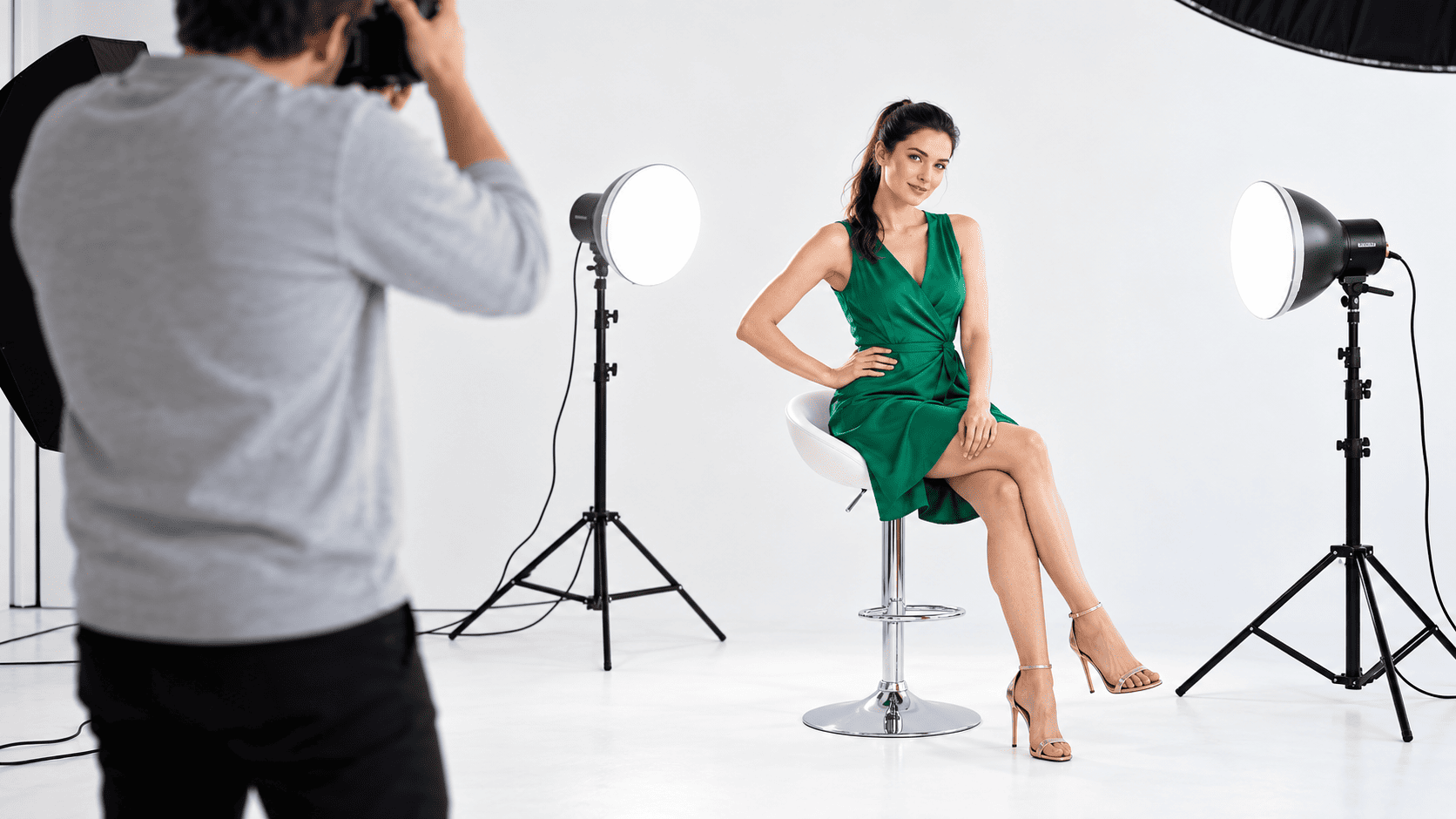
Set Your Campaign Goals and Target Audience
Start with the reason for the campaign.
What should someone understand after watching the video? What should they feel? Which action should follow? A luxury product launch may need desire and brand recognition. A retail promotion may need immediate product interest. A B2B campaign may need trust and a clear explanation.
Target audience decisions influence almost everything that follows. Casting changes. Language can change. Locations may change. Even shot duration can depend on where viewers will see the final content.
A good creative brief should explain the audience in practical terms. Age alone tells the production team very little. Buying motivation and media habits provide far more useful direction.
Someone’s Studio uses those answers to keep creative choices connected to the campaign goal.
Confirm Your Budget and Final Deliverables
Production budget discussions work best when they happen early.
Crew size and equipment affect cost. Talent and locations can add another layer.
Set construction, wardrobe, props, transport, and post-production can also affect the total.
Final deliverables matter just as much, because a single shoot may yield far more than one commercial.
A campaign might require a 30-second hero film and several shorter versions.
Social media may need vertical edits. A website may need a horizontal cut. Paid advertising may require several opening sequences for testing.
List those assets during production planning. The crew can then film material for each format during the same shoot.
Budget decisions become much easier when everyone knows exactly what needs to come out of the production.
Finalize the Script, Storyboard, and Shot List
Scriptwriting gives the campaign its verbal structure. Storyboard development gives the team a visual reference. The shot list translates the idea into practical camera work.
All three documents should support one another.
A script may sound great on paper, yet require far too many locations for the available budget. A storyboard may introduce shots that need specialist equipment. The shot list can expose those production needs early.
Brand teams should review the product information and spoken lines. Creative teams should review pacing and visual logic. Production teams can assess timing and technical requirements.
Approval at this stage saves expensive changes on shoot day.
Choose Between a Studio and an On-Location Shoot
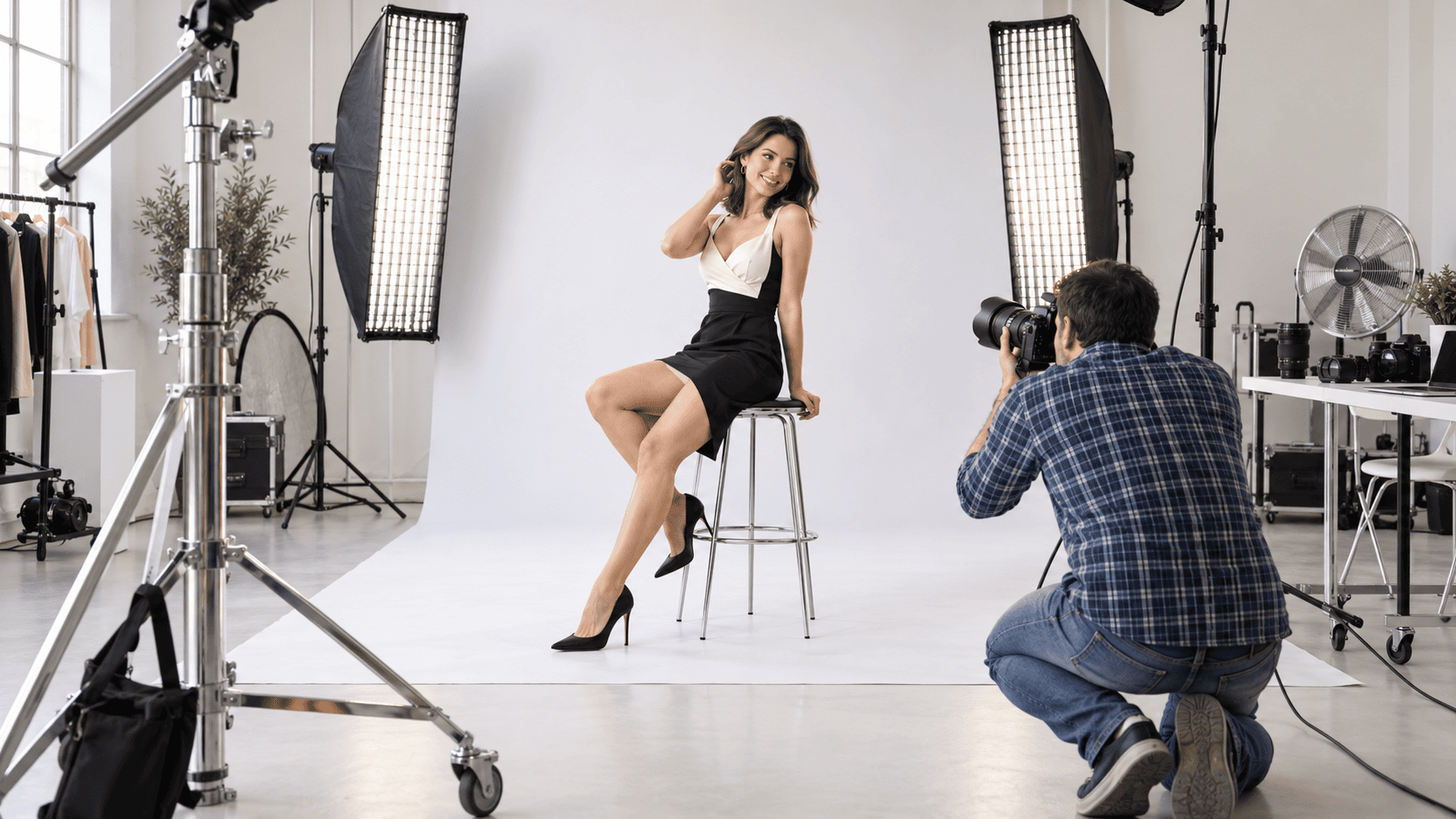
Studio production gives the team dependable conditions for lighting and sound. Product work and interview-led commercials often benefit from that environment.
Location filming can bring natural context into the campaign. Hospitality projects may benefit from a real venue. Automotive work may need roads or private driving areas. Lifestyle campaigns can gain meaning from an environment connected to the customer.
Location scouting in Dubai should consider more than visual appeal. Access and power matter. Parking and crew movement deserve attention, too. Sound conditions can affect dialogue-led scenes.
Filming permits in Dubai may apply to certain locations and production setups.
Permit planning should begin early enough to ensure the required approvals fit the production calendar.
Book Your Production Crew and Cast
Crew choices depend on the script.
Commercial video production in Dubai may involve a director and a director of
photography. Larger projects can include camera assistants and lighting technicians. Production assistants may join too.
Casting and talent selection also deserve time. A performer needs to fit the campaign idea and feel believable to the audience.
Share confirmed shoot dates with key people early. Availability can narrow quickly when several specialists need to work on the same day.
Talent conversations should cover working hours and wardrobe requirements. Usage terms need agreement, too.
Someone’s Studio prefers to settle those details early so the production team arrives with the same understanding.
Prepare Equipment, Lighting, and Audio
An equipment checklist should come directly from the shot list.
Camera requirements depend on framing and movement. A locked interview setup has different needs from a moving product commercial. Lens choice can affect the required shooting distance.
Lighting setup decisions depend on the location and desired visual treatment. Interior daylight may need support. Product surfaces may require smaller light sources and modifiers.
Sound recording needs its own plan whenever dialogue appears. Microphones and monitoring equipment should be suited to the location's conditions.
Power and storage also deserve a place on the equipment checklist. Batteries and recording media can disappear surprisingly fast during a long production day.
Organize Wardrobe, Props, and Brand Assets
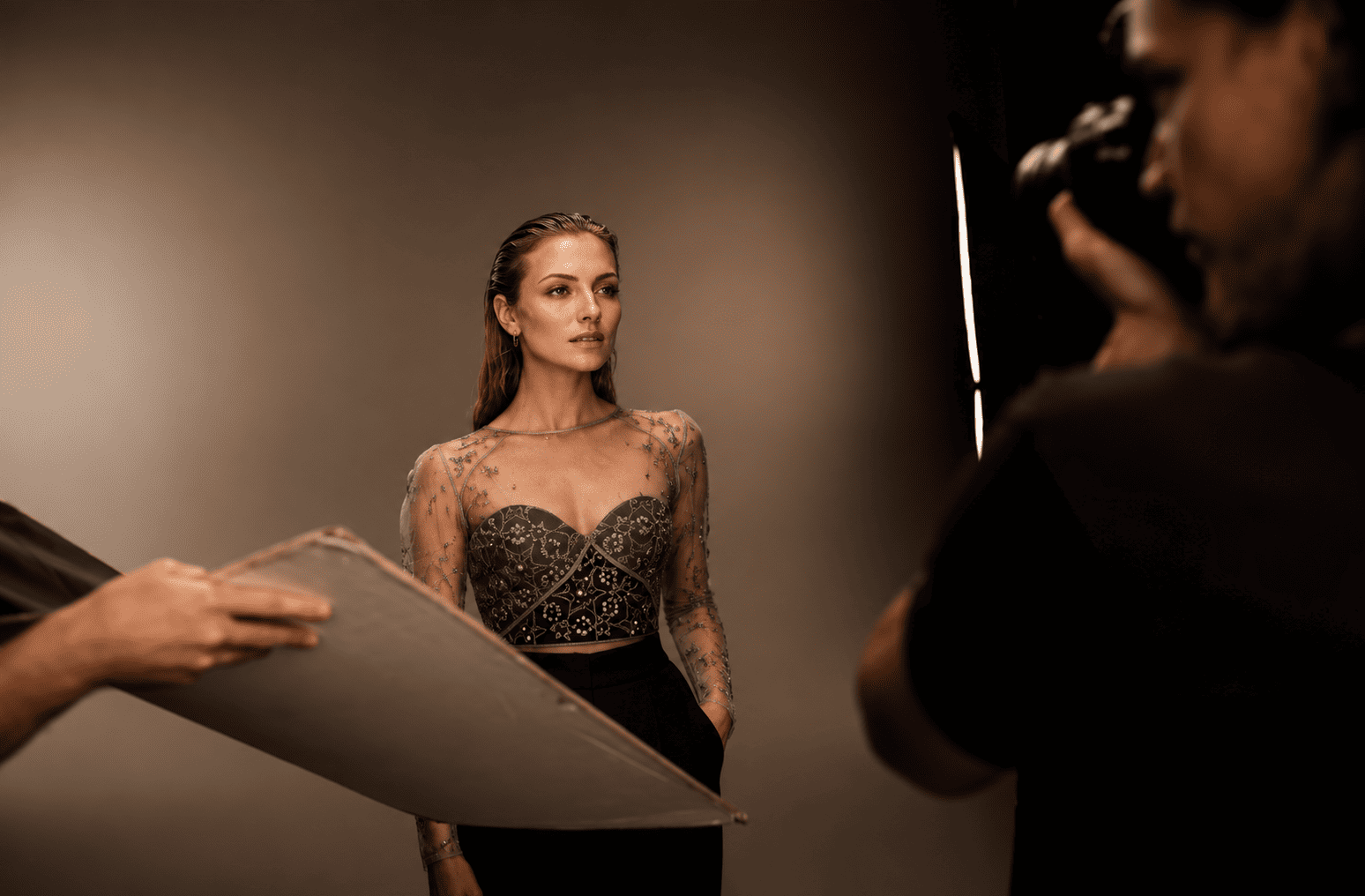
Wardrobe should support the campaign idea and work well on camera.
Color choices matter. Fabric texture matters. Logos and patterns may need review because certain designs can become distracting on screen.
Props need the same thought. A product film might use very few objects. A lifestyle campaign may need furniture and personal items to make the scene believable.
Brand assets should reach the production team early. Logos and approved typefaces may be required during post-production. Packaging artwork can matter when products appear close to the camera.
Bring backup product units whenever the project allows it. Commercial shoots become much easier when the team has replacements available for fragile packaging or products used repeatedly during filming.
Confirm Contracts, Usage Rights, and Talent Releases
Usage rights deserve a proper conversation before filming starts.
Talent release forms should specify where the finished material may appear and for
how long the brand may use it. Advertising campaigns may need broader rights than internal corporate content.
Music rights matter as well. Licensed tracks should fit the planned distribution channels.
Location agreements can cover filming access and production hours. Property releases may apply when privately owned spaces appear prominently.
Contracts should also explain project scope and payment terms. Delivery expectations belong there, too.
Clear agreements give the brand and production team a shared reference throughout the project.
Run a Final Pre-Production Meeting
The final pre-production meeting brings the working plan together.
Review the script and storyboard. Walk through the shot list and shoot schedule. Confirm talent and crew arrival times.
Discuss the location and equipment plan. Review wardrobe and props. Confirm who has the authority to approve creative decisions on shoot day.
Contingency planning also belongs in the conversation. Exterior work may require a different plan for inclement weather. Talent schedules may require flexibility. Product delivery timing can affect the order of shots.
A good meeting keeps everyone informed and gives people a chance to raise practical issues while solutions are still easy to arrange.
Commercial Shoot Checklist: Final Checks for Shoot Day
Shoot day should begin with a call sheet that everyone understands.
The call sheet should include arrival times and location details. Crew contacts and the working schedule belong there, too.
Products and props should be ready for the camera. Wardrobe should follow the approved plan. Camera and lighting equipment should match the technical list.
Talent should know their call time and role. Brand representatives should know who will approve takes.
Post-production notes can also begin during filming. Editors benefit when the production team records preferred takes or special client requests.
A little organization here saves plenty of searching later.
How Far in Advance Should You Plan a Commercial Shoot?
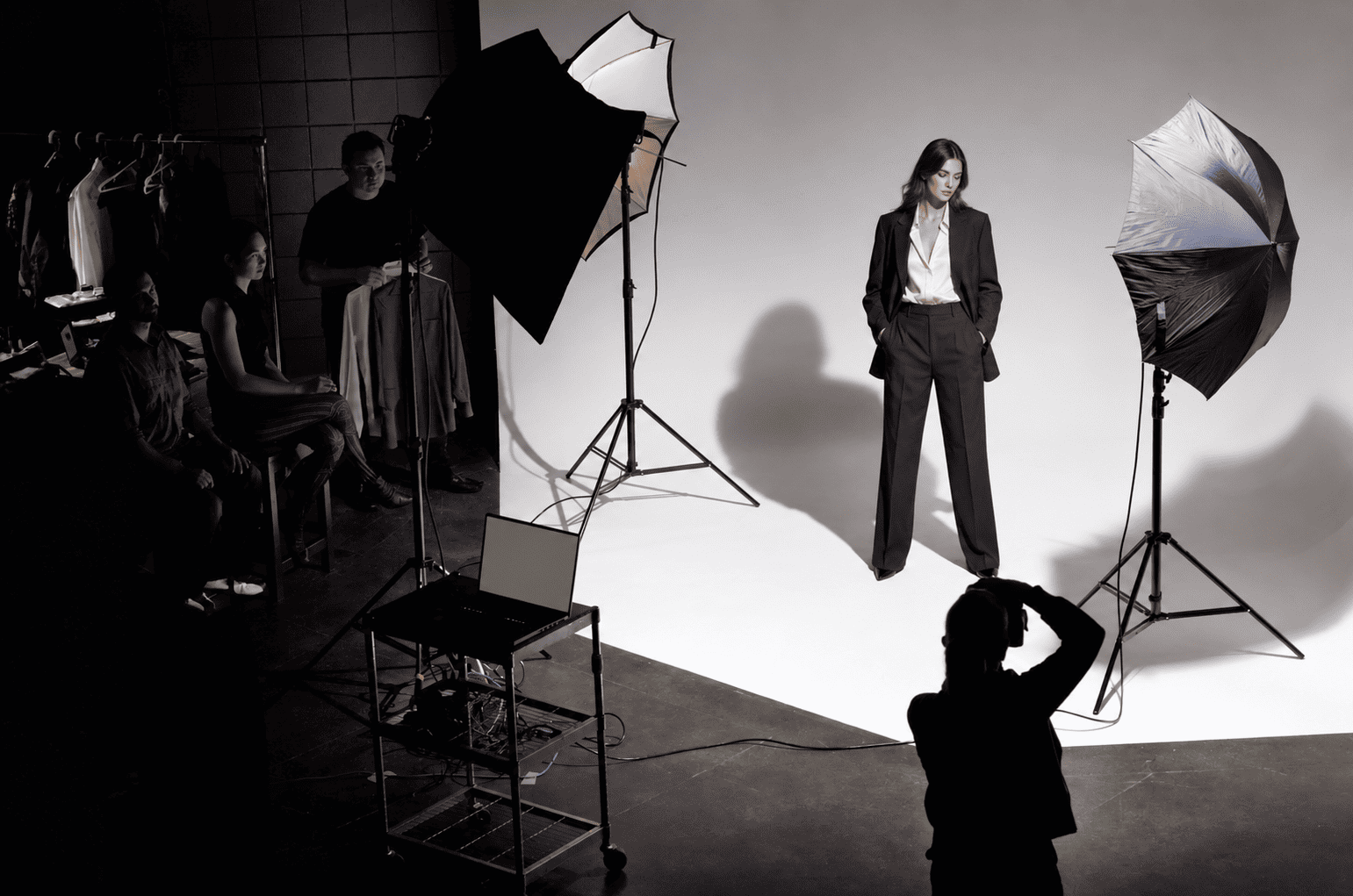
Planning time depends on production scale.
A compact studio-based product commercial can move relatively quickly when the concept and products are ready. Larger productions need more preparation because they may involve talent and locations. Permits or custom sets can add more time.
Campaigns with several stakeholders also benefit from a longer approval window. Scripts may move between marketing and legal teams. Product claims can require review. Regional campaigns may need several language versions.
Starting early gives the creative idea space to develop and gives production people time to properly prepare the details.
Rush projects can happen. A healthy production calendar simply gives the team more options.
What Should a Commercial Production Brief Include?
A creative brief should tell the production team what the campaign needs to achieve.
Include the audience and campaign goal. Add the main message and required deliverables. Share the intended distribution channels.
Visual references help when they communicate a specific idea. Brand guidelines should accompany the brief when typography or approved visual elements will appear in the final work.
Budget range and deadline belong in the document, too. Those two details immediately affect the production route.
A useful brief gives direction while leaving enough creative space for the team to develop a strong response.
What Deliverables Should You Agree on Before Filming?
List every final video format the campaign needs.
Include duration and orientation. Add resolution and language requirements. Subtitle versions may need separate files.
Social platforms often need vertical content, while websites may use horizontal footage. Paid media may benefit from shorter edits with different openings.
Post-production deliverables can include the main edit and social versions. Audio mixes or subtitled exports may be included in the package, too.
An agreement here helps the crew film enough material for the actual campaign.
Someone’s Studio plans commercial video production in Dubai with a focus on those practical details because production works better when everyone understands the destination.