
Podcasting can be trickier than you think. So, you have ideas, a potential co-host, and a vision for your show. Listen, sound is super important for keeping people interested. People will forgive shaky video. They'll scroll past mediocre graphics. But bad audio? That's a hard pass. And if you're serious about launching a podcast in Dubai, picking the right recording studio becomes one of those decisions that ripples through everything else.
So, let's talk about what actually matters when you're hunting for a professional podcast studio in Dubai. We'll break down the technical stuff, the practical side, and how to know when a space is worth your time and money.
Why Picking a Good Podcast Studio Is Important
Here's the reality: most listeners decide within the first 90 seconds if they're staying or bouncing. Audio quality influences that decision more than your topic, your voice, or your intro music. A professional podcast studio in Dubai gives you the technical edge to compete with shows that have been running for years.
Sound quality aside, there's something else. Walking into a space designed for recording changes how you perform. You're focused. The surroundings appear deliberate. You're surrounded by the right tools, good acoustics, and someone who knows how to troubleshoot when things go sideways. Trying to replicate that at home? Possible, sure. However, it requires time, money, and a learning curve that most people underestimate.
Then there's the credibility angle. If you're interviewing guests—especially high-profile ones—showing up to a professional podcast recording studio in Dubai signals you're serious. It puts everyone at ease. The space does half the work before you even hit the record button.
Home Podcast Setup vs. Professional Podcast Studio
Let's get honest about home setups. You can absolutely record at home. Plenty of successful podcasters do. But you're also dealing with background noise, echo, inconsistent sound levels, and the constant worry that your neighbor's going to fire up a leaf blower mid-episode.
A home setup might work if you're doing solo shows, keeping things casual, and you've already treated a room for sound. But video podcasts? Multi-person interviews? Forget it. You'll spend more time editing out problems than actually creating content.
A professional podcast studio in Dubai solves all of that. Soundproofing comes standard. Equipment is already dialed in. You've got multiple microphones, camera angles if you're filming, and someone who can handle the mixing while you focus on hosting. It's faster. It's cleaner. And honestly, it's less stressful.
The cost argument often arises. "Why pay for a studio when I can buy my own gear?" Fair question. But here's the math: a solid microphone runs around AED 1,500. Audio interface? Another AED 1,200. Soundproofing foam, a mixer, cables, a decent camera if you're filming—you're looking at AED 10,000+ before you've recorded a single episode. And you still have to learn how to use it all.
Renting a podcast studio in Dubai? You're paying per session, getting access to gear worth tens of thousands, and leaving the technical headaches to someone else.
Sound Quality & Acoustics to Look for in a Podcast Studio
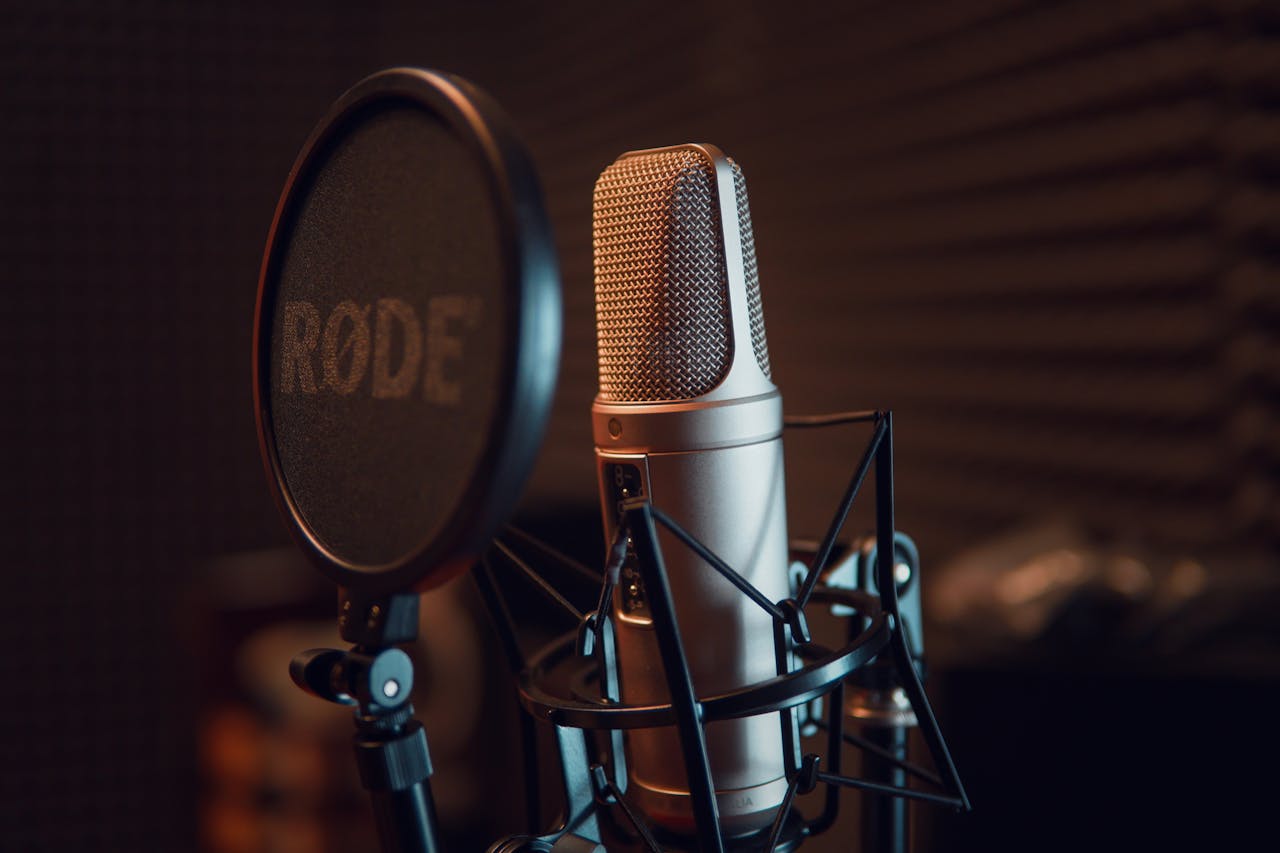
Acoustics are weird. You can have expensive gear and still sound like you're recording in a parking garage if the room's wrong. Professional podcast studios in Dubai are designed with sound in mind. That means absorption panels on the walls, bass traps in the corners, and strategic placement of everything from furniture to microphones.
Here's what to check when you tour a space. Clap your hands. If you hear a noticeable echo or flutter, the room's got problems. Good studios sound "dead" in the best way—no reverb, no bounce. Your voice should seem near, controlled, and present.
Ask about the studio's noise floor. That's the background noise of the room when you're quiet. Cheaper studios might have HVAC noise, street sounds bleeding through windows, or electrical hum from poorly shielded cables. A soundproof podcast studio in Dubai worth its salt will have a noise floor so low you could record whispered dialogue, and it'd sound clean.
And if you're doing video podcasts, lighting and acoustics need to play nice together. Some foam panels mess with how light bounces. A good studio figures out the balance so your sound stays tight and your video looks sharp.
Essential Podcast Equipment Every Studio Should Offer
Walk into any podcast production studio, and you'll see a lot of gear. But some pieces matter more than others. Here's what should be standard, minimum.
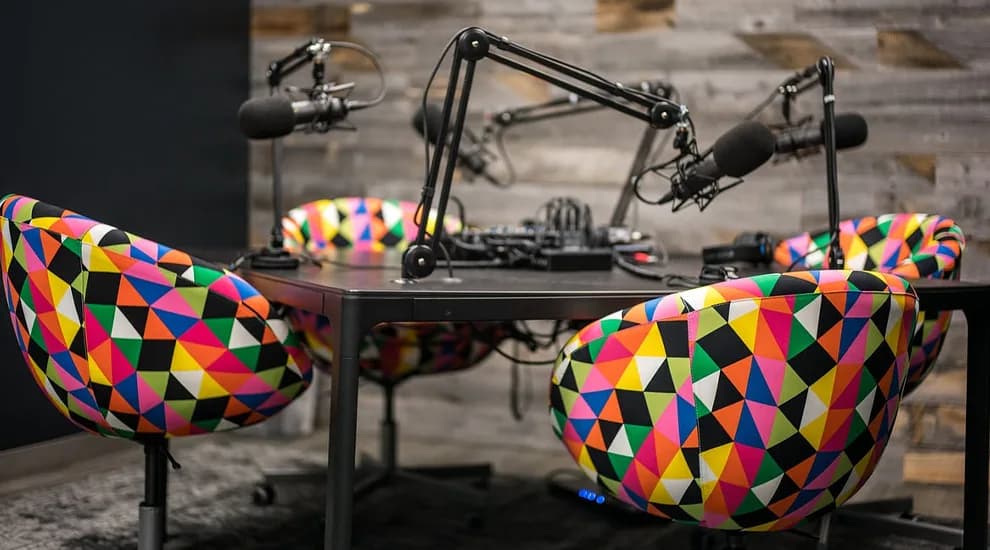
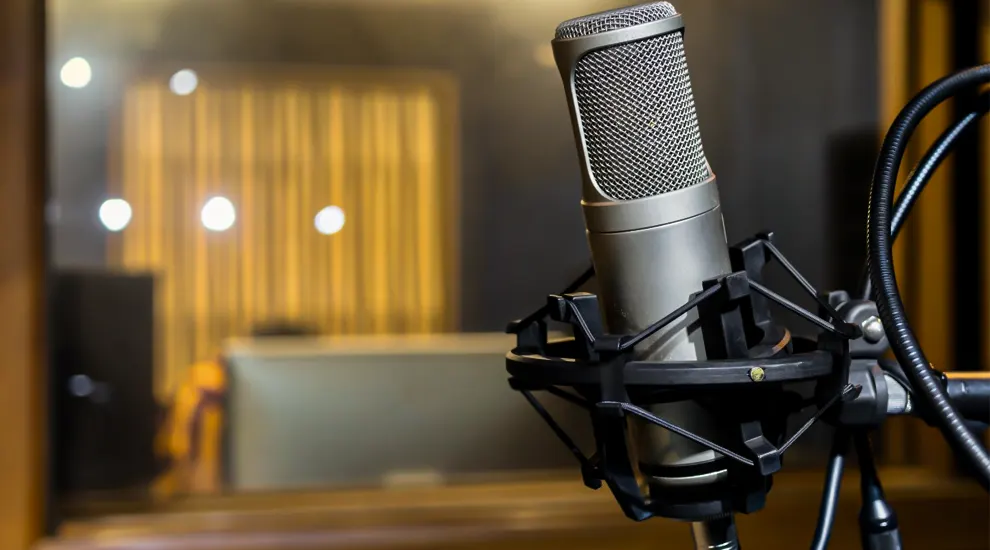
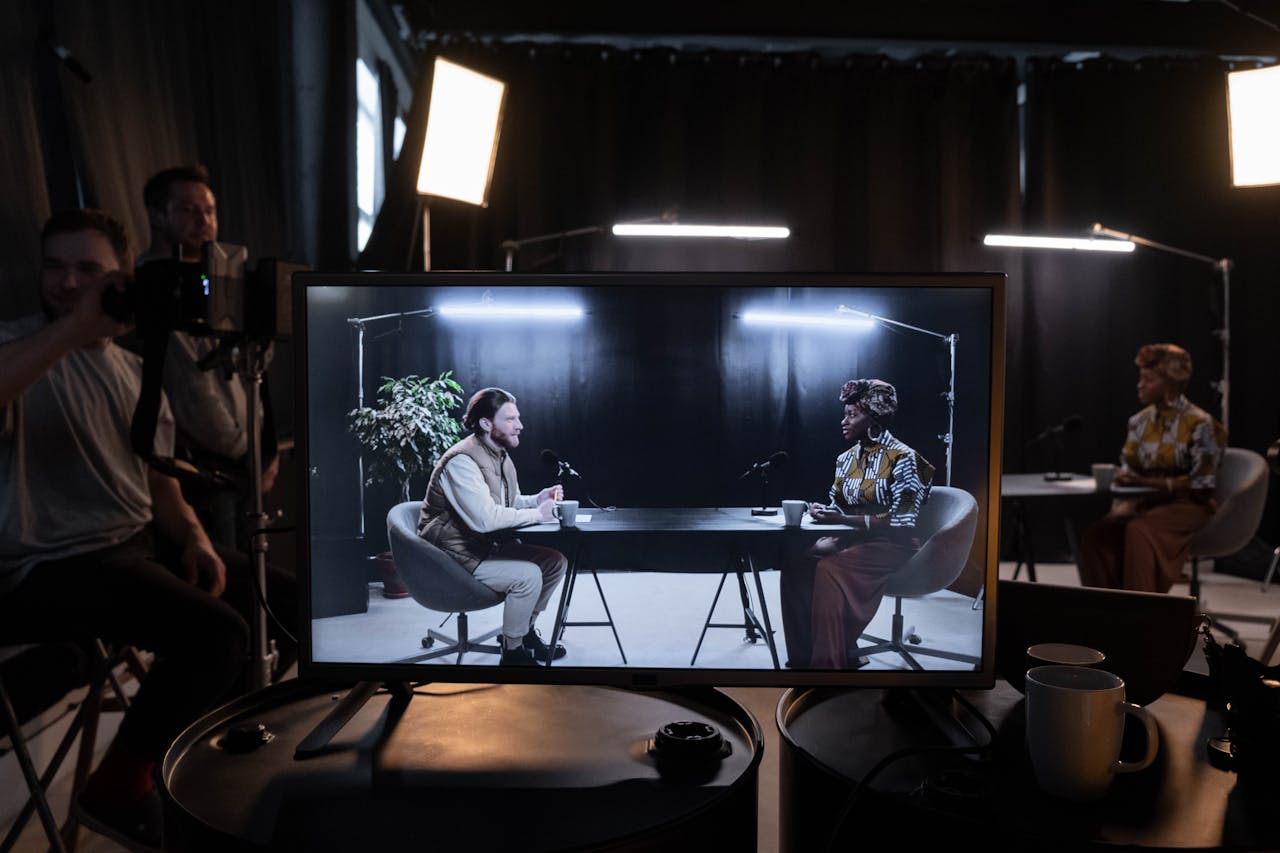
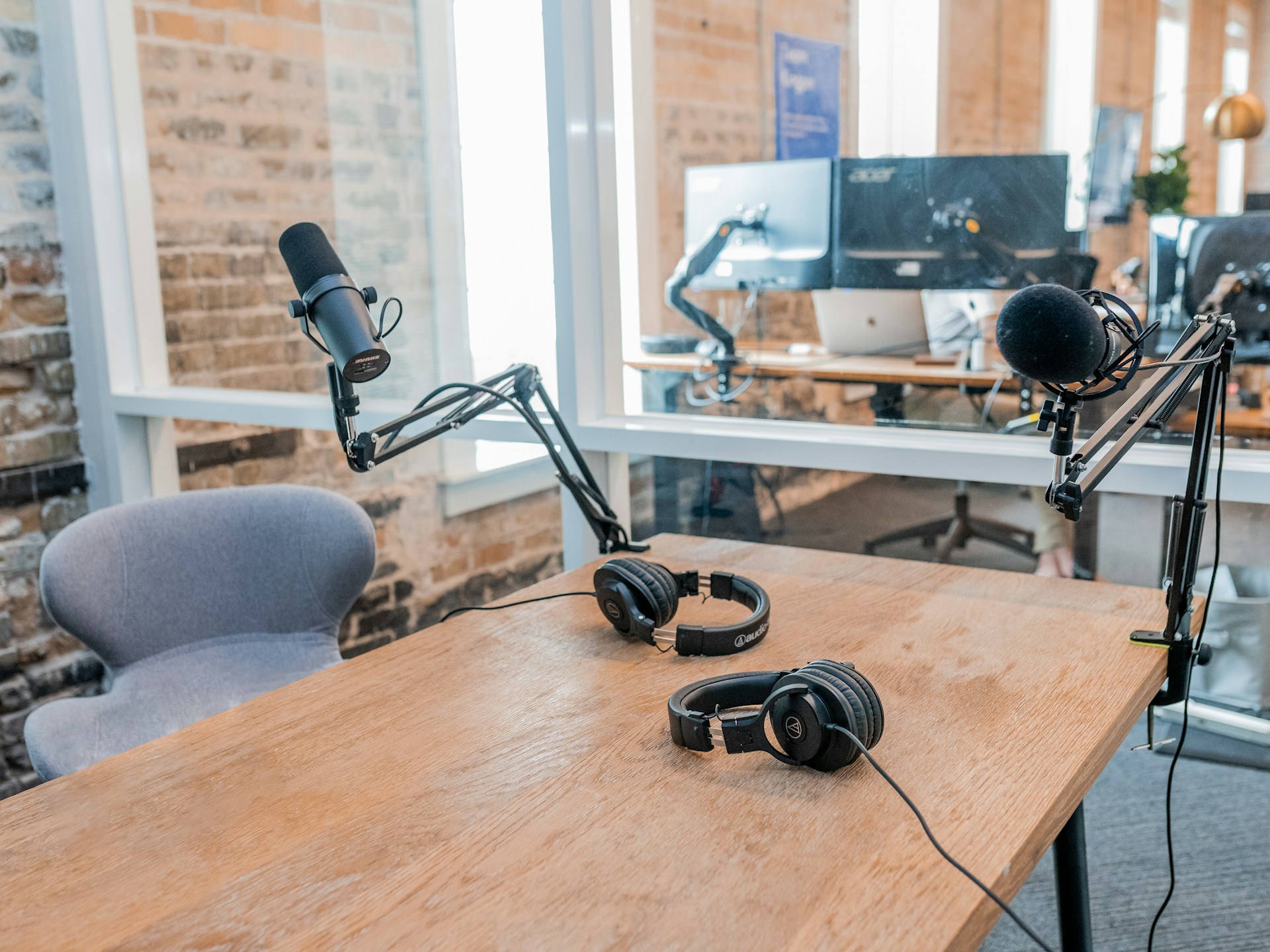
Microphones: Look for dynamic mics like the Shure SM7B or Electro-Voice RE20. These are industry workhorses. They handle close-up recording, minimize background noise, and produce a warm sound. Condenser mics work too, but they're pickier about the environment. If the studio's using cheap USB mics, that's a red flag.
Audio interface: The interface converts your voice into digital audio that your computer can process. Focusrite Scarlett series or Universal Audio Apollo units are solid. You want something with multiple inputs so the studio can handle several people recording at once.
Headphones: Closed-back headphones are the move. They prevent sound bleed into the mics and allow everyone to monitor the recording in real-time. Sony MDR-7506 or Audio-Technica ATH-M50x are reliable choices.
Mixing console: Some studios opt for digital consoles, while others prefer analog consoles. Either works, as long as the engineer is familiar with its use. The mixer controls levels, adds effects if needed, and keeps everyone's audio balanced.
Pop filters and boom arms: Small things, but they matter. Pop filters stop harsh plosives (those hard "p" and "b" sounds). Boom arms keep mics positioned right where you need them.
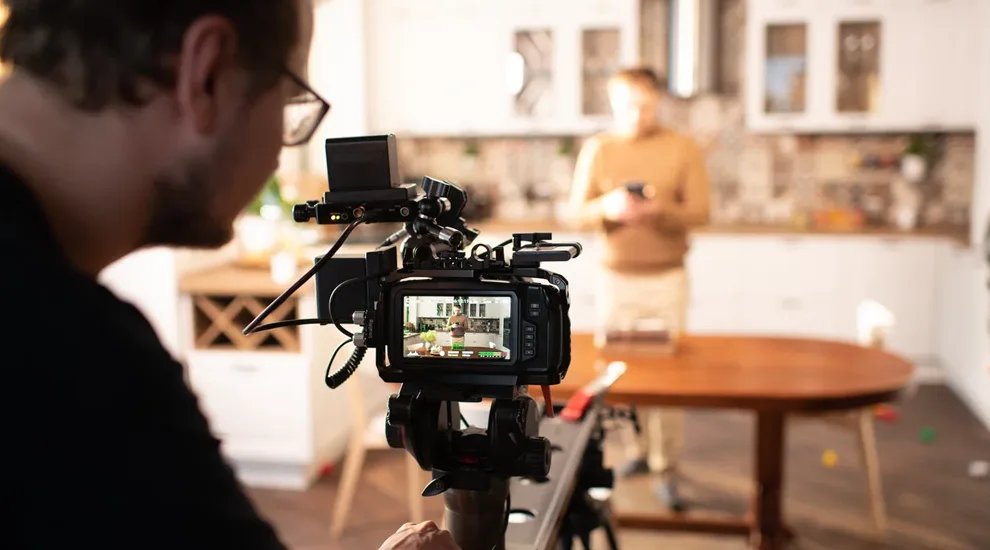
If you're recording video podcasts, the gear list expands. You'll want multiple cameras, proper lighting (more on that in a sec), and a way to sync audio and video during editing. Studios that specialize in video podcast recording in Dubai should have all of this ready to go.
How Lighting & Camera Setup Improve Video Podcasts
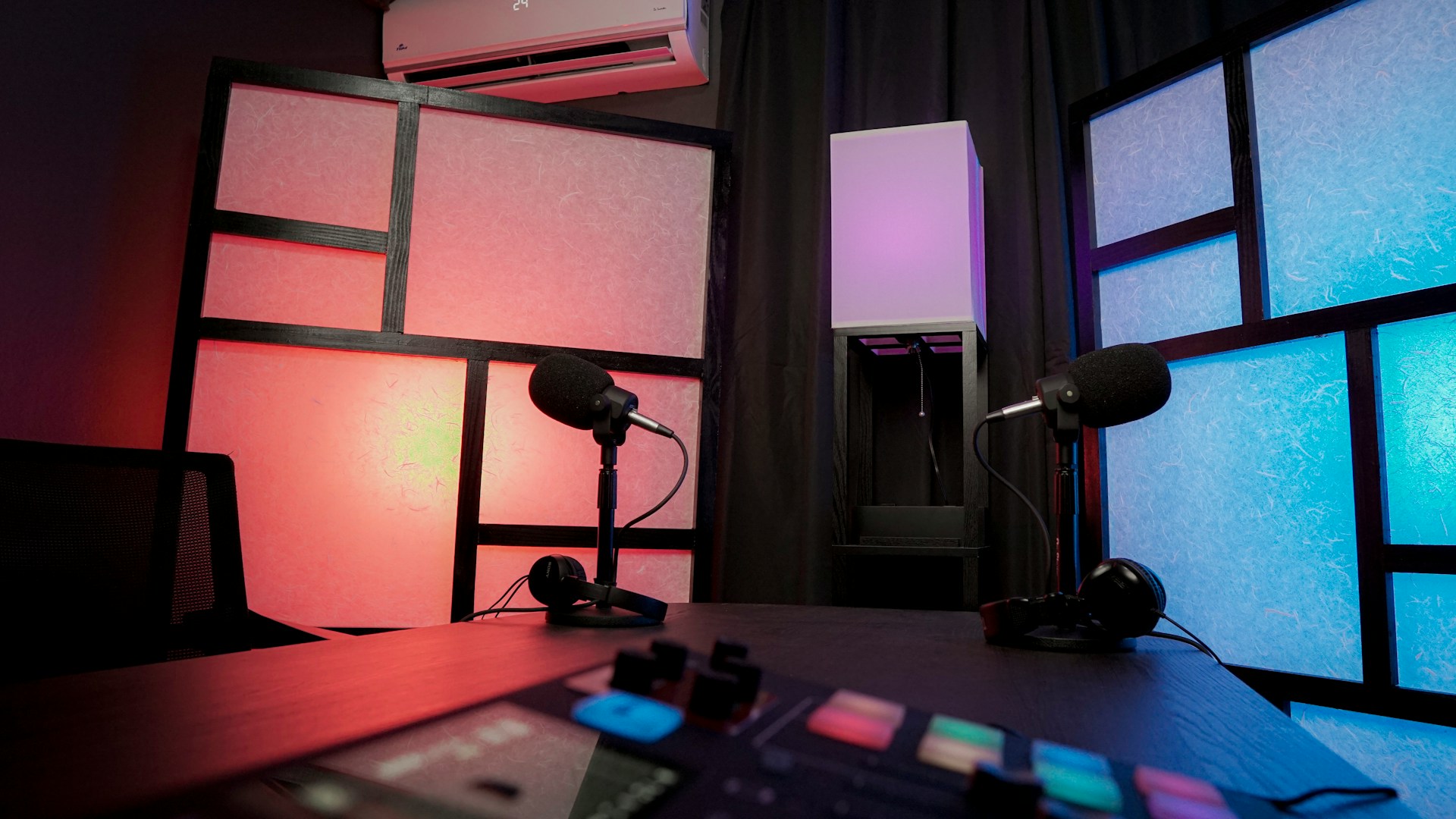
Lighting changes everything. You might possess the world's priciest camera, however, if illumination is poor, you'll appear pale, dark, or simply… odd. Good lighting makes you look alive, engaged, and approachable.
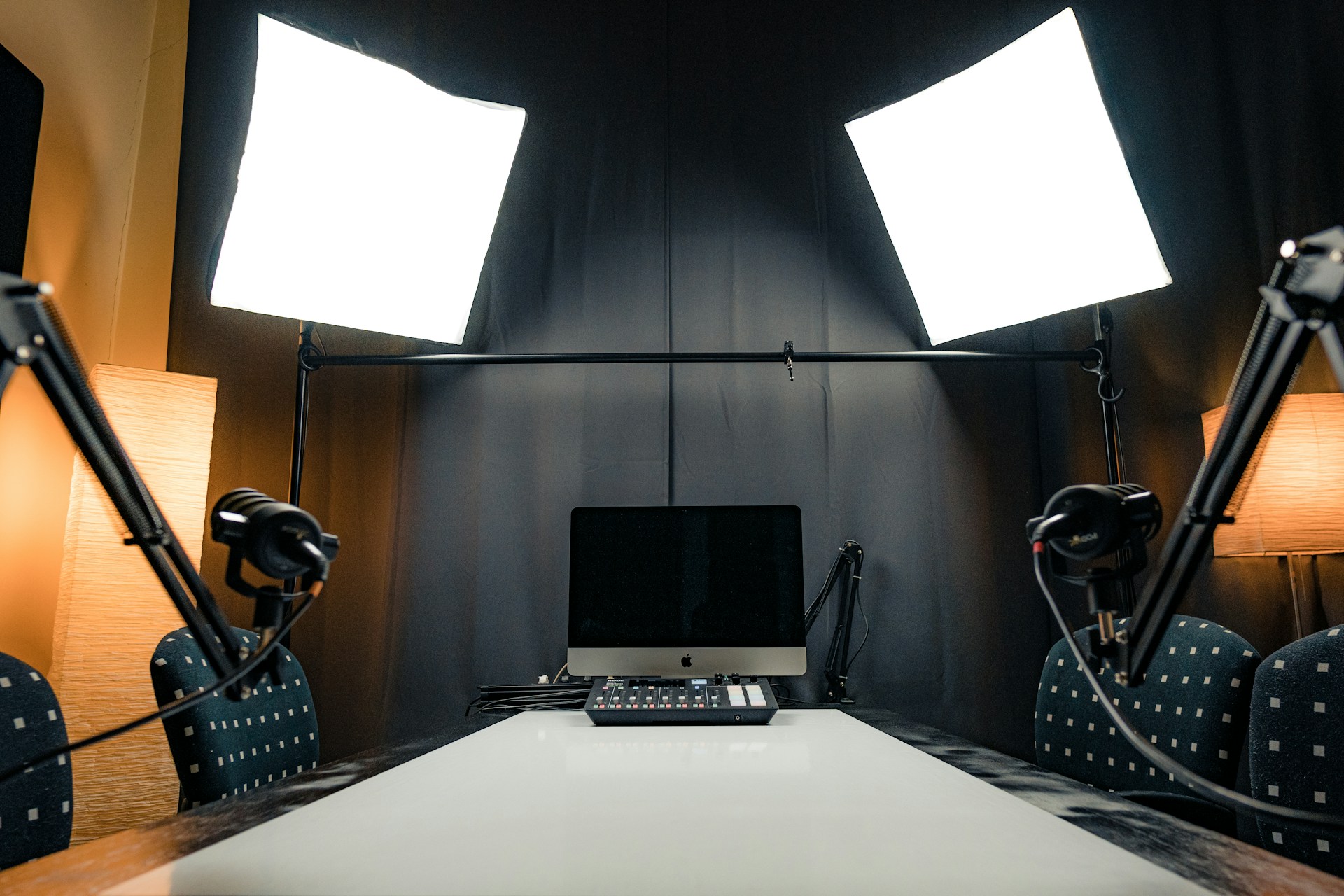
A three-point lighting setup is standard for video podcasts. You have your key light (the main one), a fill light (which softens shadows), and a backlight (which separates you from the background). When done right, it looks natural. You don't even notice it's there.
Soft lighting works better than harsh overhead lights. LED panels with adjustable color temperature are ideal. You want something around 5000K-5600K to match natural daylight. If the studio's using cheap clamp lights from a hardware store, you'll see it in the footage.
Camera angles matter too. One static shot gets boring fast. Multi-camera setups enable you to cut between angles during editing, using wider shots to establish a point, close-ups for emphasis, and side angles to showcase interaction between hosts and guests. A good video podcast studio in Dubai will typically have at least two cameras, ideally three or four, if it's a serious operation.
And if you're planning to stream live or post clips on social media, you'll want the studio to handle real-time switching and graphics overlays. That's a step up from basic recording, but it's becoming increasingly common as podcasts shift their focus to visual platforms like YouTube and Instagram.
Audio vs Video Podcasts: Studio Requirements Explained
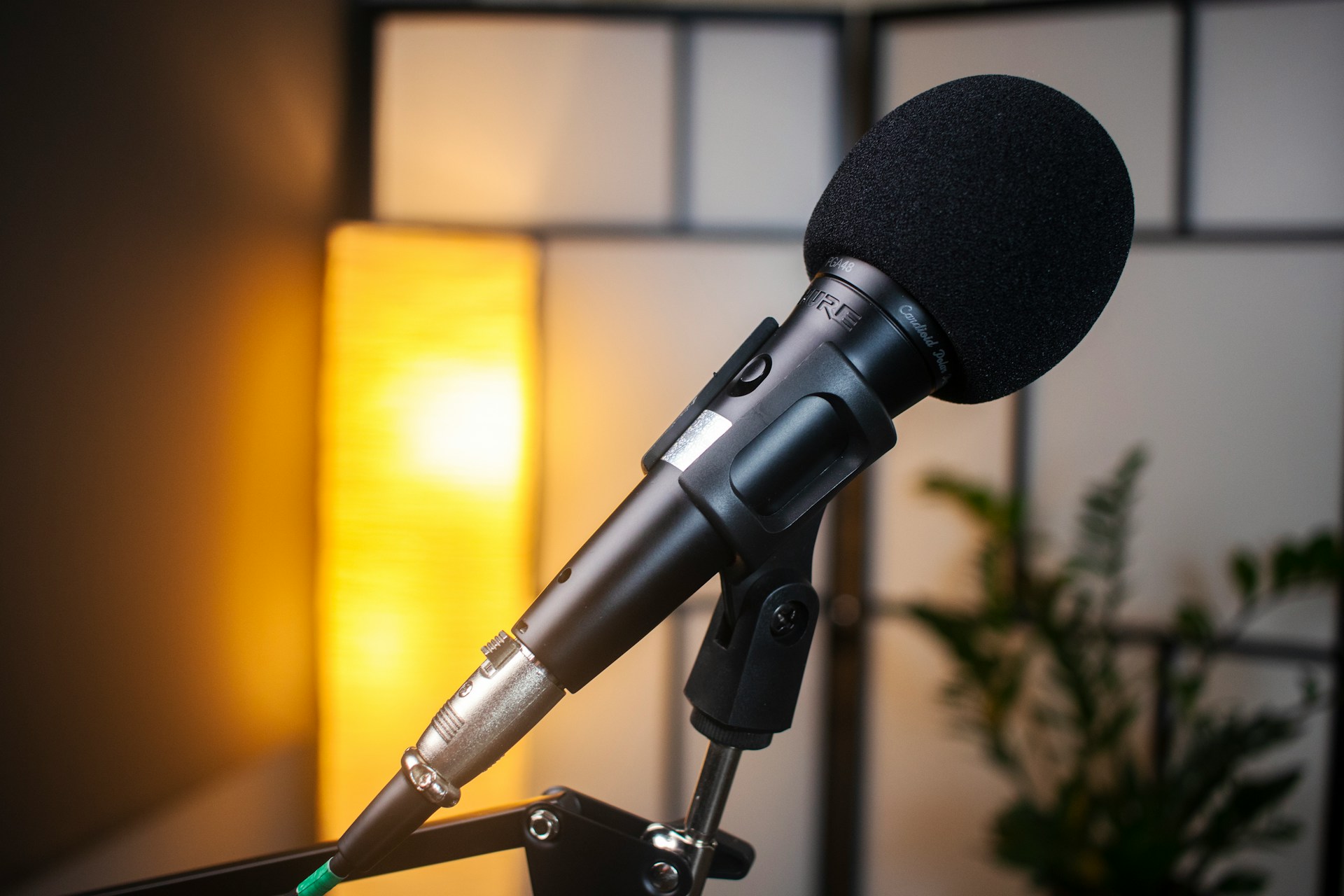
Audio-only podcasts are simpler. You need mics, an interface, headphones, and a treated room. That's the baseline. Recording goes faster, editing is lighter, and you can get away with fewer technical details.
Video podcasts? Whole different beast. You're managing cameras, lighting, framing, background design, and then syncing all of that with your audio. Post-production takes longer. File sizes are massive. And if something looks off—such as weird shadows, awkward camera angles, or poor color grading—it's distracting.
The upside? Video podcasts open up more distribution channels. YouTube is the second-largest search engine globally. Clips do well on TikTok, Instagram Reels, and LinkedIn. You can monetize through ads, sponsorships, and platform partnerships more easily than audio-only shows.
So, studio requirements shift depending on your format. When working with audio, prioritize sound quality and acoustics above all else. If you're creating video content, you need a space that handles both sound and visuals without compromise. Plenty of podcast studios in Dubai specialize in one or the other. Some do both well. Figure out what you need before you book.
Cost vs Quality: What a Good Podcast Studio Should Include
Here's the tension: you want quality, but you're also watching your budget. Understandable. Podcast studio rental in Dubai ranges from AED 200 per hour on the low end to AED 1,500+ for high-end production studios with full video setups.
Cheaper studios can get the job done if you're just starting. You'll have decent mics, basic soundproofing, and maybe a small control room. Expect to do more of the editing yourself. The engineer might be less experienced. You'll probably run into small annoyances—a cable that buzzes, a chair that creaks, lighting that's too harsh.
Mid-range studios (around AED 500-800 per hour) usually hit the sweet spot. You're getting better gear, more experienced engineers, and a space that's been fine-tuned for sound. Video setups are more common here. Post-production services might be included or available as an add-on.
High-end studios are for individuals who require everything to be taken care of. Consider influencer or business podcast studios, where clients travel from other cities to work with them. You're paying for premium gear, multiple recording rooms, full production teams, and editing services that take the raw recording and turn it into a polished, show-ready piece, ready to publish.
Here's what to look for at any price point: transparent pricing, no hidden fees, flexibility with booking, and engineers who actually listen to what you're trying to do. A good studio will ask about your show, your audience, and what kind of sound or look you're going for. If they just hand you a rate card and say, "Pick a time," that's a bad sign.
Who Should Use a Professional Podcast Recording Studio
Solo creators recording weekly episodes might get away with a home setup. But as soon as you're interviewing guests, recording with a co-host, or trying to produce high-quality video, a professional podcast studio makes sense.
Content creators and influencers who host video podcasts rely heavily on studios. The production quality needs to match what their audience expects. Filming at home feels low-effort. A content creation studio in Dubai gives them the polished look that keeps people watching.
Business podcasts are another big use case. Companies launching branded shows want to sound authoritative. A soundproof podcast studio ensures clean audio, which builds trust. And if they're bringing in guest speakers—industry leaders, clients, partners—recording in a professional space reflects well on the brand.
Agencies producing podcasts for clients almost always rent studios. They need consistent quality across multiple shows. Managing that in-house would require a huge upfront investment. Renting provides them with access to various spaces, tailored to the specific needs of each project.
And then some hobbyists've outgrown their bedroom setup. Maybe their show's getting traction. Sponsors are reaching out. Listeners are asking for a video. At some point, upgrading to a professional podcast recording studio becomes the logical next move.
Final Checklist for Choosing the Best Podcast Studio in Dubai
Before booking, review this checklist. It'll save you headaches down the line.
Sound quality: Clap your hands in the room. Does it echo? Ask to hear a sample recording. If they're hesitant to share one, walk away.
Equipment: Check the mics, audio interface, and headphones. If you're doing video, ask about cameras, lighting, and how they handle multi-camera setups.
Acoustics: Look for foam panels, bass traps, and a room that feels "quiet." HVAC noise, street sounds, and electrical hum are all dealbreakers.
Engineer experience: Talk to the person who'll be running your session. Do they understand podcast production? Can they troubleshoot on the fly? Have they worked on shows similar to yours?
Booking flexibility: Can you book recurring sessions? Do they offer packages for multiple episodes? What happens if you need to reschedule?
Editing services: Some studios include basic editing. Others charge extra. Know what you're getting. If you're handling the editing yourself, ensure you receive the raw files in a format that you can work with.
Location: Practical question, but it matters. Is the studio easily accessible? Is there parking? If you're bringing guests, you want the logistics to be simple.
Vibe: Sounds vague, but you'll know it when you feel it. A good studio feels like a space built for creating. The staff is helpful. The energy is focused. You leave feeling like you did good work.
Test run a session if you can. Book one hour, bring your gear or use theirs, and see how it goes. You'll learn more from one real recording than from any amount of research.