Brand perception in video production begins with the meaning viewers attach to the scene, often while a creative team is discussing an apparently technical choice. Consider a hypothetical ceramic tableware campaign filmed against a dark blue surface. The client wants the collection to feel suitable for everyday meals. Several reviewers describe the image as formal. The director can investigate which detail suggests formality and test another treatment against that interpretation.
Color decisions belong in that discussion alongside the way a product occupies the frame, since both affect what the audience sees during playback. Soundtrack choices deserve a review against the finished scene. Someone’s Studio’s brand-centered creative work connects production choices with the client’s identity. For a brand director, the immediate task is to describe the desired impression in terms that the crew can examine during a camera test.
Write an Impression the Team Can Test
Your brief should state what a potential customer should infer concerning the product after watching the proposed film; the wording should describe an actual purchasing situation. For the tableware example, the desired impression might concern ease during an ordinary family meal. The director can discuss what the person does with the plate and which visible details explain its everyday use.
Reviewers need a shared question when they compare treatments, particularly when personal preferences could send the production in several different directions during approval. Ask which meal the film seems to depict. Invite viewers to identify the image that led to their answer. Descriptions such as formal dinner or weekday lunch provide more usable feedback than a general request for a more attractive image.
Read Color within the Scene
Color research offers reasons to examine context when interpreting a palette, with findings that deserve closer reading than familiar charts assigning a fixed emotion to a hue. Andrew Elliot’s 2015 review discusses contextual influences and methodological problems in color research. The review concerns psychological responses across different situations. Applying its findings to a particular brand film requires evidence from that film’s intended audience.
For the tableware campaign, a blue surface might suggest something different when it appears beside casual food than when it surrounds an elaborate evening place setting. The palette’s meaning belongs to the depicted situation. Prepare a comparison that retains the product position and changes the surrounding color. Ask viewers to describe the meal they imagine. Keep the wording consistent so the questions themselves provide comparable conditions.
Product accuracy creates a separate production concern when lighting makes a glaze appear different from the sample that customers will receive after purchase. The camera team can prepare a reference image using the actual product. Review the proposed treatment beside that reference on an agreed display. If the creative treatment changes the apparent glaze, the brand team should decide how to preserve an accurate product depiction within the scene.
Decide What the Frame Lets People Judge
Composition determines which visible information the audience can inspect, so a production discussion should begin with the detail needed to understand the proposed message. Close framing may show the plate’s rim. Wider framing can show how it fits into a meal. Selecting a view requires a reason tied to what the viewer needs to assess. Explain that reason when proposing the camera position.
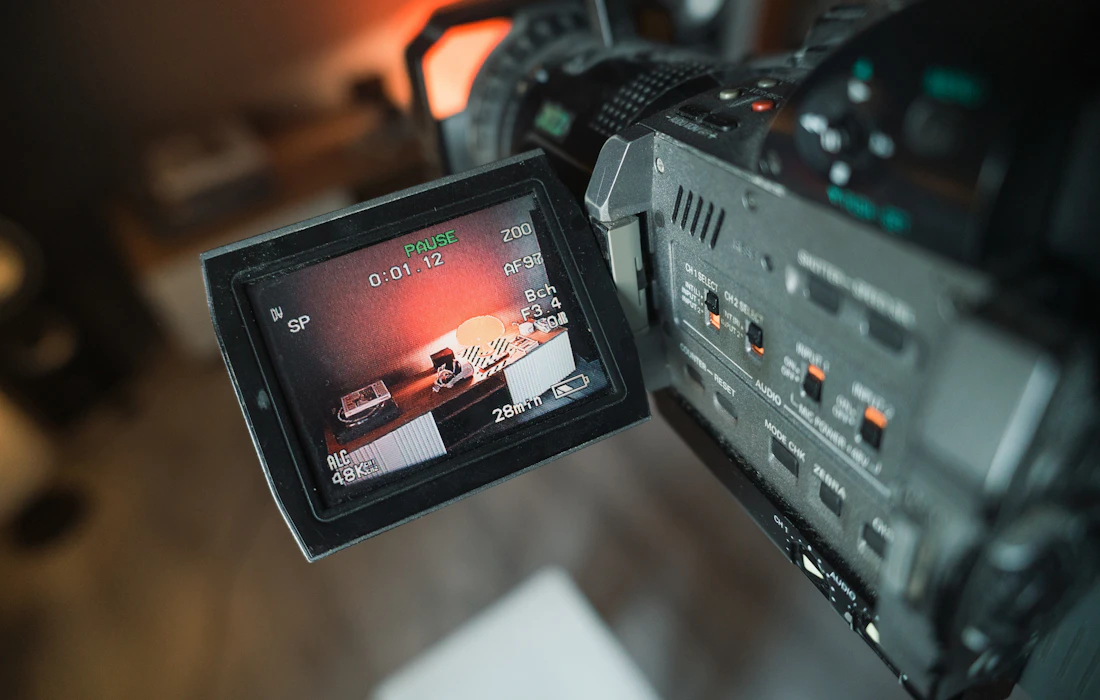
Imagine that the hypothetical collection includes a shallow bowl whose depth is difficult to judge in an overhead photograph prepared for the campaign. Lowering the camera would show its side profile. Place a spoon beside the bowl if scale needs explanation. The creative team can inspect that arrangement for visual distraction, then decide whether the utensil contributes useful information to the proposed image.
Screen layout deserves an early review whenever the campaign includes text that will occupy space beside the product during playback on a phone. Test the actual copy in the proposed image. Captions might cover the rim detail that the camera was meant to show. Move the product or change the framing during preparation, while the team can still select the view that the message requires.
Listen to the Meaning Added by Music
Soundtrack research shows that music can alter how an audience interprets an unchanged scene, with experimental findings that concern specific material and viewing conditions. Researchers conducting a 2020 study compared responses to the same film clip with different soundtracks. Participants’ interpretations changed with the music. The researchers examined an ambiguous movie scene, so a brand team would need its own evidence for claims concerning a campaign’s commercial effect.
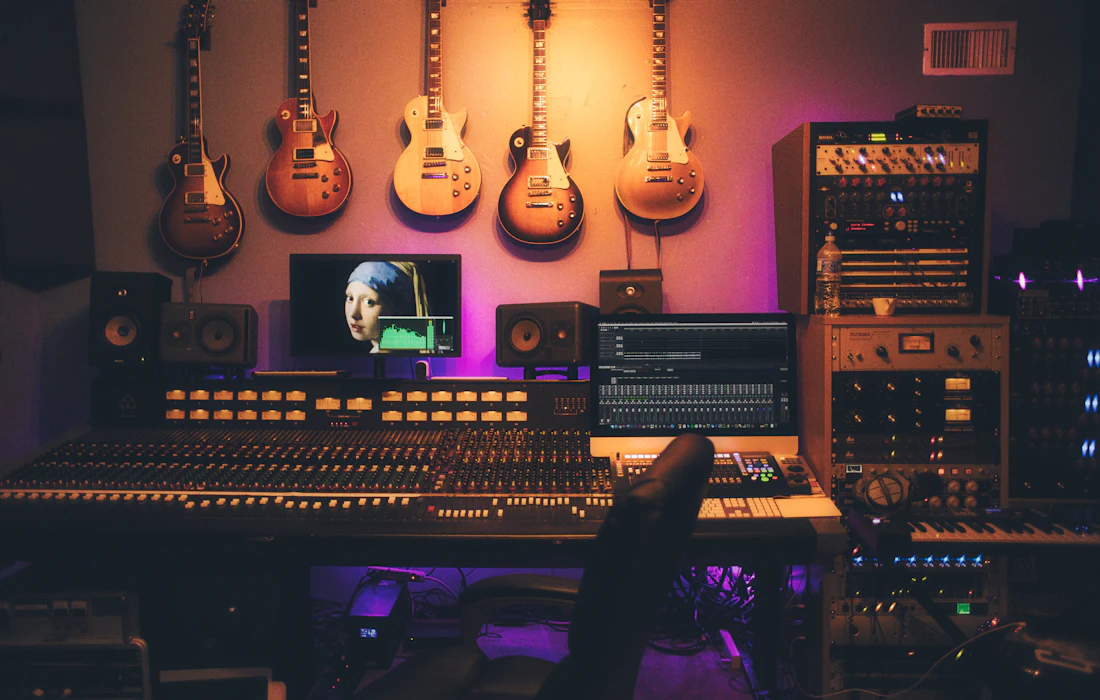
Your editor can prepare two versions of a short product sequence while retaining the same images, so reviewers can hear what a soundtrack contributes to the proposed treatment. For the hypothetical tableware film, compare a sparse instrumental track with a busier arrangement. Ask viewers what kind of gathering the scene suggests. The useful answer concerns the scene’s meaning, which can differ from the track a reviewer prefers in isolation.
Everyday sounds can supply information that the picture leaves uncertain, particularly when the action involves a material or mechanism whose behavior customers want to assess. Placing a ceramic cup on a table produces a specific sound. Record the actual action during a test and discuss how prominently it belongs in the edit. Added effects should remain consistent with the product and the action depicted on screen.
Compare Treatments with Suitable Viewers
Audience review works best when the participants resemble the people the campaign intends to reach and the questions address a decision still open to revision. Employees may already know which impression the team wants to communicate. Invite relevant potential customers to describe the proposed scene in their own words. Record their explanations alongside the version they saw so a creative director can investigate recurring interpretations.
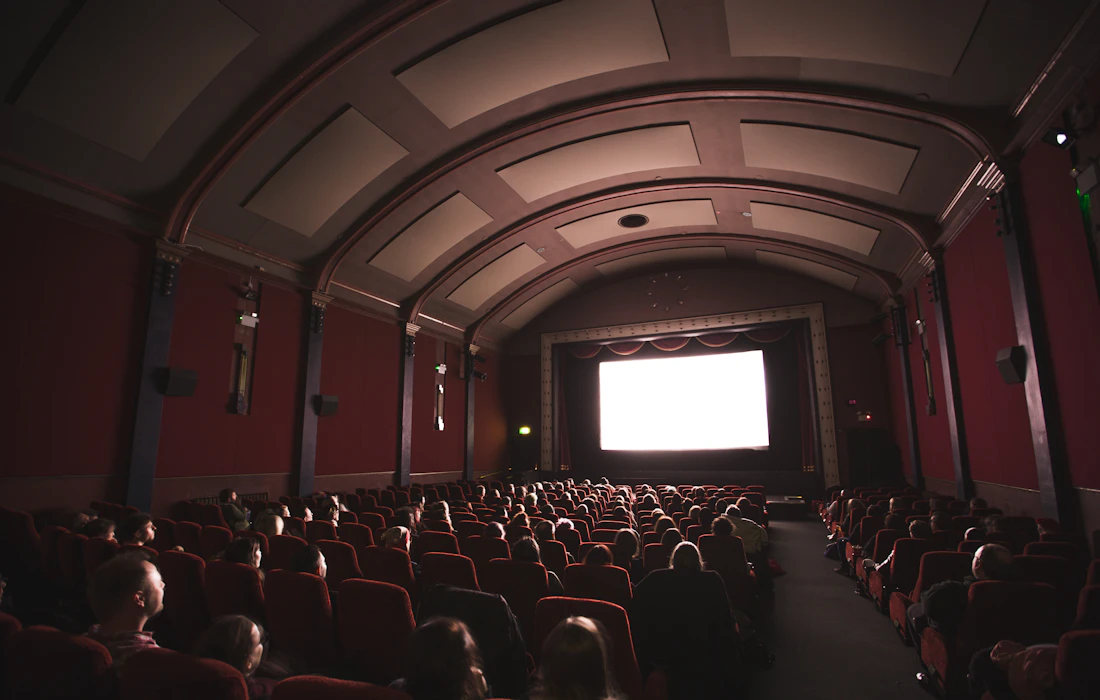
Comparisons become harder to interpret when a revised treatment changes the color treatment and soundtrack together, particularly if the team then attributes the response to one choice. Start with a specific question. Keep the images unchanged during an audio comparison. For a color comparison, retain the same shot and soundtrack. Later, review the complete proposed treatment to examine how the approved choices work in the finished sequence.
Small sessions can expose a misunderstanding that deserves further investigation, with the findings recorded as feedback from the particular people who participated in the review. Decisions involving a substantial campaign budget may warrant a researcher’s advice on study design. Ask the researcher to specify the audience and sampling method. The resulting evidence should support the scope claimed for it when the team presents its recommendation.
Review the Actual Viewing Conditions
Your production review should include the destination where people will encounter the film, since an image approved on a large display may communicate differently within a smaller layout. Inspect the product at the expected playback size. Play the scene on a phone to assess whether the detail remains legible. Discuss another shot if the proposed composition asks viewers to inspect information that occupies too little space.
Language versions deserve their own composition check when the campaign uses Arabic and English copy, particularly where captions share the frame with a product demonstration. Ask qualified language reviewers to read the wording within the proposed layout. Check the line breaks after translation. Layouts approved with one language may need a different text position when the final wording changes its length.
Muted playback provides a useful review condition when a campaign’s message relies on a spoken explanation that some viewers may encounter through captions. Watch the intended version with its audio silenced. Check which product information remains available in the image. The team can add readable text or revise the shot sequence when the proposed message needs visible explanation during that viewing condition.
Carry the Decision into Production
Approval should identify the proposed treatment and the audience response supporting it, especially when an attractive alternative communicates a different purchasing situation from the one in the brief. Retain the short test beside the written decision. Describe the particular detail that prompted a revision. The crew then has an actual image to reproduce and a reason for preserving it when production conditions require another choice.
Someone’s Studio describes campaign production that considers related media assets, where the same creative decision may need a different execution for a shorter film. Agree which impression the shorter edit should retain. Check whether its opening supplies enough context for that interpretation. Close product footage may need an accompanying action to communicate the everyday meal proposed in the original tableware example.
Brands preparing a new film can discuss the intended audience and proposed product story with Someone’s Studio through the production inquiry page. Share an existing image that communicates the desired impression. Include a short explanation of what viewers should infer from the next campaign, so the initial discussion can proceed to a creative treatment that the team can examine during production planning.