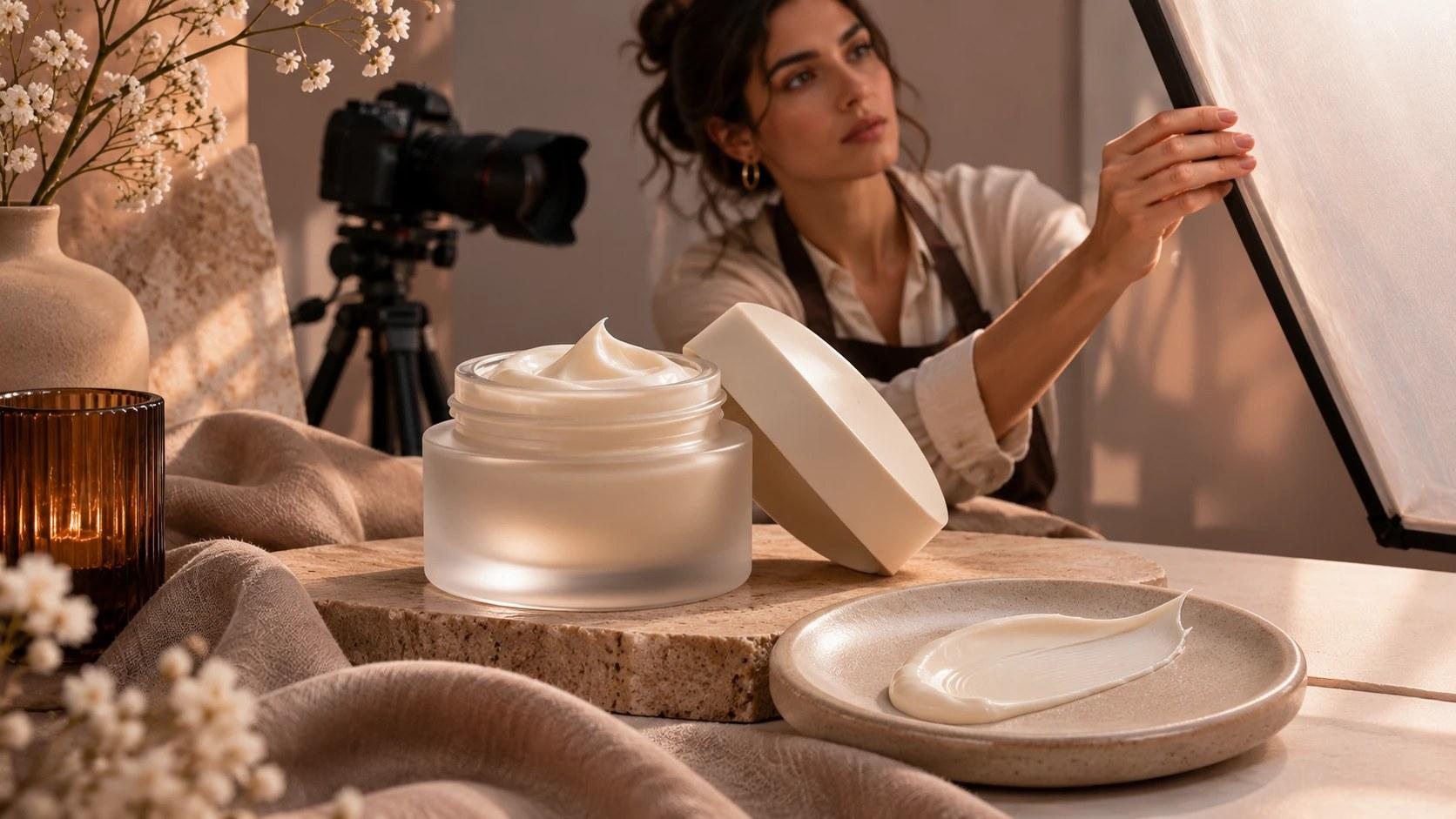
Beauty product photography in Dubai requires creative decisions that preserve the formula's visible character while communicating the brand's intended message to its audience. Cream photographed as a thin liquid suggests a different application from cream retaining a dense ridge. Even an attractive image becomes less useful when the treatment changes what customers expect from the jar. The brief needs to identify which physical qualities deserve a close view and how the campaign will use that photograph.
Someone's Studio describes its brand-centered creative work through the relationship between a client's identity and the production decisions used to express it. For cosmetics, the visual proposal needs to account for the actual product alongside the desired campaign mood. The cream's visible edges need to explain its consistency within the proposed composition. Keep the discussion specific to the sample being photographed.
Decide What the Photograph Needs to Explain
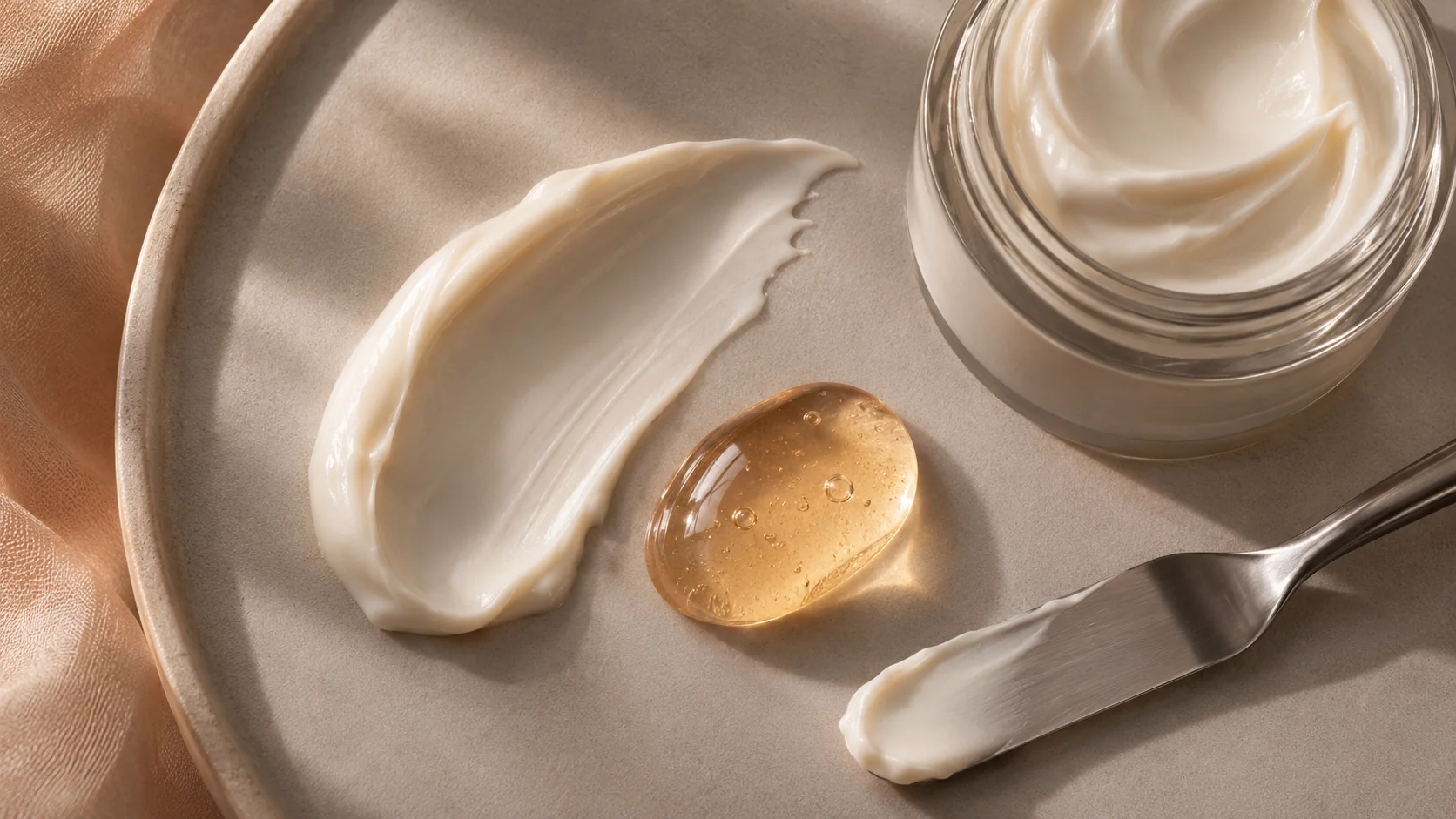
The product's container and the formula inside it often require separate photographs, particularly when the packaging conceals the substance customers will apply. Photographs showing an opened jar explain the relationship between the cream and its container. For a texture study, a small amount spread on a suitable surface makes the formula easier to inspect. Assign the close photograph a specific purpose within the campaign instead of treating it as decoration.
For an illustrative face-cream commission, the brand might request an image that shows the dense cream retaining a soft ridge after a spatula passes through it. Describe that desired observation in the brief and test it with the actual formula. If the product settles into a flatter surface, photograph its actual behavior. Any substitute substance would communicate the substitute's physical qualities, even when the color appears similar.
Product performance statements require evidence appropriate to the claim, so keep the photographic commission distinct from any clinical assessment the brand commissions. Visible texture explains appearance at the moment photographed. Hydration duration needs its own substantiation. Ask the brand's responsible reviewer to approve any performance wording paired with the image, particularly when surrounding copy changes the photograph's apparent meaning.
Light the Formula for Its Actual Surface
Side illumination deserves a test when the photograph needs to describe a raised cream ridge or fine particles in a cosmetic powder. Adobe's texture-photography guidance discusses diffused artificial light and side light as ways to make surface detail visible. Compare the result with the sample at the intended reproduction size. Strong shadows that exaggerate a small ridge deserve a less dramatic light position.
For a translucent gel, the useful photographic question concerns its transparency and how the camera records the surrounding surface through the material. Test a modest bead against the proposed background. Dense background patterns can make the gel difficult to read, particularly after a small mobile crop. Let the camera position retain the bead's edge so the viewer can distinguish the substance from its supporting surface.
The sample's condition deserves attention during the test when application changes its visible appearance over the time available for photography. Record a fresh application and compare it with the same sample later in the session. If the surface has changed, use a fresh amount for the approved view. The schedule then needs sufficient time for repeated preparation, with a product specialist available to assess the photographed result.
Keep Cosmetic Packaging Readable
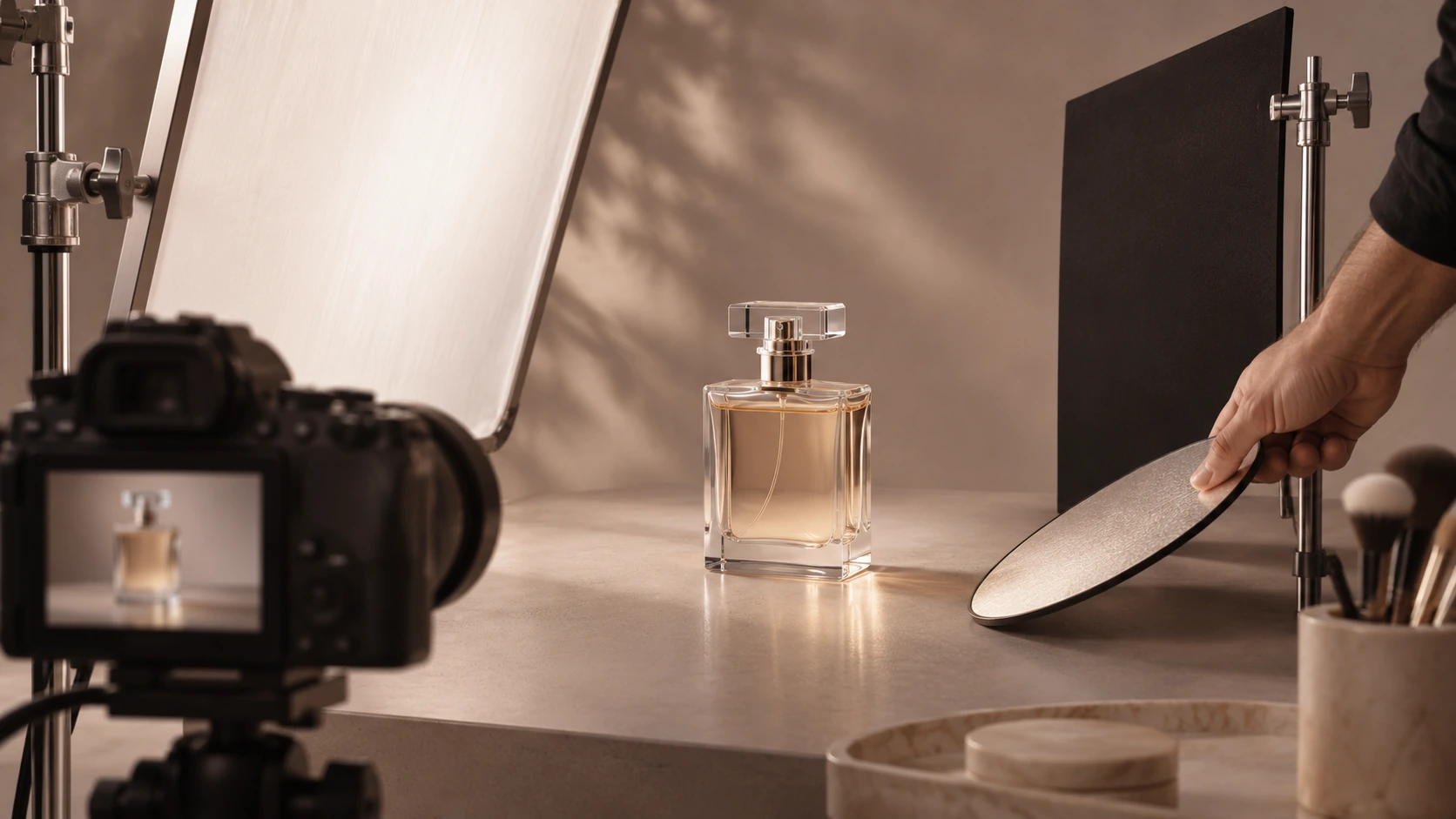
Curved cosmetic bottles often show a bright patch directly over the printed name when the light's position has been chosen for the bottle's silhouette. In Adobe's product-photography advice, diffused lighting reduces harsh shadows and supports readable product detail. Rotate the bottle a little during the test, then assess the lettering and the glass edge in the same view. The approved angle needs both features to remain legible.
Metal caps deserve their own inspection when the campaign requires a close view large enough to expose the surrounding equipment in the metal. Place the camera at the intended angle and examine the cap in the test photograph. White cards can supply a pale area; a dark card offers a darker boundary where the form needs separation. Judge the result against the real cap's shape, especially around rounded shoulders.
Small lettering on a pale label may become difficult to read after the campaign image receives its final crop and compression. Review the actual exported file at the placement's display size. If the product name has become indistinct, revise the crop or arrange a separate identification view. The type can look visibly soft when a distant bottle receives substantial enlargement within the final layout.
Photograph Cosmetic Shades as Physical Samples
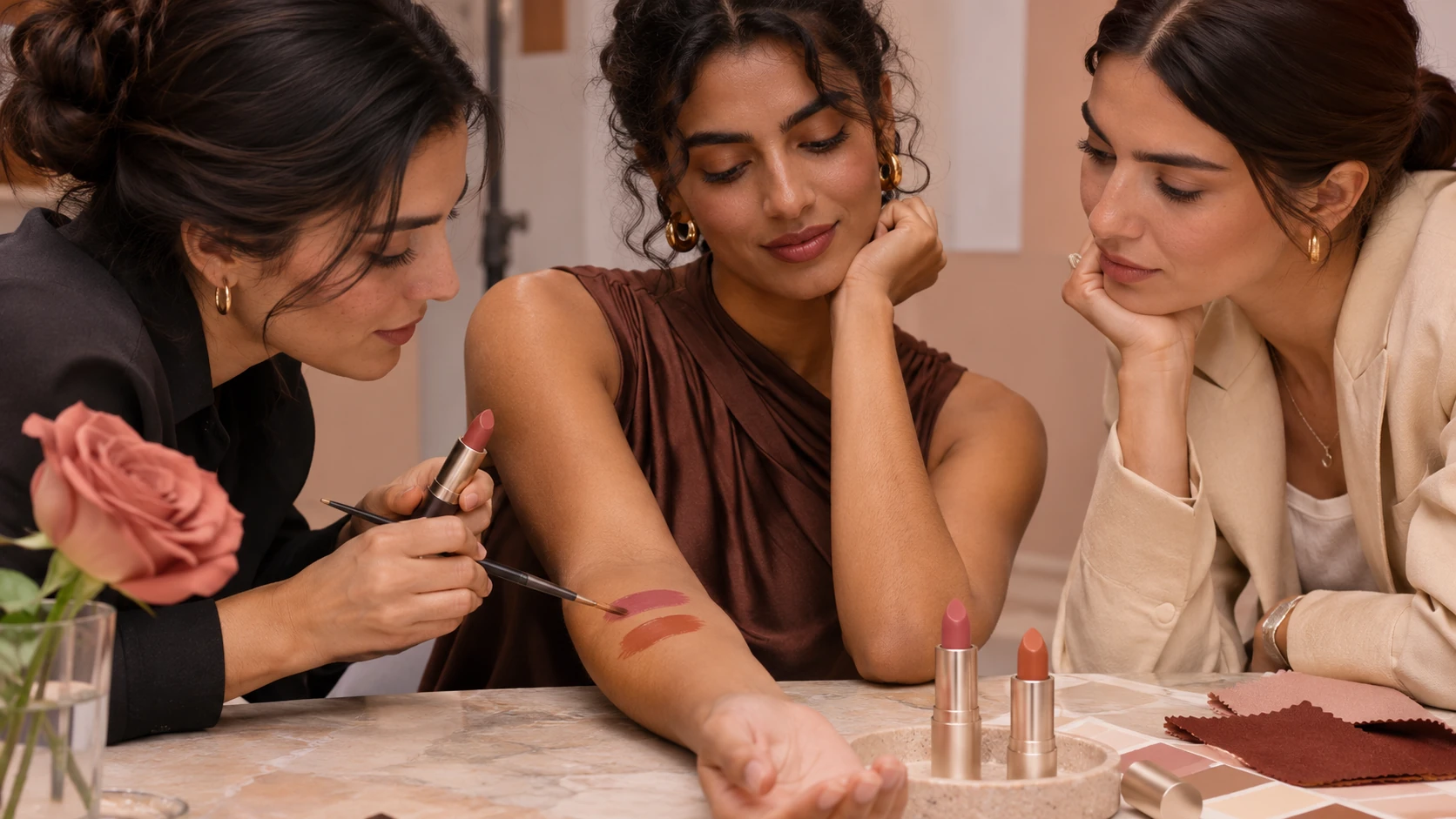
Cosmetic shade photographs need a stated application method when customers will compare the photographed pigment across several available options in the range. Use comparable amounts and a consistent application surface for the comparison set. For a lipstick swatch, identify whether the image depicts one pass or a thicker application. The production record needs enough detail for a later shade to be photographed on the same basis.
Skin changes the visible context around a cosmetic swatch, so cast the photographed application according to the information the campaign needs to communicate. One model provides evidence for that photographed application. Broader shade guidance requires appropriate additional samples or models. Preserve natural skin detail in the approved image, with any retouching discussed against the photograph's specific purpose.
For paired rose and terracotta swatches in an illustrative campaign, the client needs to judge whether the final files preserve the difference visible in the real samples. The general warm treatment could make the two colors appear closer. Keep the campaign's warmth in surrounding materials when an overall adjustment would alter the pigment comparison. Review the swatches together on the agreed display during approval.
Review Color and Retouching against a Reference
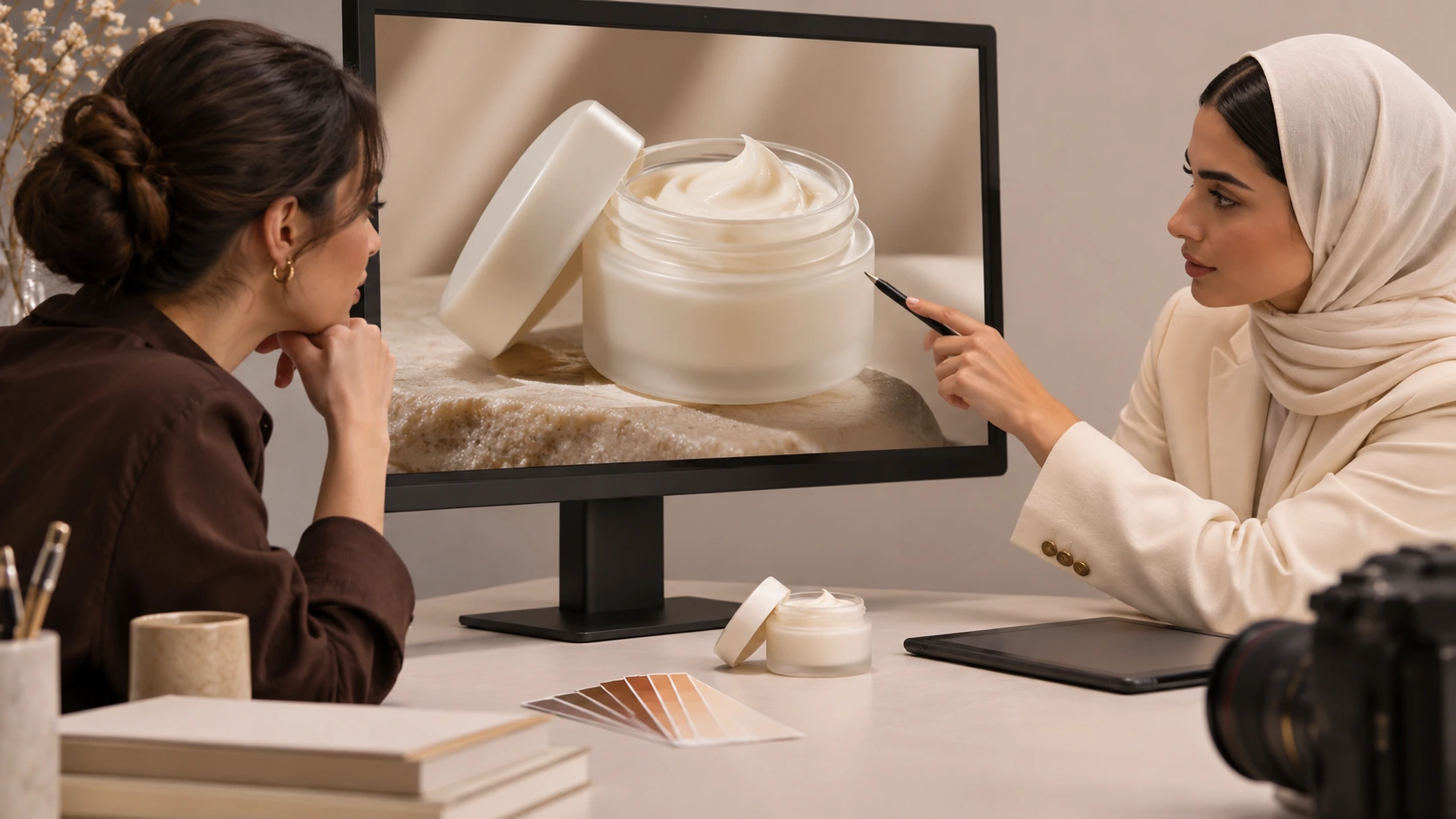
The retoucher needs an agreed photographic reference when the creative treatment includes color adjustments that might alter the product's apparent shade or finish. Adobe's color-management guidance explains how device profiles reconcile differences between displays and other output devices. Agree on the delivery color space with the receiving team. For online photographs, the guidance identifies sRGB as an export option; the actual channel specification determines the required file.
Monitor calibration provides a more reliable basis for the production review, particularly when several people assess cosmetic shades on different screens. Choose the approval display and keep its viewing conditions consistent. Customer screens will retain variations after delivery. State the reference used for approval so the client knows what the review establishes and where reproduction differences remain possible.
Dust removal and formula alteration need separate instructions in a beauty retouching brief when the image shows the product at close range. Remove incidental dust from the packaging while preserving the actual cream texture. If the source photograph contains a bubble that appears in the real formula, ask the product reviewer whether that feature belongs in the approved description. Changes to the material itself require a new discussion with the client.
Prepare a Beauty Photography Commission
Brands preparing a cosmetics shoot can make the initial discussion more useful by supplying actual product samples alongside the intended image placements. Share the existing creative direction with the photographer. Identify the formula photograph that requires the most preparation. For a shade range, provide the actual samples the campaign will depict and explain how buyers will compare them. The producer can then discuss the necessary tests and the appropriate photography scope.
Someone's Studio accepts commercial production inquiries through its project contact page, where a brand can share the proposed cosmetics campaign and its intended release date. Describe the product qualities the audience needs to see alongside the visual character the campaign should retain. The creative proposal can then address the formula's specific behavior, with packaging views planned around the actual commission.